A healthy lifestyle for heart health is one of the most powerful and practical ways to protect yourself from cardiovascular disease. It focuses on simple yet consistent daily habits such as balanced nutrition, regular movement, stress control, and proper sleep. These lifestyle choices directly influence how well your heart functions and how efficiently blood flows throughout the body.
In the UK, heart disease continues to be one of the leading causes of illness and mortality, making prevention more important than ever. A well-planned healthy lifestyle for heart health does not require extreme changes. Instead, it is built through steady improvements that strengthen the heart, improve energy levels, and support long-term wellbeing.
Understanding Heart Health and Cardiovascular Disease
Heart health refers to the proper functioning of the heart and blood vessels, ensuring oxygen and nutrients are delivered efficiently throughout the body. Cardiovascular diseases develop when these systems become blocked or weakened, often due to poor lifestyle habits over time. Conditions such as coronary artery disease, stroke, and heart attacks are commonly linked to these issues.
In the UK, risk factors such as unhealthy diets, physical inactivity, smoking, and chronic stress are widespread. A healthy lifestyle for heart health plays a critical role in reducing these risks by improving circulation, lowering blood pressure, and maintaining balanced cholesterol levels. Understanding these causes helps individuals take proactive steps before serious conditions develop.
What Is a Healthy Lifestyle for Heart Health
A healthy lifestyle is a combination of daily choices that support physical, mental, and emotional wellbeing. It includes eating nutritious foods, staying active, getting enough sleep, and avoiding harmful habits such as smoking or excessive alcohol use. When applied consistently, these habits significantly reduce the strain placed on the heart.
A healthy lifestyle for heart health goes beyond basic wellness—it is a long-term commitment to protecting one of the body’s most vital organs. It includes healthy lifestyle examples such as walking daily, choosing home-cooked meals, staying hydrated, and managing stress effectively. These small but meaningful actions build a strong foundation for lifelong cardiovascular protection.
Healthy Lifestyle Habits for a Strong Heart
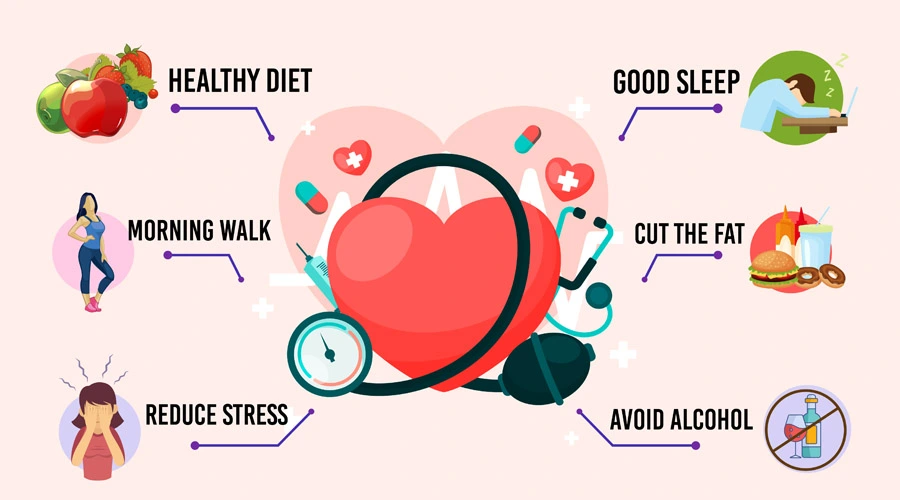
Healthy habits are the foundation of a strong cardiovascular system. Simple daily actions such as taking the stairs, stretching regularly, or reducing screen time can have a powerful cumulative effect. These habits improve blood flow, support metabolism, and help maintain a stable heart rhythm over time.
A healthy lifestyle for heart health requires consistency rather than perfection. Developing routines such as morning walks, mindful eating, and scheduled relaxation time helps the body adapt to healthier patterns. Over time, these habits reduce the risk of heart-related complications and improve both physical stamina and mental clarity.
Heart-Healthy Nutrition and Balanced Eating
Nutrition plays a central role in maintaining a healthy heart. Foods rich in fiber, antioxidants, and healthy fats help reduce inflammation and support proper blood circulation. Fresh fruits, vegetables, whole grains, nuts, and olive oil are especially beneficial for cardiovascular wellness.
A healthy lifestyle for heart health also involves limiting processed foods, excess salt, and refined sugar. These harmful ingredients can increase cholesterol levels and raise blood pressure. A balanced diet not only protects the heart but also improves energy levels, digestion, and overall body function, making it a cornerstone of long-term health.
Exercise and Physical Activity for Heart Strength
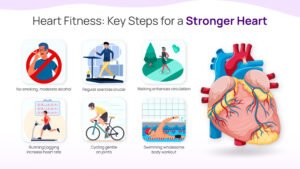
Regular physical activity strengthens the heart muscle and improves oxygen delivery throughout the body. Activities such as walking, cycling, swimming, and light strength training are highly effective in maintaining cardiovascular health. Even moderate exercise performed consistently can lead to significant long-term benefits.
A healthy lifestyle for heart health should include at least 150 minutes of moderate exercise per week. This level of activity helps control weight, reduce stress, and improve circulation. Over time, exercise enhances endurance and lowers the risk of developing chronic heart conditions, making it essential for preventive care.
Stress Management and Emotional Well-being
Stress has a direct impact on heart health by increasing blood pressure and encouraging unhealthy coping behaviors such as overeating or inactivity. Chronic stress can gradually weaken cardiovascular function if not properly managed. Therefore, emotional balance is an essential part of heart care.
A healthy lifestyle for heart health includes stress-reducing activities such as meditation, deep breathing exercises, yoga, and spending time in nature. These practices help calm the nervous system, improve focus, and restore emotional stability. Managing stress effectively ensures the heart remains strong and resilient under pressure.
Creating a Sustainable Heart-Healthy Lifestyle Plan
A structured lifestyle plan helps individuals maintain consistency and avoid falling back into unhealthy habits. It involves setting realistic goals, planning meals, scheduling workouts, and prioritizing rest. A well-organized plan makes healthy living more manageable and less overwhelming.
A healthy lifestyle for heart health becomes more effective when it is personalized and adaptable. Tracking progress, making small adjustments, and celebrating improvements help maintain motivation. Over time, this structured approach builds discipline and ensures long-term cardiovascular protection.
Benefits of a Heart-Healthy Lifestyle
The benefits of maintaining a healthy lifestyle extend far beyond heart protection. Individuals often experience improved energy levels, better sleep quality, enhanced mental clarity, and stronger immunity. These benefits contribute to an overall improvement in quality of life.
A healthy lifestyle for heart health significantly reduces the risk of heart disease, stroke, and high blood pressure. It also supports healthy aging and increases life expectancy. By maintaining consistent habits, individuals can enjoy both immediate and long-term health improvements that positively impact daily living.
How to Start a Healthy Lifestyle for Heart Health
Starting a healthy lifestyle does not require drastic changes. Small steps such as drinking more water, reducing processed foods, or adding short walks into daily routines can make a meaningful difference. The key is to begin with manageable goals that can be maintained consistently.
A healthy lifestyle for heart health is best developed gradually. As habits become routine, additional improvements can be introduced. This slow and steady approach helps prevent burnout and ensures long-term success in building a heart-friendly lifestyle.
Healthy Lifestyle Choices for Everyday Living
Everyday choices play a major role in determining heart health outcomes. Selecting fresh foods over processed meals, staying physically active, and maintaining a balanced routine all contribute to better cardiovascular performance. These choices shape long-term health in powerful ways.
A healthy lifestyle for heart health is built through awareness and consistency in daily decisions. Whether at home, work, or social settings, making mindful choices ensures that the heart remains protected. Over time, these small decisions create a strong foundation for lasting wellness.
Conclusion
A healthy lifestyle for heart health is one of the most effective strategies for preventing cardiovascular disease and improving overall well-being. It combines nutrition, exercise, stress management, and consistent habits into a simple yet powerful approach to long-term health.
By adopting a healthy lifestyle for heart health, individuals in the UK and beyond can significantly reduce their risk of heart-related conditions. More importantly, they can enjoy a stronger, more energetic, and healthier life built on sustainable and positive daily habits.
You may also read: Heart Disease Prevention Tips