Heart disease remains one of the most serious global health challenges, affecting people across all age groups and lifestyles. It includes conditions such as coronary heart disease, ischemic heart disease, and hypertensive heart disease, all of which reduce the heart’s ability to function properly. Modern research shows that a large percentage of cases are linked to preventable lifestyle factors, making awareness and early action extremely important for long-term health and survival.
The importance of heart disease prevention tips: simple steps to reduce risk and improve heart health cannot be overstated, as small daily habits can significantly influence cardiovascular wellness. When individuals understand how diet, exercise, stress, and medical monitoring work together, they can build a strong foundation for a healthier heart. Prevention is not just about avoiding disease but improving overall quality of life and energy levels.
What Causes Heart Disease
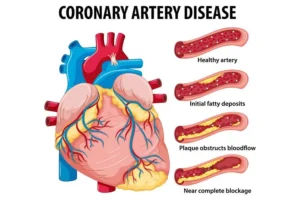
Heart disease develops gradually due to a combination of unhealthy habits and biological factors. The most common causes include poor diet, lack of physical activity, smoking, excessive alcohol consumption, and chronic conditions like high blood pressure or diabetes. Over time, these factors damage blood vessels, restrict blood flow, and increase the risk of plaque buildup in arteries, leading to serious cardiovascular conditions.
Genetics also plays a role in some cases, especially in congenital heart disease or individuals with a family history of heart problems. Stress, poor sleep, and unhealthy coping mechanisms further increase the risk. Understanding these causes is essential because applying heart disease prevention tips: simple steps to reduce risk and improve heart health early in life can significantly reduce the chances of developing severe complications later.
Early Signs and Symptoms
Recognizing early signs of heart disease is crucial for timely treatment and prevention of complications. Common symptoms include chest discomfort, shortness of breath, fatigue, dizziness, and irregular heartbeat. These symptoms may appear gradually and are often ignored until the condition becomes more severe, which is why awareness plays a critical role in prevention and health management.
Women may experience different or less obvious symptoms such as nausea, back pain, or extreme tiredness instead of classic chest pain. Conditions like coronary heart disease symptoms or ischemic heart disease symptoms can sometimes develop silently without clear warning signs. This makes regular health checkups essential, along with applying heart disease prevention tips: simple steps to reduce risk and improve heart health to detect and manage risks early.
Heart Disease Prevention Tips
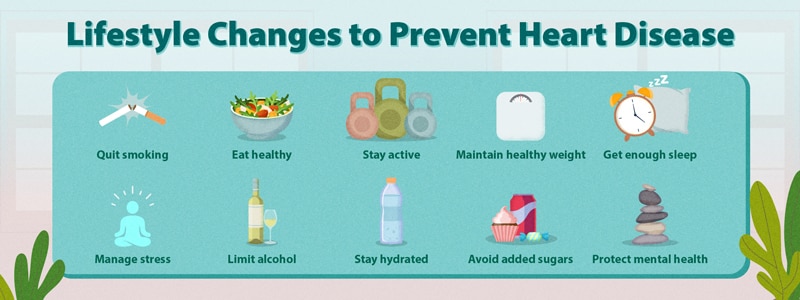
Preventing heart disease requires consistent lifestyle changes rather than temporary efforts. A heart-healthy diet rich in fruits, vegetables, whole grains, lean proteins, and healthy fats helps maintain proper blood flow and reduce cholesterol levels. Avoiding processed foods, excess sugar, and high sodium intake is equally important for protecting cardiovascular health and reducing strain on the heart.
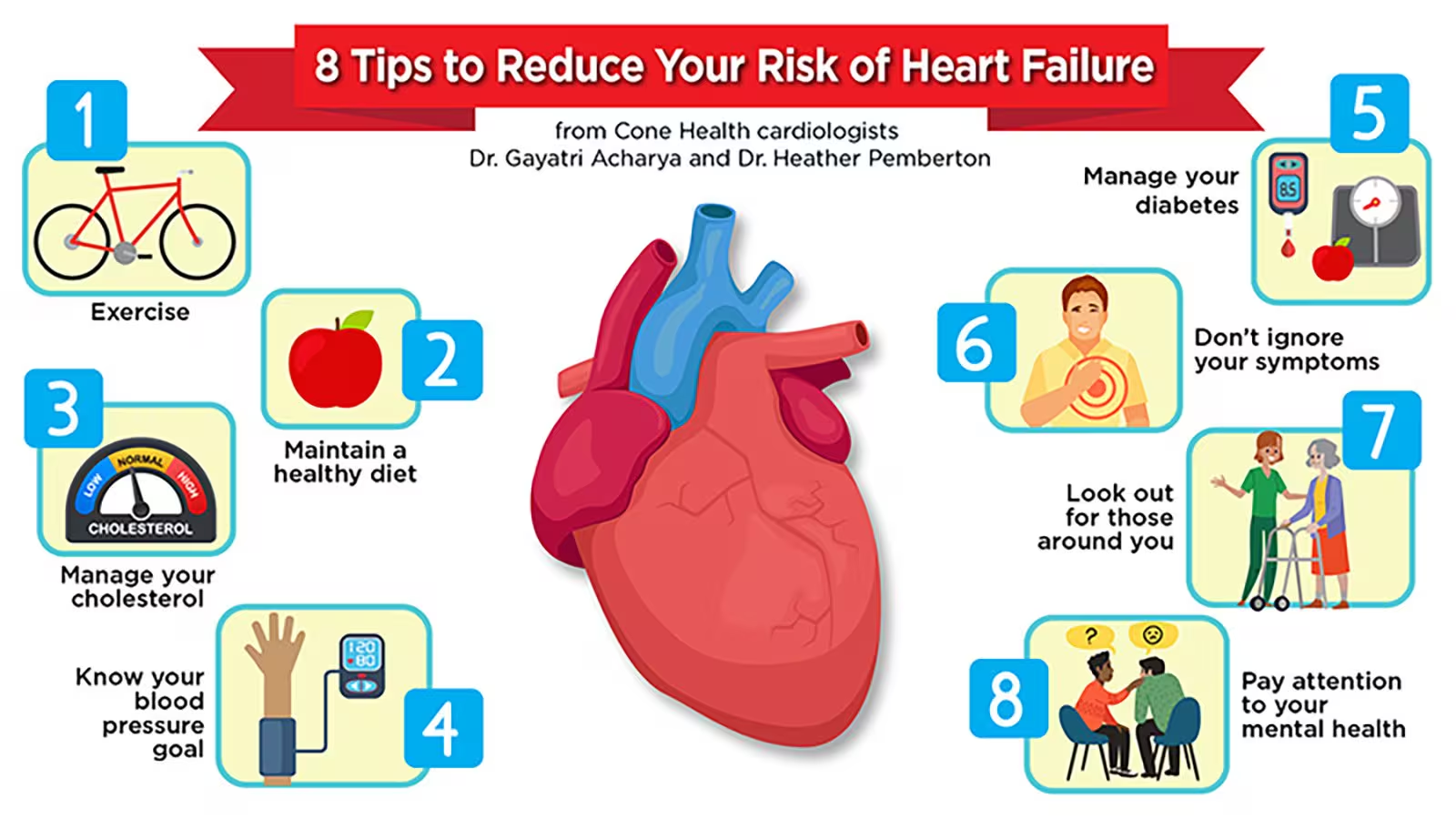
Regular physical activity is another key factor in prevention. Activities like walking, swimming, or cycling strengthen the heart muscle and improve circulation. When combined with quitting smoking, managing stress, and maintaining a healthy weight, these habits form the foundation of heart disease prevention tips: simple steps to reduce risk and improve heart health, helping individuals significantly lower their long-term risk of developing heart-related conditions.
Heart Disease Treatment and Management
Heart disease treatment varies depending on severity and type. In early stages, doctors often recommend lifestyle modifications along with medications to control blood pressure, cholesterol, and heart rhythm. These treatments aim to reduce symptoms and prevent the condition from worsening over time. Regular monitoring is essential to ensure effective management and early detection of complications.
In more advanced cases, medical procedures such as angioplasty or bypass surgery may be necessary to restore proper blood flow. However, even after treatment, long-term care is important to prevent recurrence. Following heart disease prevention tips: simple steps to reduce risk and improve heart health after diagnosis can help patients maintain stability and improve their overall quality of life.
High-Risk Groups and Prevention
Certain individuals are more vulnerable to developing heart disease, including those with diabetes, high blood pressure, obesity, or a family history of cardiovascular conditions. These groups require more focused attention and regular medical checkups to monitor their heart health effectively. Early prevention strategies are especially important for reducing complications in these high-risk populations.
Women, older adults, and individuals with existing conditions like valvular heart disease or rheumatic heart disease must take extra precautions. For them, adopting heart disease prevention tips: simple steps to reduce risk and improve heart health is not optional but essential. Proper lifestyle management, combined with medical supervision, can significantly lower the chances of severe heart-related events.
Long-Term Heart Health Lifestyle Plan
A long-term heart health plan focuses on consistency and balance in daily life. Eating nutritious meals, exercising regularly, staying hydrated, and getting enough sleep all contribute to maintaining a strong cardiovascular system. Even small daily improvements, such as walking after meals or reducing processed food intake, can create lasting positive effects on heart health.
Stress management is another critical component of long-term prevention. Practices like meditation, yoga, and deep breathing help regulate blood pressure and improve emotional well-being. Following heart disease prevention tips: simple steps to reduce risk and improve heart health consistently ensures that individuals build sustainable habits that protect the heart for years to come.
Conclusion
Heart disease is a serious but largely preventable condition when individuals take proactive steps early. Understanding the causes, recognizing symptoms, and adopting healthier habits can significantly reduce risks and improve long-term well-being. Prevention is always more effective than treatment, especially when it comes to cardiovascular health.
By consistently applying heart disease prevention tips: simple steps to reduce risk and improve heart health, individuals can protect their hearts, enhance their energy levels, and improve overall quality of life. Small, daily choices build a strong foundation for lifelong heart health and reduce the chances of serious complications in the future.
You may also read: Heart Friendly Foods to Avoid and Limit