The heart friendly foods list is an essential guide for anyone looking to improve cardiovascular health through simple and sustainable dietary changes. In today’s modern lifestyle, heart-related diseases are among the leading health concerns worldwide, often linked to poor eating habits, processed foods, and lack of balanced nutrition. This guide helps individuals understand how everyday food choices can directly impact heart performance, cholesterol levels, and long-term wellbeing.
At its core, the heart friendly foods list is not about strict dieting or temporary restrictions. Instead, it focuses on building a long-term healthy relationship with food. By choosing natural, nutrient-rich ingredients, individuals can support heart function while still enjoying flavorful meals. This approach encourages balance, variety, and consistency, making heart health achievable for people of all ages and lifestyles.
Understanding a Heart Healthy Diet
A heart healthy diet is designed to support cardiovascular function by reducing harmful fats, excess sodium, and processed ingredients while increasing fiber-rich and nutrient-dense foods. The heart friendly foods list plays a central role in this approach, offering a structured way to identify foods that protect arteries, improve circulation, and reduce inflammation naturally.
Unlike restrictive diets, a heart healthy eating pattern is flexible and sustainable. It encourages gradual improvements such as replacing refined grains with whole grains, using healthier oils, and increasing fruit and vegetable intake. Over time, these small adjustments contribute to lower cholesterol levels, improved blood pressure, and better overall energy. The goal is not perfection but consistent progress toward a healthier heart lifestyle.
Complete Heart Friendly Foods List for Daily Nutrition
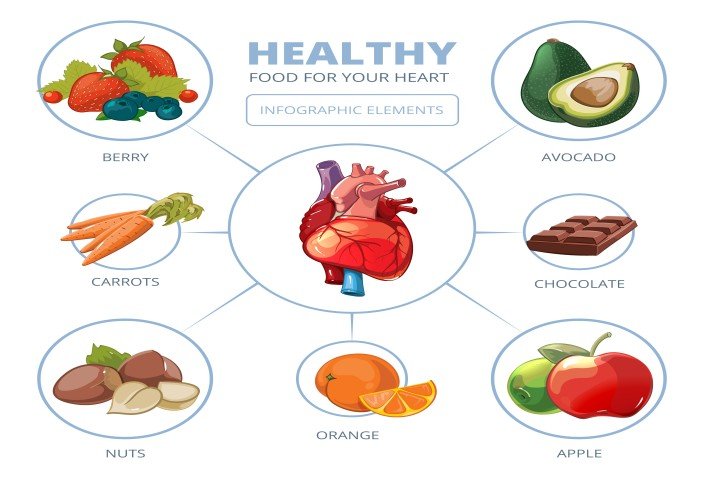
The heart friendly foods list includes a wide variety of natural foods that support cardiovascular health. Fruits and vegetables are at the foundation, providing antioxidants, vitamins, and fiber that help reduce inflammation and protect blood vessels. Leafy greens, berries, citrus fruits, and cruciferous vegetables are especially beneficial for maintaining heart strength and reducing disease risk.
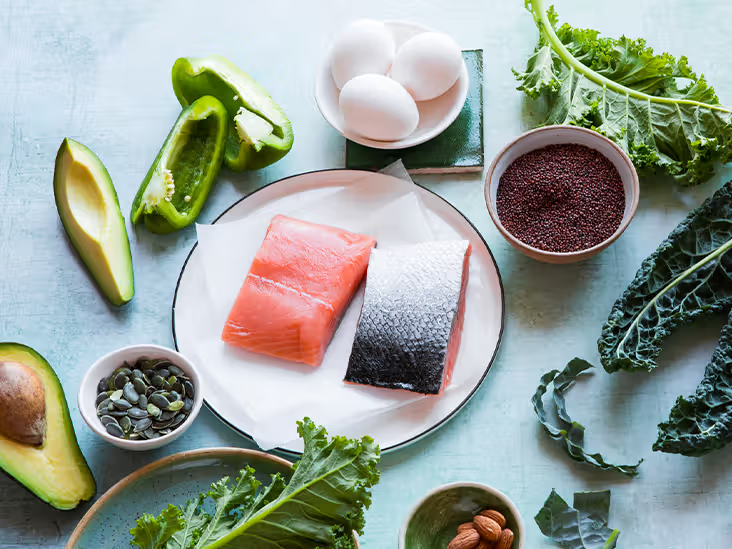
Whole grains, lean proteins, nuts, and seeds also play a major role in heart health. Foods like oats, quinoa, salmon, lentils, almonds, and chia seeds provide essential nutrients and healthy fats that support cholesterol balance. Including these foods regularly ensures the body receives steady nourishment while maintaining energy levels and improving heart function naturally.
Heart Friendly Foods to Avoid and Limit
While building a heart friendly foods list, it is equally important to understand which foods should be limited or avoided. Processed foods, sugary snacks, and trans fats are among the biggest contributors to heart disease. These foods increase bad cholesterol levels, promote inflammation, and negatively affect blood pressure when consumed regularly.
High-sodium foods, fast food meals, and processed meats should also be minimized. Even foods that appear convenient or tasty may contain hidden unhealthy ingredients. Reducing these items and replacing them with fresh, whole foods is a crucial step in maintaining a heart healthy lifestyle and improving long-term cardiovascular outcomes.
Heart Friendly Meals and Recipe Ideas
Creating balanced meals using the heart friendly foods list can make healthy eating both enjoyable and sustainable. Breakfast options such as oatmeal topped with berries, whole grain toast with avocado, or fruit smoothies provide a strong nutritional start to the day while supporting heart function and energy balance.
Lunch and dinner meals can include grilled fish, vegetable stir-fries, lentil soups, or quinoa salads. These meals are rich in fiber, protein, and healthy fats, making them ideal for maintaining heart health. Snacks like nuts, yogurt, or fresh fruits also help control hunger while keeping nutrition balanced throughout the day.
Heart Friendly Diet Plan for Everyday Life
A structured diet plan helps individuals consistently follow the heart friendly foods list without confusion. A typical daily plan includes nutrient-rich breakfasts, balanced lunches, light dinners, and healthy snacks. This structure ensures the body receives essential nutrients at regular intervals while avoiding overeating or unhealthy cravings.
Meal planning also plays an important role in maintaining consistency. Preparing meals in advance, choosing whole ingredients, and controlling portion sizes can significantly improve dietary habits. Over time, following a heart friendly diet plan becomes a natural lifestyle choice rather than a forced routine, making it easier to maintain long-term heart health.
Heart Friendly Cooking Tips and Healthy Alternatives
Cooking methods have a major impact on heart health, and using the right techniques can enhance the benefits of the heart friendly foods list. Steaming, baking, boiling, and grilling are far healthier alternatives to frying, as they preserve nutrients while reducing unhealthy fat intake.
Replacing unhealthy ingredients with better alternatives also improves heart outcomes. For example, using olive oil instead of butter, herbs instead of salt, and fresh spices instead of processed sauces can significantly reduce cardiovascular risk. These small changes make meals both healthier and more flavorful without sacrificing taste or satisfaction.
Benefits of Following a Heart Friendly Diet
Following a consistent heart friendly foods list offers numerous health benefits beyond just heart protection. One of the most significant advantages is improved cholesterol levels, which helps reduce the risk of artery blockage and heart disease. Additionally, better blood pressure control contributes to overall cardiovascular stability and long-term wellness.
Other benefits include increased energy levels, better weight management, and improved digestion. A heart healthy diet also supports mental clarity and reduces fatigue. Over time, these improvements lead to a higher quality of life, making the heart friendly approach one of the most effective long-term health strategies.
Conclusion: Building a Sustainable Heart Healthy Lifestyle
The heart friendly foods list is more than just a dietary guide; it is a foundation for a healthier and more balanced lifestyle. By focusing on natural, nutrient-rich foods and avoiding harmful ingredients, individuals can significantly improve their heart health and reduce the risk of chronic diseases over time.
Sustainability is key to success. Instead of short-term dieting, adopting long-term habits ensures lasting benefits. With consistent choices, mindful eating, and simple cooking practices, anyone can build a heart healthy lifestyle that supports both physical wellbeing and overall quality of life for years to come.
You may also read: Foods to Eat in a Low Sodium Diet Plan