Introduction: Why Daily Habits Matter for a Healthy Heart
Building a strong cardiovascular system is not achieved through occasional efforts but through consistent lifestyle choices. Daily routines directly influence how efficiently the heart pumps blood, regulates pressure, and supplies oxygen to the body. When individuals follow structured and mindful routines, the risk of heart disease, fatigue, and long-term complications decreases significantly, making prevention far more effective than treatment.
Experts consistently emphasize that daily habits for healthy heart are the foundation of lifelong wellness. Simple practices such as eating balanced meals, staying physically active, and managing stress create a protective effect on the cardiovascular system. Over time, these habits improve circulation, strengthen heart muscles, and support overall physical and mental health without requiring extreme lifestyle changes.
Understanding Heart Health and Its Core Indicators
Heart health refers to the ability of the cardiovascular system to function efficiently without strain or irregularity. A healthy heart maintains stable rhythm, optimal blood flow, and balanced oxygen delivery throughout the body. Understanding these basics helps individuals recognize early warning signs and take preventive action before serious health issues develop.
One of the most important indicators of heart function is heart rate. A healthy heart rate typically falls between 60 and 100 beats per minute at rest, although fitness levels, age, and emotional state can influence it. Monitoring these patterns regularly allows individuals to understand their cardiovascular condition and make informed lifestyle decisions that support long-term heart efficiency.
Healthy Heart Rate and What It Really Means
A healthy heart rate reflects how efficiently the heart is working under different conditions. At rest, a lower heart rate often indicates better cardiovascular fitness, while higher rates may suggest stress, poor conditioning, or underlying health issues. Understanding these patterns helps individuals maintain better control over their heart health and respond to changes early.
The healthy heart rate range varies from person to person, especially when considering age and physical activity levels. Athletes may naturally have lower resting heart rates due to stronger heart muscles, while others may fall within the standard range. Tracking heart rate over time provides valuable insight into fitness improvements and potential health risks.
Healthy Heart Diet for Long-Term Cardiovascular Wellness
Nutrition plays a central role in maintaining a strong and efficient heart. A balanced diet rich in vitamins, minerals, and antioxidants helps reduce cholesterol buildup and supports smooth blood circulation. A healthy heart diet focuses on whole foods while minimizing processed ingredients that can increase inflammation and cardiovascular strain.
Eating patterns that support heart health include fruits, vegetables, whole grains, nuts, and lean proteins. These foods provide essential nutrients that strengthen blood vessels and regulate blood pressure. Consistent healthy eating is one of the most effective daily habits for healthy heart, offering long-term protection against chronic heart conditions.
Best Foods and Recipes for a Healthy Heart
Choosing the right foods is essential for maintaining cardiovascular strength. Nutrient-rich options such as salmon, oats, spinach, berries, and walnuts are widely recognized as excellent food for healthy heart choices. These ingredients support cholesterol control, improve circulation, and provide essential fatty acids that protect the heart muscle.
Simple meal preparation also plays an important role. Healthy cooking methods such as grilling, steaming, or baking help preserve nutrients without adding unhealthy fats. Incorporating healthy heart recipes into daily meals makes it easier to maintain consistency, ensuring that heart-friendly nutrition becomes a natural part of everyday life.
Daily Habits for a Strong and Healthy Heart
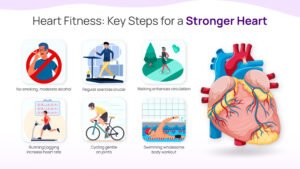
Consistent physical activity is one of the most powerful ways to improve heart health. Activities such as walking, cycling, swimming, or even light stretching help strengthen the heart muscle and improve oxygen flow throughout the body. These actions are essential components of daily habits for healthy heart, especially when practiced regularly.
Equally important are sleep and stress management. Poor sleep quality and chronic stress can increase blood pressure and strain the heart over time. Incorporating relaxation techniques such as meditation, breathing exercises, or mindful breaks helps stabilize heart function and supports emotional balance, contributing to overall cardiovascular well-being.
Preventive Care and Regular Heart Health Monitoring
Preventive care is a key factor in maintaining long-term heart health. Regular screenings such as blood pressure checks, cholesterol tests, and heart rhythm assessments help detect early signs of cardiovascular issues. A healthy heart check ensures that individuals stay aware of their heart condition and can take timely action if needed.
Modern health services and digital tools have made monitoring more accessible. Programs like pocdoc healthy heart check provide convenient ways to track essential heart indicators. Regular monitoring not only helps identify risks early but also encourages individuals to stay consistent with their health routines and lifestyle improvements.
Lifestyle Choices That Support Long-Term Heart Strength
Sustainable lifestyle habits are essential for maintaining cardiovascular health over time. A combination of balanced nutrition, physical activity, and stress control creates a strong foundation for heart wellness. These daily habits for healthy heart are not temporary solutions but long-term commitments that gradually improve overall well-being.
Avoiding harmful behaviors such as smoking and excessive alcohol consumption is equally important. These habits damage blood vessels and reduce heart efficiency over time. Replacing them with healthier routines improves circulation, supports oxygen flow, and significantly reduces the risk of chronic heart disease.
Healthy Heart Meal Planning and Practical Eating Tips
Meal planning helps individuals maintain consistency in their dietary habits. Preparing balanced meals in advance ensures that healthy choices are easier to follow even during busy schedules. A well-structured eating plan is one of the most effective ways to maintain a healthy heart diet without unnecessary stress or confusion.
Incorporating simple and practical healthy heart recipes into weekly menus makes heart-friendly eating more enjoyable. Meals based on vegetables, whole grains, and lean proteins provide long-lasting energy and reduce reliance on processed foods. This approach supports both physical health and long-term cardiovascular stability.
Common Mistakes That Affect Heart Health Negatively
One of the most common mistakes is ignoring early signs such as irregular heart rate, fatigue, or chest discomfort. Many individuals delay lifestyle changes until symptoms become more serious, which increases the risk of long-term complications. Awareness and early action are essential for effective prevention.
Another major issue is inconsistency in maintaining healthy routines. Without structured daily habits for healthy heart, such as regular exercise and balanced eating, the cardiovascular system becomes more vulnerable to stress and lifestyle-related diseases. Consistency is the key factor that determines long-term heart health success.
Conclusion: Building a Heart-Healthy Lifestyle That Lasts
Creating a strong heart is not about drastic changes but about consistent and mindful living. When individuals adopt daily habits for healthy heart, such as proper nutrition, regular exercise, and stress management, they significantly improve their quality of life and reduce the risk of cardiovascular disease.
The most important factor is sustainability. Small but consistent improvements build a strong foundation for lifelong heart health. Over time, these habits become part of daily life, leading to better energy levels, improved mental clarity, and a healthier, more resilient cardiovascular system.
You may also read: Heart-Healthy Lifestyle and Natural Prevention Methods