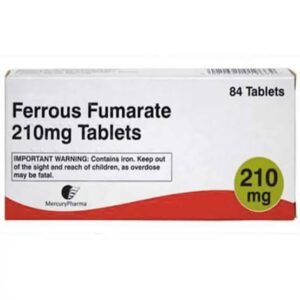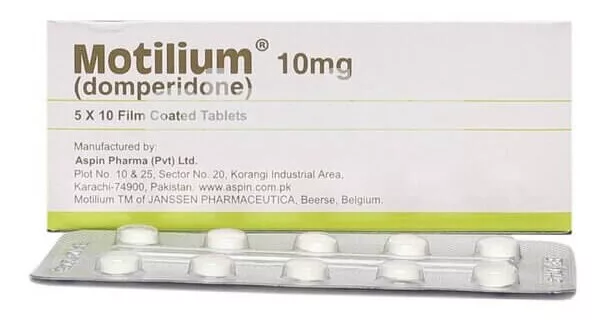
Nausea is a common symptom that can affect people of all ages and may occur for many different reasons. It is often described as an uneasy feeling in the stomach that creates the urge to vomit. While nausea is not usually a condition on its own, it often signals an underlying issue such as motion sickness, pregnancy, viral infections, digestive disorders, medication side effects, or anxiety. Understanding the cause of nausea is the first step toward finding effective relief and preventing symptoms from returning.
Vomiting frequently accompanies nausea, although some individuals may experience nausea without actually being sick. Symptoms can range from mild discomfort to severe episodes that interfere with daily activities. In many cases, anti sickness tablets can help manage symptoms and improve comfort. However, identifying the reason behind the sickness remains important because treatment options can vary significantly depending on the underlying cause.
What Are Anti Sickness Tablets?
Anti sickness tablets are medications designed to prevent or reduce feelings of nausea and vomiting. These medicines work in different ways depending on their active ingredients. Some act on the brain’s vomiting center, while others target the digestive system or the balance mechanisms found in the inner ear. Because nausea can develop from many different conditions, there is no single treatment that works for every situation.
Many people rely on anti sickness tablets when traveling, recovering from illness, experiencing motion sickness, or dealing with nausea related to pregnancy or medical treatments. Some products are available over the counter, while others require a prescription from a healthcare professional. Choosing the correct medication can make a significant difference in symptom control and overall comfort, especially when symptoms occur frequently or interfere with everyday life.
Common Causes of Nausea and Vomiting
Motion sickness is among the most common causes of nausea and vomiting. It occurs when the brain receives conflicting information from the eyes, muscles, and inner ear. This sensory mismatch often develops during travel by car, plane, train, or boat. Many individuals also experience dizziness, sweating, headaches, and fatigue alongside nausea when exposed to repeated movement.
Other common causes include viral infections, food poisoning, digestive disorders, migraines, anxiety, and medication side effects. Morning sickness during pregnancy is another well-known trigger that affects many women during the first trimester. Additionally, altitude sickness can cause nausea when people travel to high elevations too quickly. Understanding the source of symptoms helps ensure that the most suitable treatment and prevention strategies are selected.
Anti Sickness Tablets for Travel and Motion Sickness

Travel-related nausea can turn an enjoyable journey into an uncomfortable experience. Fortunately, various travel sickness tablets are available to help prevent symptoms before they begin. Many of these medications contain antihistamines that reduce the brain’s response to motion signals. Taking the medication before travel is often more effective than waiting until symptoms appear.
Motion sickness tablets are particularly useful for individuals who frequently travel by car, airplane, ferry, or cruise ship. In addition to medication, practical measures such as sitting in a stable position, focusing on the horizon, avoiding heavy meals before travel, and ensuring good ventilation can help reduce symptoms. Combining preventive habits with appropriate medication often provides the best protection against motion-related nausea.
Sea Sickness and Effective Prevention
Sea sickness is a specific type of motion sickness triggered by the movement of waves and changing sea conditions. Even people who do not usually experience travel sickness may become nauseated during long boat journeys or rough weather conditions. Symptoms can include dizziness, sweating, headaches, fatigue, and vomiting, all of which can affect the enjoyment of a trip.
Sea sickness tablets are commonly used by travelers before boarding boats or cruise ships. These medications can help reduce sensitivity to motion and minimize nausea. Staying on deck where fresh air is available, looking toward the horizon, and avoiding excessive alcohol consumption can also reduce the likelihood of symptoms. Early prevention is generally more effective than attempting to manage severe sickness once it has developed.
Morning Sickness During Pregnancy
Morning sickness is one of the most frequently discussed pregnancy symptoms and affects a large percentage of expectant mothers. Despite its name, it can occur at any time during the day or night. Symptoms often include nausea, food aversions, increased sensitivity to smells, and occasional vomiting. The severity of symptoms varies widely from one pregnancy to another.
Many women wonder when does morning sickness start. In most cases, symptoms begin between the fourth and sixth week of pregnancy and may continue through the first trimester. While mild cases can often be managed through dietary changes and hydration, some women require additional support. Healthcare professionals may recommend carefully selected anti sickness medication when symptoms significantly affect nutrition, hydration, or overall well-being.
Anti Sickness Medication for Altitude Sickness
Altitude sickness develops when the body has difficulty adapting to reduced oxygen levels at higher elevations. Travelers visiting mountainous regions often experience symptoms such as headaches, nausea, dizziness, fatigue, and shortness of breath. These symptoms may appear within hours of reaching a high altitude, particularly when ascent occurs too rapidly.
Anti sickness medication can help manage nausea associated with altitude sickness, but prevention remains the most effective strategy. Gradual ascent, proper hydration, adequate rest, and allowing the body time to acclimatize are essential steps. Individuals planning high-altitude activities should learn about altitude sickness in advance and seek medical advice if they have underlying health conditions or previous altitude-related problems.
Over-the-Counter Anti Sickness Tablets
Many anti sickness tablets over the counter are available without a prescription, making them a convenient option for short-term symptom relief. These products are commonly used for travel sickness, mild nausea, and occasional vomiting. Their accessibility allows individuals to obtain treatment quickly when symptoms occur unexpectedly.
Although over-the-counter medications are widely used, they should still be taken responsibly. Reading the product label, following dosage instructions, and understanding potential side effects are important steps. Some medications may cause drowsiness, making them unsuitable before driving or operating machinery. Consulting a healthcare professional is advisable for individuals with chronic health conditions or those taking multiple medications.
Travel Sickness Bands and Natural Remedies
Not everyone prefers medication as a first option for managing nausea. Travel sickness bands are popular non-drug alternatives that apply gentle pressure to specific points on the wrist. Many users report reduced nausea during travel, particularly when the bands are worn before symptoms begin. While results can vary, these products remain a widely used option for individuals seeking drug-free support.
Natural remedies may also help reduce mild nausea. Ginger is one of the most researched natural options and is frequently used to manage travel sickness and pregnancy-related nausea. Peppermint, hydration, small frequent meals, and avoiding strong odors may also provide relief. Although natural approaches may not replace medication in severe cases, they can complement other treatments and support overall comfort.
Sickness Bugs and Gastrointestinal Infections
A sickness bug is typically caused by a viral infection that affects the digestive system. Common symptoms include nausea, vomiting, diarrhoea, stomach cramps, fever, and fatigue. These infections can spread rapidly through close contact with infected individuals, contaminated food, or unclean surfaces, making proper hygiene an essential preventive measure.
Many people ask how long does it take to catch a sickness bug off someone. The answer depends on the virus involved, but symptoms often develop within one to two days after exposure. During illness, staying hydrated is extremely important because vomiting and diarrhoea can quickly lead to fluid loss. Most cases improve within a few days, although medical advice may be necessary if symptoms become severe or prolonged.
Managing Sickness and Diarrhoea Safely
Sickness and diarrhoea frequently occur together during gastrointestinal infections. While symptoms are often temporary, they can result in dehydration if fluids are not replaced adequately. Drinking water, oral rehydration solutions, and other suitable fluids can help restore electrolyte balance and support recovery.
Anti sickness tablets may provide relief from nausea, but they should not replace appropriate hydration and rest. Individuals experiencing persistent diarrhoea, severe abdominal pain, high fever, or signs of dehydration should seek medical attention. Prompt treatment can reduce the risk of complications and support a faster recovery, particularly in children, older adults, and vulnerable individuals.
Side Effects and Safety Considerations
Like all medications, anti sickness tablets can cause side effects. The most commonly reported effects include drowsiness, dry mouth, constipation, and blurred vision. The likelihood and severity of side effects vary depending on the specific medication, dosage, and individual response. Understanding these risks helps users make informed decisions when choosing a treatment.
Certain groups should exercise additional caution when using anti sickness medication. Pregnant women, older adults, children, and people with existing medical conditions may require special consideration. Reading product information carefully and seeking professional guidance when necessary can help ensure safe and effective use while minimizing unwanted side effects.
When to Seek Medical Advice
Most episodes of nausea and vomiting improve with time, rest, hydration, and appropriate treatment. However, medical evaluation is important when symptoms become severe, occur repeatedly, or last longer than expected. Persistent nausea may indicate an underlying condition that requires professional diagnosis and management.
Immediate medical attention should be sought if nausea is accompanied by severe dehydration, chest pain, confusion, blood in vomit, significant abdominal pain, or a high fever. Early assessment can help identify serious causes and ensure that appropriate treatment is provided before complications develop.
Conclusion
Anti sickness tablets remain one of the most effective tools for managing nausea and vomiting caused by travel sickness, motion sickness, pregnancy, altitude changes, viral infections, and other common triggers. Understanding the cause of symptoms allows individuals to choose the most appropriate treatment while reducing the likelihood of recurring episodes.
Whether using prescription medication, over-the-counter treatments, travel sickness bands, or natural remedies, successful symptom management often involves a combination of prevention and treatment. By following appropriate guidance and seeking medical advice when necessary, most people can find effective relief and maintain their comfort during everyday activities and travel.
You may also read: Savings Options for Existing Customers