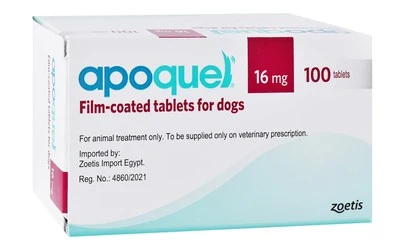
Introduction to Apoquel for Dogs
Living with a pet that constantly scratches, chews, or bites their skin can be heartbreaking for any owner. Persistent allergic itching disrupts your dog’s daily routines, impacts their sleep, and leaves their sensitive skin raw, inflamed, and vulnerable to secondary infections. Thankfully, targeted modern veterinary medicine provides rapid, dependable relief for pets struggling with severe environmental allergies, seasonal flare-ups, and chronic skin conditions.
Apoquel for dogs is a specialized prescription medication designed to stop allergic itching right at the cellular source. As a selective Janus kinase (JAK) inhibitor, it works by blocking specific cellular pathways responsible for sending itch signals directly to your pet’s brain. Unlike broad-spectrum treatments, this targeted approach delivers quick comfort without relying on traditional steroids, allowing dogs to regain their daily vitality and happiness faster.
One of the primary benefits of Apoquel for dogs is its remarkably fast onset of action. Clinical studies demonstrate that noticeability in itch reduction begins within just four hours of taking the initial tablet, offering robust control within the first twenty-four hours. This quick response provides your canine companion with immediate ease while effectively breaking the frustrating cycle of continuous scratching and self-inflicted skin damage.
In this comprehensive guide, we will explore everything pet parents need to know about this popular treatment option. We will cover primary indications, accurate weight-based dosing schedules, potential side effects, strict safety guidelines, and long-term management strategies. Reading through will empower you to collaborate effectively with your veterinarian to protect your furry companion’s ongoing health and daily comfort.
Primary Uses and Benefits of Apoquel for Dogs
Veterinarians frequently prescribe Apoquel for dogs to address both acute and chronic allergic skin conditions, most notably atopic dermatitis. Dogs suffering from sensitivities to airborne particles like grass pollen, tree pollen, dust mites, or mold spores often experience intense localized or generalized itching. This medication calms immune hyper-responsiveness, relieving red, raw skin and preventing further structural damage caused by persistent rubbing and biting.
Beyond seasonal allergies, this treatment is highly effective for allergic dermatitis stemming from flea bites or specific environmental contact irritants. It is also routinely used as supportive care while pinpointing underlying food sensitivities during elimination diet trials. By suppressing skin discomfort during these diagnostic windows, the medication prevents secondary bacterial or yeast infections from developing on compromised tissue.
When comparing Apoquel for dogs to traditional allergy remedies, the primary advantage is its focused cellular precision. Standard over-the-counter antihistamines often yield inconsistent results for severe canine itch, while corticosteroids offer reliable relief but carry burdensome side effects like constant thirst, frequent urination, weight gain, and systemic stress. This targeted JAK inhibitor delivers comparable speed and efficacy without these specific steroid-related complications.
To make daily treatment as hassle-free as possible, the medication is available in two convenient and practical formulations. Dog owners can choose between standard oral film-coated tablets or palatable chewable tablets that pets accept easily. Both options are designed for straightforward daily administration, ensuring that keeping your dog comfortable remains simple, consistent, and stress-free over extended periods.
Recommended Dosage Guidelines for Apoquel for Dogs
Administering the correct dosage of Apoquel for dogs is vital for securing fast relief while maintaining long-term health and safety. The precise dosage relies strictly on your dog’s actual body weight, with the standard therapeutic target calculated at 0.4 to 0.6 mg per kilogram. Because accurate weight measurements are critical to success, your veterinarian will determine the exact tablet strength and combination required for your pet.
Treatment typically starts with a short-term initial loading phase to quickly gain control over aggressive, acute itching. During this primary phase, the medication is administered twice daily, approximately every twelve hours, for up to fourteen consecutive days. This initial double dose quickly reduces systemic skin inflammation, allowing the epidermal barrier sufficient time to repair itself from previous scratching damage.
After the initial two-week period concludes, the schedule transitions directly into a long-term maintenance phase for ongoing management. At this point, administration drops to once daily at the prescribed weight-based dosage level. Maintaining this reduced frequency ensures ongoing allergy control while minimizing unnecessary drug accumulation, keeping your pet consistently comfortable with the lowest effective daily amount of medication.
Both standard tablets and chewable options can be given with or without food without impacting overall absorption rates in the digestive tract. If you happen to miss a scheduled dose, simply give it as soon as remembered rather than doubling up later. Always consult your veterinarian before altering dosing schedules to maintain consistent, safe therapeutic outcomes for your pet.
Potential Side Effects and Safety Risks

While Apoquel for dogs is generally well-tolerated by most canines, pet owners should remain aware of potential side effects. The most frequently reported adverse reactions are mild gastrointestinal disruptions, including temporary vomiting, soft stools, or a minor loss of appetite. These digestive signs often appear early in treatment and typically resolve on their own as your dog’s body adjusts to the medication.
Because the active ingredient modulates specific immune pathways, long-term safety considerations require thoughtful attention from dog owners. Modulating internal immune signals can slightly reduce your dog’s natural defenses against certain external environmental threats. Consequently, some dogs may show an increased susceptibility to mild cutaneous infections, urinary tract issues, or localized skin conditions like demodectic mange over prolonged periods of continuous use.
Strict safety contraindications must be respected before initiating this medication under any circumstances. It is explicitly not approved for puppies under twelve months of age, as their immune systems are still developing. Additionally, it should never be given to pregnant, breeding, or lactating dogs, nor should it be used in pets with active, severe systemic infections or prior histories of malignant neoplasia.
Monitoring your dog throughout their therapeutic journey ensures any emerging issues are addressed promptly by a professional. Contact your veterinarian immediately if you notice lingering lethargy, uncharacteristic skin bumps, or persistent stomach upset during the treatment plan. Open communication with your vet helps ensure that the benefits of itch management continuously outweigh potential health risks over time.
Long-Term Management Strategies and Alternatives
For dogs requiring long-term allergy management, routine veterinary follow-ups are an essential part of ongoing care. Annual or bi-annual check-ups allow your veterinarian to conduct routine blood counts and organ function panels, ensuring your pet handles daily maintenance safely. These proactive evaluations verify that your dog continues to thrive without underlying organ stress or unsuspected immune system complications.
If your pet cannot take oral medications or requires a different management approach, several viable veterinary alternatives exist today. Injectable treatments like Cytopoint utilize biological monoclonal antibodies to target itch-inducing proteins for four to eight weeks per dose. Newer oral options also provide targeting capabilities, offering flexible choices tailored specifically to your dog’s lifestyle and medical history.
Complementary holistic therapies can further enhance your pet’s comfort alongside prescription treatments. Incorporating essential omega-3 fatty acid supplements supports skin moisture barriers, while regular bathing with medicated, soothing shampoos removes environmental allergens before they penetrate the skin. Combined with hypoallergenic diet plans, these steps help reduce total allergen reliance over extended periods.
Every dog’s allergy profile is unique, meaning the ideal therapeutic plan may evolve across different seasons and life stages. Working closely with your veterinary team allows you to adjust treatments as needed, keeping your dog happy, active, and free from persistent itching throughout their life.
Conclusion
Navigating canine skin allergies can feel challenging, but modern veterinary medicine offers powerful tools to restore your pet’s quality of life. Apoquel for dogs stands out as a rapid, dependable, non-steroidal solution that targets allergic itching directly at its cellular source, offering reliable comfort when your pet needs it most.
By carefully following professional dosage instructions, monitoring for potential side effects, and maintaining regular veterinary check-ups, pet parents can safely manage chronic skin conditions over the long haul. Empowered with accurate information and dedicated care, you can help your canine companion enjoy a healthy, comfortable, itch-free life by your side.
Frequently Asked Questions (FAQs)
How fast does Apoquel start working in dogs?
Apoquel for dogs starts relieving itching and skin inflammation within just 4 hours of the first dose. It typically provides significant control over severe allergic scratching within the first 24 hours of administration, offering prompt relief to uncomfortable pets.
Can Apoquel be given to my dog long-term?
Yes, it is approved for long-term daily maintenance under veterinary supervision. However, veterinarians typically recommend routine blood work and health check-ups once or twice a year to monitor ongoing safety, organ function, and overall immune system health.
What happens if I suddenly stop giving my dog Apoquel?
Because the medication leaves your pet’s system relatively quickly, stopping treatment abruptly will likely cause underlying allergic itching and inflammation to return within a few days. Always consult your vet before discontinuing or adjusting any daily medication schedule.
Why can’t puppies under 12 months take Apoquel?
It is strictly contraindicated in dogs under one year old because their immune systems are still maturing. In young puppies, immune suppression can increase the risk of serious side effects, demodicosis (mange), or severe, untreatable systemic infections.
Q5: Is Apoquel a steroid or an antihistamine?
A: Neither. It belongs to a modern class of medications known as Janus kinase (JAK) inhibitors. It works by selectively blocking specific cellular pathways responsible for itch and inflammation, avoiding the typical systemic side effects associated with long-term steroid use.
You may also read: Buyer Comparison: Oral-B iO3 Versus the Competition