A balanced diet for gut health is one of the most important foundations for maintaining strong digestion, stable energy levels, and long-term overall wellness. The gut is not just responsible for processing food; it also plays a major role in immunity, hormone regulation, and even mental health. When the digestive system is functioning properly, the entire body benefits from improved nutrient absorption and reduced inflammation.
In modern lifestyles, gut health is often affected by processed foods, irregular eating patterns, and high stress levels. A balanced diet for gut health helps restore this natural system by focusing on whole foods, fiber-rich ingredients, and natural sources of beneficial bacteria. This approach supports the gut microbiome and creates a healthier internal environment that improves digestion and overall vitality.
Understanding the Gut Microbiome
The gut microbiome is a complex ecosystem made up of trillions of microorganisms living in the digestive tract. These include both beneficial and harmful bacteria, and maintaining the right balance between them is essential for proper digestion. A healthy microbiome helps break down food, produce vitamins, and protect the body from harmful pathogens.
When this balance is disrupted, symptoms such as bloating, fatigue, and irregular bowel movements can occur. A balanced diet for gut health plays a key role in restoring this equilibrium by feeding beneficial bacteria and limiting the growth of harmful microbes. Over time, this leads to improved digestion, stronger immunity, and better overall health outcomes.
Core Principles of a Balanced Diet for Gut Health
The foundation of a balanced diet for gut health lies in variety and natural food choices. Eating a wide range of plant-based foods ensures that different types of gut bacteria are nourished. Fiber acts as fuel for beneficial bacteria, helping them produce compounds that support digestion and reduce inflammation.
Another essential principle is including fermented foods that contain live probiotics. These foods help replenish good bacteria in the gut and improve microbial diversity. Additionally, reducing processed foods, artificial additives, and excess sugar is critical for maintaining long-term gut balance and digestive efficiency.
Best Foods for Gut Health
:max_bytes(150000):strip_icc()/EWL-8021156-foods-to-improve-gut-health-overnight-hero-3x2-5bd36d57ccc94dde95f329b3b93f3f78.jpg "Balanced diet for gut health")
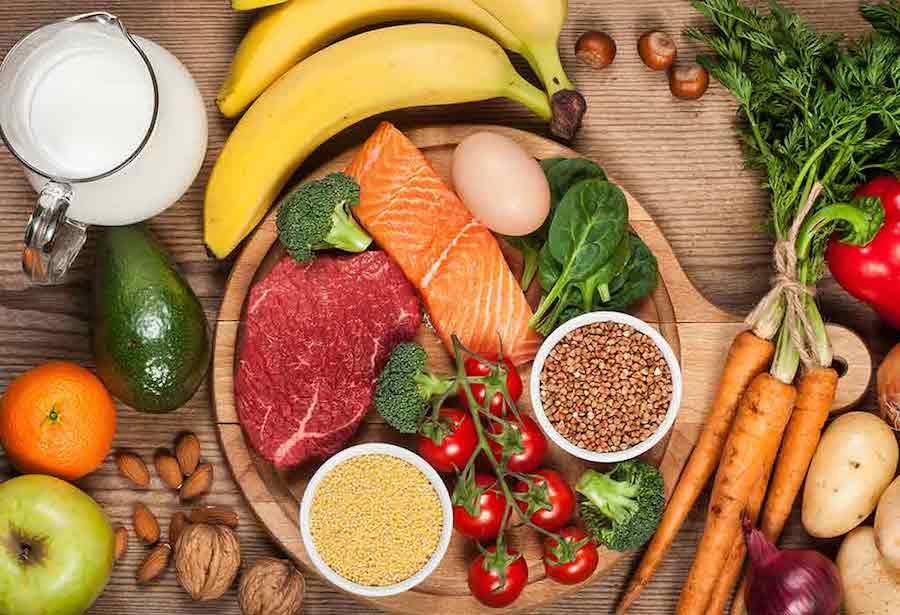
The best foods for supporting a balanced diet for gut health are those rich in fiber, antioxidants, and natural probiotics. Fruits such as bananas, apples, and berries provide essential nutrients while feeding beneficial gut bacteria. Vegetables like spinach, broccoli, and carrots also play an important role in maintaining digestive health.
Fermented foods such as yogurt, kefir, kimchi, and sauerkraut are equally important because they introduce live bacteria into the digestive system. These foods help improve microbial diversity and support smoother digestion. Regularly including these foods in daily meals strengthens gut function and contributes to long-term wellness.
Foods to Limit for Better Gut Health
Certain foods can negatively impact digestive health and should be limited in a balanced diet for gut health. Ultra-processed foods, which often contain preservatives, artificial flavors, and refined sugars, can disrupt the natural balance of gut bacteria. Over time, this can lead to inflammation and poor digestion.
Sugary drinks, fast food, and excessive consumption of red or processed meats can also harm gut health. These foods encourage the growth of harmful bacteria while reducing beneficial microbes. Reducing their intake allows the digestive system to recover and function more efficiently, supporting overall well-being.
Lifestyle Habits That Support Gut Health
Gut health is not only influenced by diet but also by daily lifestyle habits. Stress management plays a major role because the gut and brain are closely connected through the gut-brain axis. High stress levels can negatively affect digestion, making relaxation techniques an important part of gut care.
Regular physical activity, proper sleep, and mindful eating also support a balanced diet for gut health. Eating slowly and chewing food thoroughly improves digestion, while consistent sleep patterns help regulate gut bacteria. These habits work together with a healthy diet to create long-lasting digestive balance.
Gut Health Drinks and Natural Support
Hydration is a key factor in maintaining digestive efficiency and is often overlooked. Water helps break down food and ensures that fiber works effectively in the digestive system. Herbal teas such as ginger and peppermint can also soothe the stomach and reduce bloating, making them valuable additions to daily routines.
Fermented drinks like kefir and kombucha provide natural probiotics that support a balanced diet for gut health. These drinks introduce beneficial bacteria that improve microbial diversity and enhance digestion. When combined with a healthy diet, they offer natural support for long-term gut wellness.
Building Long-Term Gut Health
Maintaining gut health is a continuous process that requires consistency rather than short-term changes. A balanced diet for gut health should be viewed as a long-term lifestyle approach rather than a temporary diet plan. Gradually incorporating more whole foods and reducing processed items leads to sustainable improvements in digestion and overall health.
It is also important to listen to the body and adjust dietary habits based on individual responses. Everyone’s gut microbiome is unique, so what works for one person may not work for another. By focusing on consistency, variety, and natural foods, long-term digestive health can be achieved and maintained effectively.
You may also read: Foods to Avoid That Trigger Inflammation