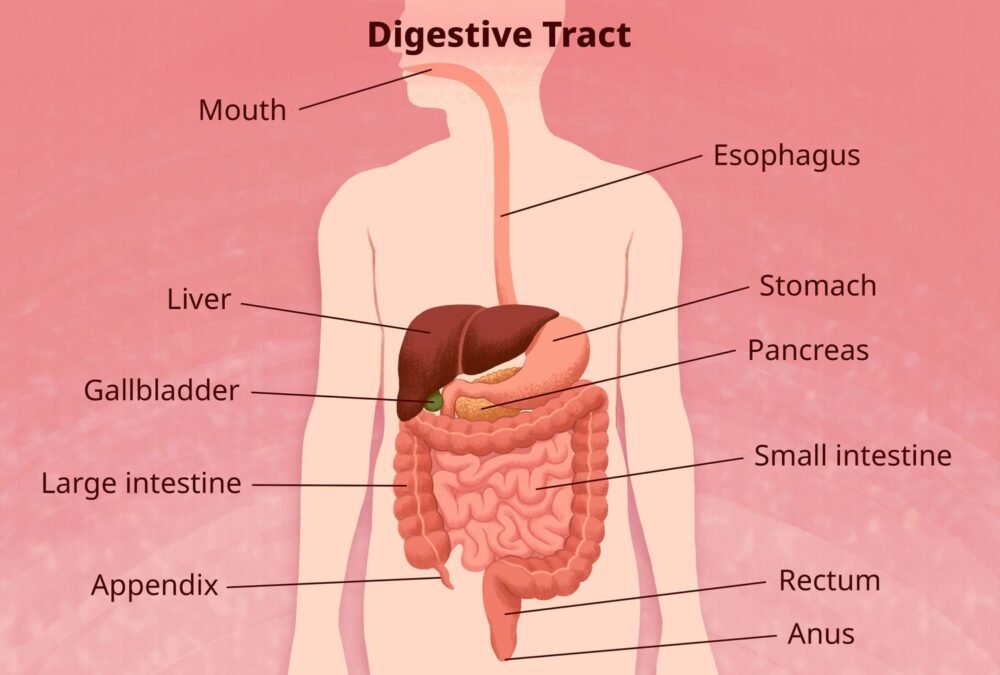
Understanding common digestive disorders symptoms is essential because the digestive system plays a central role in overall health, energy levels, and immunity. When digestion is disrupted, it often affects multiple areas of the body, sometimes in subtle ways that are easy to ignore. Many people assume mild stomach discomfort is temporary, but in reality, recurring symptoms can signal deeper gastrointestinal issues that require attention and care.
In today’s fast-paced lifestyle, poor diet, stress, and irregular eating habits have made digestive problems increasingly common. Recognizing common digestive disorders symptoms early helps individuals take preventive action before conditions worsen. This article explains key warning signs, causes, and health connections so readers can better understand how to protect their digestive health effectively.
Understanding Digestive Disorders
Digestive disorders refer to a wide range of conditions that affect the stomach, intestines, and other parts of the gastrointestinal tract. These conditions can interfere with how food is broken down, nutrients are absorbed, and waste is eliminated from the body. Common examples include acid reflux, irritable bowel syndrome, ulcers, and inflammatory bowel diseases, all of which may present similar early warning signs.
Many people do not realize that common digestive disorders symptoms can appear gradually and may not seem serious at first. However, when left untreated, these conditions can become chronic and significantly impact quality of life. Early understanding of digestive disorders allows individuals to recognize changes in their body and seek timely medical evaluation before complications develop.
Warning Signs of Digestive Disorders
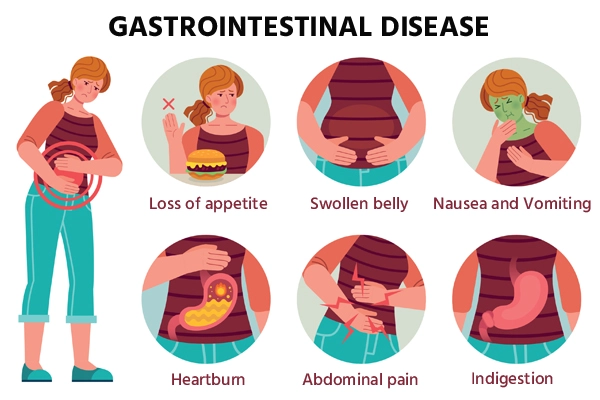
One of the most important aspects of digestive health is recognizing warning signs early. Common digestive disorders symptoms often begin with abdominal discomfort, bloating, and changes in bowel habits. These symptoms may seem minor but can indicate underlying issues such as inflammation, infection, or food intolerance. Persistent symptoms should never be ignored, especially when they interfere with daily life or appear without a clear cause.
Other warning signs include nausea, vomiting, heartburn, fatigue, and unexplained weight loss. In more serious cases, blood in stool or difficulty swallowing may occur, signaling the need for immediate medical attention. Identifying common digestive disorders symptoms at this stage is crucial because early intervention can prevent long-term damage and improve treatment outcomes significantly.
Causes of Digestive Disorders
Digestive disorders can develop due to a combination of lifestyle, environmental, and biological factors. Poor diet, high stress levels, lack of physical activity, and dehydration are among the most common contributors. Eating processed foods and irregular meal patterns can disrupt gut balance and trigger ongoing digestive discomfort over time.
In addition, common digestive disorders symptoms may be influenced by underlying health conditions such as hormonal imbalance, infections, or immune system dysfunction. Genetics can also play a role in certain digestive diseases. Understanding these causes helps individuals make informed lifestyle changes that reduce risk and support long-term digestive wellness.
How Digestive Symptoms Connect to Overall Health
The digestive system is closely linked to other systems in the body, including the nervous, immune, and endocrine systems. Stress and anxiety, for example, can directly affect digestion by altering gut movement and acid production. This connection explains why emotional health often influences physical digestive symptoms.
Furthermore, common digestive disorders symptoms may overlap with conditions affecting metabolism, hormones, or the immune system. Issues like thyroid imbalance or autoimmune diseases can also present digestive discomfort. Because of this complex relationship, a holistic approach is necessary when evaluating digestive health, ensuring that underlying causes are properly identified and treated.
Diagnosis and Medical Evaluation
Diagnosing digestive disorders requires a careful combination of medical history, physical examination, and diagnostic testing. Doctors may recommend blood tests, stool analysis, imaging scans, or endoscopic procedures to understand the condition more accurately. Each test helps identify abnormalities that may not be visible through symptoms alone.
Since common digestive disorders symptoms can be shared across multiple conditions, accurate diagnosis is essential for effective treatment. For example, bloating or abdominal pain may be caused by anything from mild food intolerance to more serious gastrointestinal disease. Proper medical evaluation ensures the correct condition is identified and appropriate treatment is provided.
Treatment and Management
Treatment for digestive disorders depends on the underlying cause and severity of symptoms. In many cases, lifestyle changes such as improving diet, increasing fiber intake, and staying hydrated can significantly improve digestive health. Doctors may also prescribe medications to reduce inflammation, control acid production, or manage infections.
Managing common digestive disorders symptoms also involves stress reduction techniques such as exercise, meditation, and improved sleep habits. Because digestion is sensitive to emotional and physical stress, a balanced lifestyle plays a key role in recovery. Consistent management helps reduce symptom recurrence and improves long-term quality of life.
Prevention and Long-Term Digestive Health
Preventing digestive disorders begins with maintaining healthy daily habits. A balanced diet rich in fruits, vegetables, and whole grains supports gut function and reduces the risk of digestive imbalance. Avoiding excessive processed foods, alcohol, and irregular eating patterns can also help maintain a healthy digestive system.
Long-term prevention of common digestive disorders symptoms requires consistency and awareness. Regular physical activity, proper hydration, and stress management all contribute to improved digestion. Routine medical checkups can further help detect early signs of digestive issues before they become serious, ensuring long-term wellness and stability.
Conclusion
Recognizing and understanding common digestive disorders symptoms is an essential step toward maintaining overall health. Digestive issues often begin with mild signs but can progress into more serious conditions if ignored. By paying attention to changes in digestion, individuals can take proactive steps to protect their health and seek timely medical advice when needed.
Ultimately, good digestive health depends on awareness, prevention, and consistent care. When common digestive disorders symptoms are identified early and managed properly, individuals can significantly improve their quality of life and reduce the risk of long-term complications. A balanced lifestyle combined with medical guidance ensures a healthier and more comfortable future.
You may also read: Immune System Support and Whole Body Wellness