Managing blood glucose has become an essential part of modern health, especially as lifestyle diseases continue to rise globally. Many people struggle with fluctuating energy levels, fatigue, and cravings without realizing that diet plays a central role in stability. Choosing the right foods that reduce blood sugar can significantly improve overall metabolic balance and help maintain steady energy throughout the day.
This article explains how nutrition influences glucose control and why food selection matters more than most people think. By consistently adding foods that reduce blood sugar into daily meals, individuals can support long-term health, reduce the risk of diabetes, and improve insulin response naturally without relying solely on medication or short-term fixes.
Understanding Blood Sugar Levels
Blood sugar, or glucose, is the body’s primary source of energy, derived from the carbohydrates we consume. After eating, glucose enters the bloodstream, and insulin helps move it into cells for energy use. When this system functions properly, blood sugar remains stable, but disruptions can lead to highs and lows that affect overall health and well-being.
Normal blood sugar levels generally stay within a safe range when fasting and after meals. However, stress, diet, and inactivity can cause fluctuations. Understanding these changes is essential because it helps individuals make informed dietary choices and focus on foods that reduce blood sugar to maintain a healthier metabolic balance over time.
Symptoms of High and Low Blood Sugar
High blood sugar, also known as hyperglycemia, often develops gradually and may go unnoticed in the early stages. Common symptoms include excessive thirst, frequent urination, fatigue, and blurred vision. Over time, consistently high glucose levels can damage blood vessels and organs, increasing the risk of serious health complications if not properly managed.
Low blood sugar, or hypoglycemia, can be equally dangerous and usually appears suddenly. Symptoms may include dizziness, shaking, sweating, irritability, and confusion. In severe cases, it may lead to fainting. Recognizing both conditions early and maintaining a balanced intake of foods that reduce blood sugar is crucial for preventing sudden glucose imbalances.
Foods That Reduce Blood Sugar and How They Work

A well-structured diet is one of the most effective natural methods for controlling glucose levels. Certain foods slow down digestion, reduce sugar absorption, and improve insulin sensitivity. This is why nutrition plays such an important role in maintaining stable blood sugar levels without extreme dietary restrictions or complicated routines.
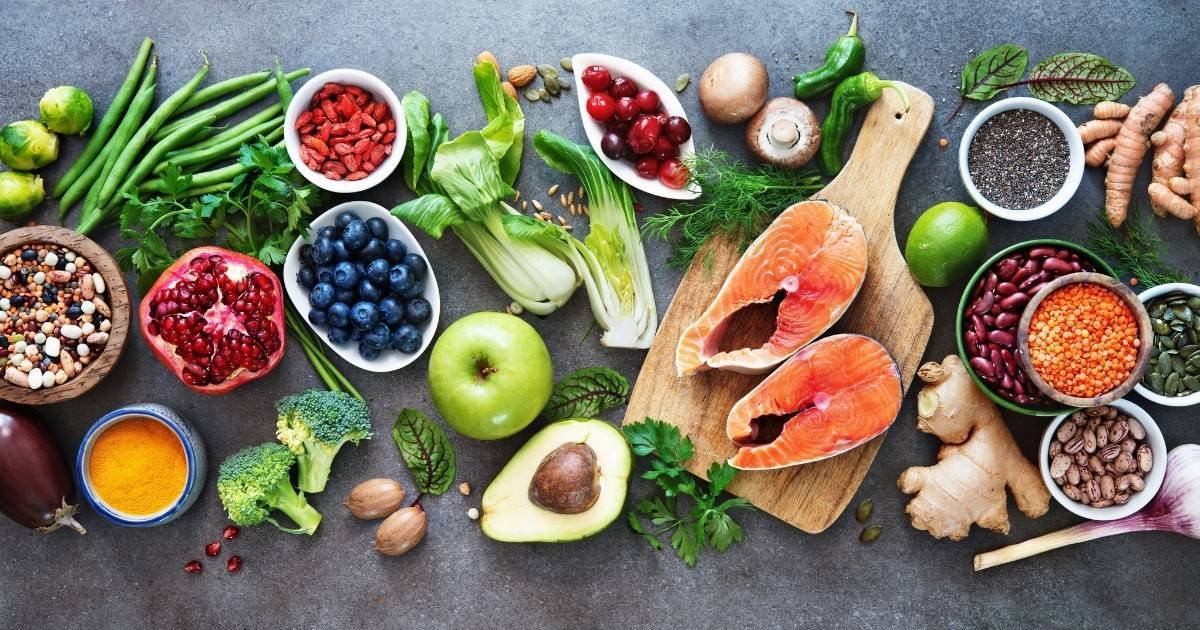
There are 17 powerful foods that reduce blood sugar, including leafy greens, broccoli, lentils, chickpeas, berries, avocados, nuts, seeds, fatty fish, Greek yogurt, cinnamon, garlic, apples, citrus fruits, sweet potatoes, chia seeds, green tea, and bitter gourd. These foods are rich in fiber, antioxidants, and healthy fats, all of which contribute to improved glucose regulation and sustained energy release throughout the day.
How to Lower Blood Sugar Immediately
In situations where blood sugar spikes quickly, immediate action becomes important. Drinking water helps the body flush excess glucose, while light physical activity such as walking can assist in lowering levels by increasing insulin efficiency. Avoiding additional carbohydrate intake during such moments is also highly recommended to prevent further spikes.
Although immediate strategies help in urgent situations, long-term stability depends on consistent dietary habits. Including foods that reduce blood sugar in regular meals ensures fewer sudden fluctuations. Over time, these habits help the body respond more efficiently to glucose intake and reduce dependency on emergency corrective measures.
Foods to Avoid and Lifestyle Habits
Certain foods can significantly worsen blood sugar control and should be minimized. These include sugary drinks, refined carbohydrates, white bread, pastries, and heavily processed snacks. These foods cause rapid spikes in glucose levels, placing extra stress on insulin response and increasing the risk of metabolic disorders over time.
Lifestyle habits are equally important in maintaining balance. Regular exercise, quality sleep, and stress management all contribute to stable blood sugar levels. Combining these habits with foods that reduce blood sugar creates a strong foundation for long-term health. A consistent routine is more effective than temporary diet changes or short-term restrictions.
Monitoring Blood Sugar and Conclusion
Monitoring blood sugar regularly provides valuable insights into how the body responds to food, stress, and activity. Modern glucose monitors make it easier to track patterns and adjust dietary choices accordingly. This helps individuals identify which meals support stability and which may cause unwanted fluctuations in blood glucose levels.
In conclusion, maintaining balanced glucose levels is achievable through informed food choices and healthy habits. Incorporating foods that reduce blood sugar into daily meals is one of the most effective natural strategies for long-term health. With consistency, awareness, and simple lifestyle adjustments, stable energy and better metabolic health become sustainable goals rather than temporary achievements.
You may also read: Normal Blood Sugar Levels by Age