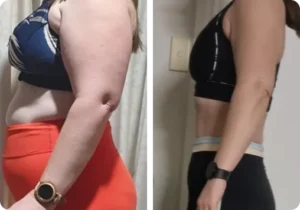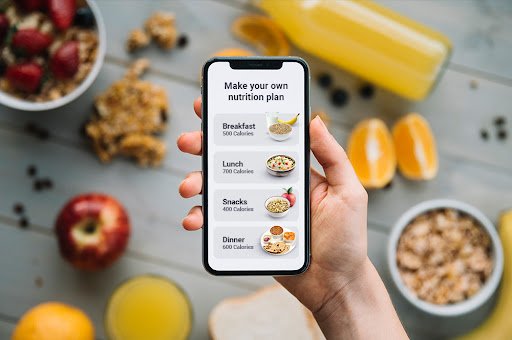
A healthy eating plan for weight loss is one of the most reliable ways to improve physical health, increase energy levels, and maintain a sustainable lifestyle. Many people begin their weight loss journey by following restrictive diets that promise fast results, but these methods often fail because they are difficult to maintain. A balanced eating plan focuses on long-term habits instead of short-term restrictions, allowing the body to lose weight naturally while still receiving essential nutrients every day.
Creating a realistic routine is more effective than chasing quick transformations. Healthy eating should support your lifestyle rather than control it completely. A proper healthy eating plan for weight loss includes lean protein, whole grains, vegetables, fruits, and healthy fats that work together to keep the body satisfied and energised. When people focus on consistency, hydration, portion control, and balanced meals, they are more likely to maintain healthy progress without unnecessary stress or frustration.
Why Balanced Nutrition Supports Sustainable Weight Loss
Balanced nutrition is the foundation of healthy fat loss because the body requires a variety of nutrients to function properly. Protein helps preserve muscle mass and supports fullness, while fibre-rich foods improve digestion and reduce hunger between meals. Healthy carbohydrates provide energy for daily activities, and good fats support brain function, hormones, and overall wellness. Removing entire food groups may lead to nutrient deficiencies and unhealthy eating habits over time.
Many beginners mistakenly believe they must avoid carbohydrates completely to lose weight effectively. In reality, choosing better carbohydrate sources such as oats, brown rice, quinoa, and sweet potatoes can improve energy levels and support long-term results. A healthy eating plan for weight loss should focus on food quality instead of extreme restrictions. This balanced approach helps people develop healthier relationships with food while reducing cravings for highly processed snacks and sugary drinks.
Building a Beginner-Friendly Meal Routine
A simple meal routine makes healthy eating easier for beginners because it removes confusion and helps maintain consistency. Starting the day with a protein-rich breakfast such as eggs, oatmeal, or Greek yogurt can reduce cravings later in the day and improve concentration. Lunch and dinner should include vegetables, lean proteins, and healthy carbohydrates that provide steady energy without excessive calories.
Meal preparation can also improve success during a weight loss journey. Preparing healthy snacks and meals in advance reduces the temptation to order fast food or eat unhealthy convenience products. A healthy eating plan for weight loss becomes easier to maintain when healthy choices are easily available at home. Small adjustments such as cooking with less oil, drinking more water, and reducing sugary beverages can create noticeable improvements over time.
Foods That Help With Healthy Weight Loss

Whole foods are usually the best choice for people trying to lose weight because they contain more nutrients and fewer unnecessary additives. Vegetables such as spinach, broccoli, cucumbers, and peppers are low in calories but rich in vitamins and fibre. Fruits including berries, apples, and oranges provide natural sweetness while supporting digestion and overall health. Eating a variety of colourful foods helps the body receive essential nutrients needed for proper metabolism.
Protein-rich foods are equally important because they increase satiety and help preserve muscle during fat loss. Chicken breast, fish, eggs, tofu, lentils, and Greek yogurt are excellent additions to a healthy eating plan for weight loss. Healthy fats from avocados, olive oil, nuts, and seeds also support appetite control and hormone balance. Choosing nutrient-dense meals instead of highly processed foods can improve both physical health and weight management results.
Common Mistakes That Slow Down Weight Loss
One of the most common mistakes people make is skipping meals in an attempt to reduce calories quickly. While this may seem effective initially, it often leads to intense hunger and overeating later in the day. Extremely low-calorie diets may also slow metabolism and reduce energy levels, making it harder to maintain healthy habits consistently. Sustainable progress comes from balanced eating rather than severe restrictions.
Another major mistake is depending entirely on weight loss pills, weight loss patches, or quick-fix products without improving lifestyle habits. While some prescription treatments may support medical weight management, healthy eating and physical activity remain essential for long-term success. A healthy eating plan for weight loss should always focus on building routines that can realistically continue for months and years instead of temporary solutions with unrealistic expectations.
Exercise and Lifestyle Habits That Improve Results
Regular movement supports healthy weight loss by increasing calorie expenditure and improving cardiovascular health. Beginners do not need intense workout routines to see progress. Walking, cycling, swimming, and simple strength-training exercises can significantly improve fitness levels and support fat loss. Consistency matters more than intensity, especially for people starting a healthier lifestyle for the first time.
Lifestyle habits outside the gym also influence body weight and overall wellbeing. Poor sleep and chronic stress may increase hunger hormones and encourage emotional eating behaviours. Creating a healthy daily routine with enough sleep, stress management, hydration, and physical activity can improve the effectiveness of a healthy eating plan for weight loss. Small lifestyle improvements often create powerful long-term results when practised consistently.
Understanding Weight Loss Medications and Injections
Interest in treatments such as mounjaro weight loss injections, wegovy weight loss medication, and ozempic for weight loss has increased significantly in recent years. These treatments are generally prescribed to individuals who struggle with obesity or weight-related health conditions under medical supervision. They may help reduce appetite and improve blood sugar control, but they are not designed to replace healthy eating or physical activity.
People considering weight loss injections UK services should always seek professional medical guidance before starting treatment. Although these medications can support certain individuals, they work best when combined with a healthy eating plan for weight loss and consistent lifestyle improvements. Relying entirely on injections or medication without addressing eating habits may limit long-term success and create unrealistic expectations about sustainable fat loss.
Celebrity Weight Loss Stories and Online Trends
Public interest in celebrity transformations continues to grow, with searches related to alison hammond weight loss, kelly clarkson weight loss, peter kay weight loss, lizzo weight loss, and sharon osbourne weight loss regularly appearing online. While these stories may inspire some people to improve their health, celebrity journeys often involve personal trainers, nutrition experts, medical professionals, and lifestyle changes that are not always visible to the public.
Social media trends can sometimes create pressure to achieve unrealistic body standards or follow unhealthy methods for rapid results. Instead of comparing progress to celebrities or influencers, individuals should focus on building habits that support their own physical and mental wellbeing. A healthy eating plan for weight loss should feel sustainable, enjoyable, and realistic for everyday life rather than stressful or impossible to maintain long term.
NHS Weight Loss Advice for Beginners
The NHS weight loss guidance encourages people to focus on gradual lifestyle changes instead of extreme dieting. Healthy meals, regular physical activity, and portion awareness are central recommendations for sustainable progress. The NHS also advises reducing sugary snacks, processed foods, and excessive alcohol consumption while increasing the intake of fruits, vegetables, and whole grains throughout the week.
Using tools such as a weight loss calculator may help people understand their calorie needs and set achievable goals. However, every individual has different nutritional requirements based on age, health conditions, activity levels, and body composition. Following a balanced healthy eating plan for weight loss while listening to professional advice can help beginners avoid harmful dieting trends and maintain healthier habits over time.
Staying Consistent During a Weight Loss Journey
Consistency is often more important than perfection when trying to lose weight successfully. Many people become discouraged after experiencing temporary setbacks, but occasional mistakes are normal during any lifestyle change. Focusing on long-term habits instead of daily fluctuations helps maintain motivation and reduces the emotional stress associated with strict dieting.
Setting realistic goals and celebrating small improvements can make the process more enjoyable and sustainable. Drinking enough water, preparing meals at home, staying active, and getting enough sleep all contribute to better results over time. A healthy eating plan for weight loss should improve overall quality of life while supporting physical health, confidence, and long-term wellbeing without relying on unhealthy extremes.
Conclusion
A healthy eating plan for weight loss is not about avoiding food or following unrealistic diet trends that cannot be maintained long term. It is about building healthier habits that support sustainable fat loss, better energy, and improved overall wellbeing. Choosing balanced meals, controlling portions, staying physically active, and maintaining consistency are some of the most effective ways to achieve lasting results naturally.
Whether someone is exploring NHS weight loss guidance, researching weight loss medication, or simply trying to improve their daily routine, healthy habits remain the foundation of long-term success. Gradual progress often creates stronger and more sustainable transformations than extreme methods. By focusing on nutritious foods, regular activity, and realistic goals, beginners can create a healthier lifestyle that supports both physical and mental wellbeing for years to come.
You may also read: Key Lifestyle Factors That Influence Risk