Starting a healthier lifestyle can feel overwhelming, especially with so much conflicting nutrition advice available online. However, the truth is that building better habits does not require complicated rules or strict dieting. With the right approach, anyone can improve their daily nutrition step by step. This is where healthy eating tips for beginners become extremely useful, offering simple and practical guidance that fits into real-life routines without stress or confusion.
For most people, the hardest part is not knowing what to eat but how to stay consistent over time. Instead of chasing perfection, it is better to focus on gradual improvements that can be maintained long term. When beginners understand this mindset, they are more likely to succeed. Following healthy eating tips for beginners helps create a foundation that supports energy, better digestion, and overall wellness without unnecessary restrictions.
What is Healthy Eating
Healthy eating refers to consuming a balanced variety of foods that provide essential nutrients such as vitamins, minerals, fiber, protein, and healthy fats. It is not about avoiding all “bad” foods but about creating harmony in your daily meals. Whole foods like fruits, vegetables, grains, and lean proteins form the core of a healthy diet, while processed foods should be limited rather than completely eliminated.
Understanding this concept is the first step in applying healthy eating tips for beginners effectively. Many people assume healthy eating means strict dieting, but in reality it is about building flexible habits that can be sustained for life. A balanced approach allows occasional treats while still prioritizing nutrient-dense foods that support long-term health and well-being.
Healthy Eating Guidelines
Basic healthy eating guidelines are designed to help individuals make smarter food choices without overcomplicating their diet. These include increasing fruit and vegetable intake, choosing whole grains over refined carbohydrates, and ensuring adequate hydration throughout the day. Reducing added sugar, salt, and unhealthy fats is also an important part of maintaining a balanced lifestyle.
When applying healthy eating tips for beginners, it is essential to follow these guidelines consistently rather than occasionally. Small daily actions, such as drinking more water or adding vegetables to meals, can create long-term improvements. These habits gradually reshape eating behavior, making healthier choices feel natural rather than forced or restrictive over time.
Healthy Eating Plate

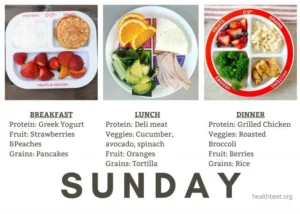
The healthy eating plate is a simple visual tool that helps individuals understand portion balance without counting calories. It typically divides the plate into sections: half for fruits and vegetables, one quarter for lean proteins, and one quarter for whole grains. This structure makes it easier to create balanced meals at home or when eating out.
One of the most effective healthy eating tips for beginners is using this plate method as a daily guide. It removes confusion about portion sizes and encourages variety in every meal. By following this approach, beginners can naturally improve their nutrition while avoiding the complexity of strict diet plans or detailed tracking systems.
Healthy Eating Tips for Beginners
Starting small is one of the most powerful strategies for improving nutrition. Instead of changing everything at once, beginners should focus on adding one healthy habit at a time, such as drinking more water or including vegetables in every meal. This gradual approach makes lifestyle changes more sustainable and less stressful in the long run.
These healthy eating tips for beginners also emphasize consistency over perfection. It is normal to have off days, but what matters is returning to healthy choices without guilt. Over time, small adjustments build strong habits that naturally improve energy levels, digestion, and overall well-being without requiring extreme dietary restrictions.
Healthy Eating Plan and Meal Prep
A structured eating plan can significantly simplify daily food decisions and reduce reliance on unhealthy convenience foods. Meal planning allows individuals to prepare balanced meals in advance, saving both time and mental effort during busy days. A simple 7-day framework is often enough for beginners to stay organized and consistent.
Incorporating healthy eating tips for beginners into meal prep routines makes healthy living more practical. Preparing ingredients ahead of time, choosing simple recipes, and keeping healthy snacks available can prevent poor food choices. This approach helps build discipline while still allowing flexibility in everyday eating habits.
Conclusion
Healthy eating is not about strict rules or temporary diets but about creating a balanced and enjoyable lifestyle. The goal is to make small, meaningful improvements that can be maintained long term. When beginners focus on progress instead of perfection, they are more likely to develop habits that support lasting health and well-being.
Applying healthy eating tips for beginners consistently can transform the way you approach food and nutrition. Over time, these habits lead to improved energy, better mood, and stronger overall health. The key is to stay patient, remain consistent, and continue making small adjustments that support a healthier and more sustainable way of living.
You may also read: Morning Routines That Strengthen Wellness