
Finding a psychiatrist in America is still harder than it should be. In rural counties, the wait for an appointment can stretch for months — if there is a provider in the area at all. Schools, jails, and small community clinics face the same math: the need for psychiatric care keeps growing, while the supply of psychiatrists never quite catches up.
Telepsychiatry changed the geography of that problem. When a session can happen over a secure two-way video connection, a patient in a small town can see a psychiatrist hundreds of miles away. But there is a second, less talked-about benefit to outsourcing psychiatric care — and it has to do with the quality of the diagnostics patients receive.
The staffing problem nobody talks about
Hiring a full-time psychiatrist is a heavy lift for most facilities. A rural clinic or a county jail cannot always offer the salary, caseload, or professional community that attracts psychiatric talent. The result is unfilled positions, long gaps in care, and staff stretched thin trying to cover needs they were never trained for.
That is why many facilities now turn to a psychiatry staffing network instead of trying to hire on their own. Rather than recruiting a single psychiatrist, they plug into a network of licensed providers who deliver care remotely — on a regular appointment schedule, on demand when a crisis comes up, or both. The facility gets reliable coverage; the patient actually gets seen.
The diagnostic edge of full-time telepsychiatry providers
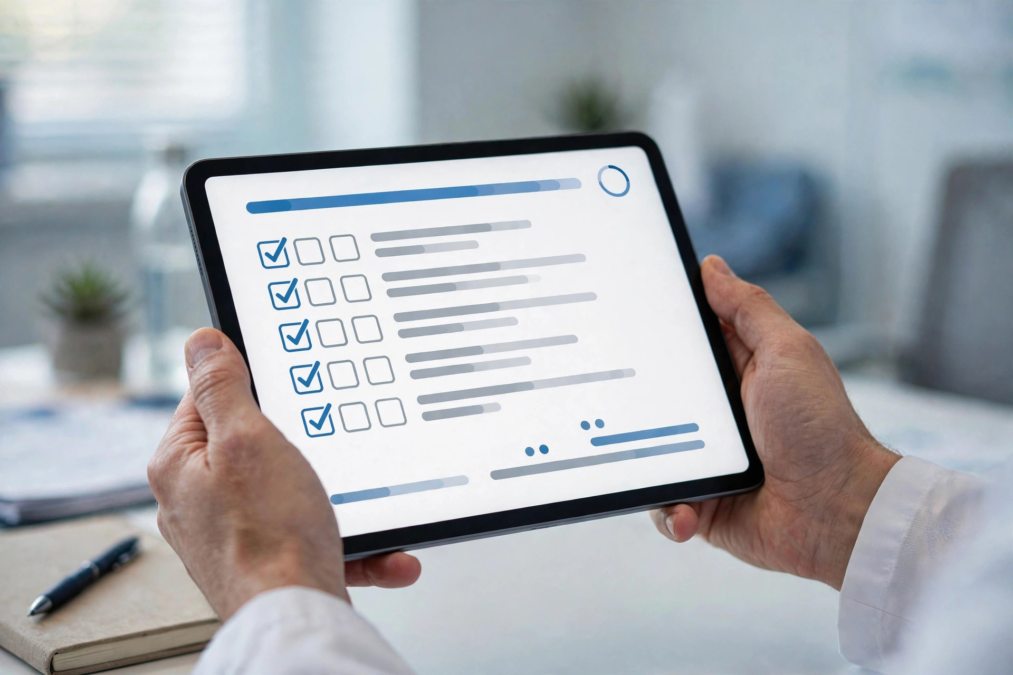
Here is the part that gets less attention: psychiatrists who work exclusively through telepsychiatry tend to stay sharper on the tools of the trade. Screening instruments, diagnostic criteria, and best practices in mental health evolve constantly. A solo practitioner splitting time between a packed clinic schedule and administrative work can struggle to keep up. Providers who deliver psychiatric care at scale, day in and day out, build their workflows around the latest instruments — because staying current is quite literally their job.
Take modern psychiatric screening tools as an example. Brief, structured screeners like the 13-item mwTool-13 give clinicians an efficient way to flag conditions that a free-form conversation might miss — and these instruments keep getting refined as new research comes in. When a facility outsources its psychiatry, it is not just buying appointment slots; it is buying into a practice that lives and breathes current diagnostics.
Where this matters most
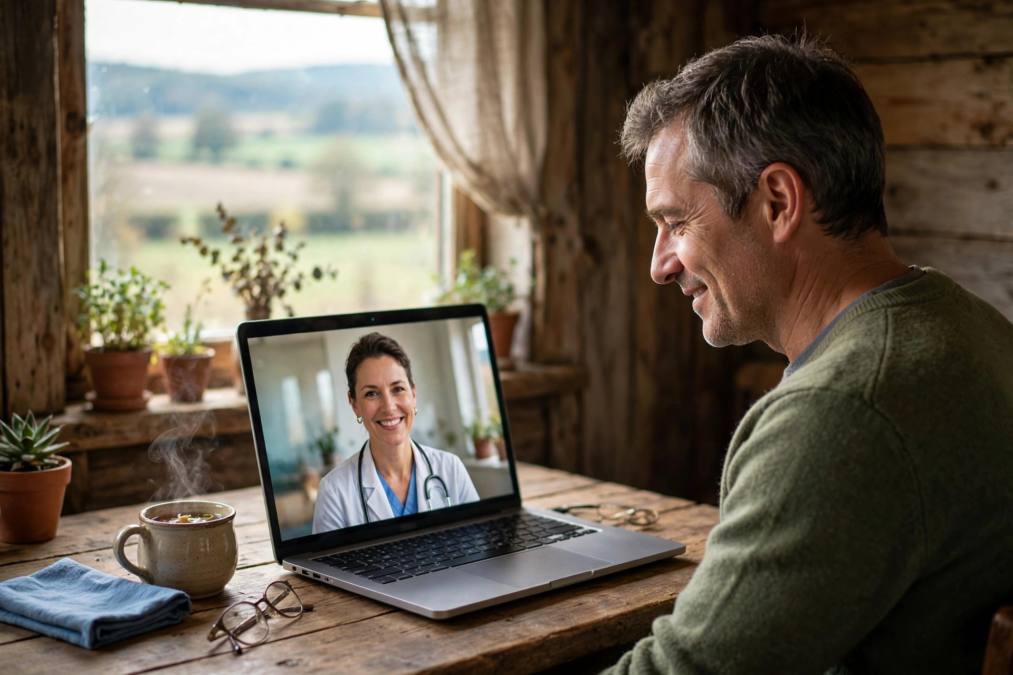
The facilities that benefit most are the ones traditional psychiatry has historically underserved:
- Community clinics that need reliable coverage without the overhead of a full-time hire.
- Schools, where early screening can change the entire trajectory of a student’s life.
- Jails and correctional facilities, where mental health needs are acute and on-site specialists are rare.
- Hospitals managing overflow, or covering the night and weekend gaps when no psychiatrist is in the building.
In each case, the model is the same: expert psychiatric care delivered over two-way video, available on appointment or on demand — whichever the situation calls for.
A network built for exactly this
FasPsych is one of the largest telepsychiatry staffing companies in the United States, providing services in all 50 states. Its providers deliver care to patients at clinics, schools, jails, hospitals, and other medical locations — either on a scheduled appointment basis or on demand. Because its psychiatrists and psychiatric nurse practitioners work inside a dedicated telepsychiatry practice, they stay current with the latest developments in mental health care, from updated diagnostic approaches to newer instruments like mwTool-13.
What to look for in a telepsychiatry partner
Not every telepsychiatry arrangement is equal. Facilities evaluating their options should ask four questions:
- Coverage model — Is care available both on a schedule and on demand? Crises do not keep office hours.
- Current diagnostics — Do providers use up-to-date screening tools, or rely on habit and memory?
- Continuity — Will patients see the same provider across visits, or a rotating cast of strangers?
- Reach — Can the partner serve every location you operate in, across state lines?
The answers separate a true clinical partner from a warm body filling a shift.
The bottom line
Outsourced psychiatry started as an answer to a staffing shortage. It is becoming something more: a way for facilities of every size to offer their patients modern, well-calibrated mental health care — the kind that comes from providers whose full-time focus is staying current. For patients in the places the mental health system has historically overlooked, that difference matters more than most people realize.