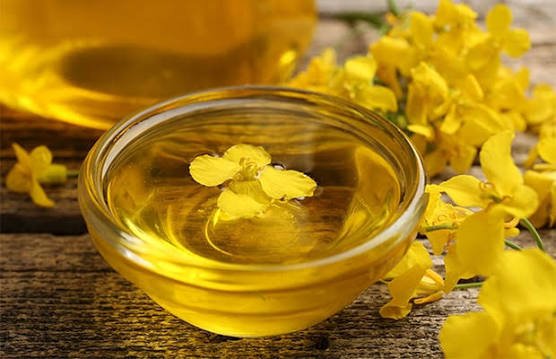
Choosing the ideal culinary oil often feels like a standing challenge when browsing the grocery aisle. Both options are regularly celebrated by culinary experts and dietary researchers, yet they serve remarkably different purposes inside the modern kitchen. Deciding between rapeseed oil vs olive oil comes down to understanding how each oil behaves under thermal exposure, how its underlying fat profile influences long-term cardiovascular wellness, and how its distinct taste notes alter the overall outcome of your favorite home-cooked meals.
Gaining a thorough mastery of the physical and nutritional differences in rapeseed oil vs olive oil empowers you to make informed, highly intentional cooking decisions every day. While one variety serves as an exceptionally dependable partner for deep roasting, searing, and delicate baking, the other excels as an aromatic, antioxidant-rich finishing element. By evaluating their fatty acid structures, smoke points, and culinary flexibility, you can easily elevate your daily menu into a seamless blend of health-conscious choices and flavor-packed culinary creations.
Nutritional Profiles Compared
When evaluating rapeseed oil vs olive oil through a clear nutritional lens, both options earn exceptional marks for supporting dietary wellness, yet their exact compositions differ significantly. Rapeseed oil holds the distinct advantage of featuring the lowest saturated fat percentage of any major culinary fat on the commercial market, containing a lean 7% saturated fat. In direct comparison, traditional olive oil contains approximately 14% saturated fat. This notable difference makes rapeseed oil an exceptionally appealing choice for individuals who actively aim to reduce their overall intake of saturated fats while boosting their consumption of beneficial unsaturated fats.
Beyond basic saturated fat metrics, the specific structural balance of their fatty acids offers distinct biological benefits for daily health. Rapeseed oil contains a surprisingly high concentration of alpha-linolenic acid, an essential plant-based Omega-3 fatty acid that contributes directly to healthy heart function and systemic inflammation management. Conversely, extra virgin olive oil is world-renowned for its dense concentration of monounsaturated oleic acid. While cold-pressed rapeseed oil delivers a reliable dose of protective Vitamin E, premium olive oil provides rare polyphenols, oleocanthal, and squalene, offering robust defense against oxidative cellular stress throughout the body.
Smoke Points and Heat Stability
Thermal tolerance remains a pivotal factor when analyzing rapeseed oil vs olive oil for everyday kitchen prep and high-temperature cooking tasks. The smoke point represents the exact thermal threshold where an oil begins to decompose, produce visible smoke, and degrade into undesirable chemical compounds and free radicals. Refined and cold-pressed rapeseed options maintain high structural stability under intense heat, offering an impressive smoke point ranging from 204°C to 240°C. This exceptional heat resistance makes it ideal for crisping, high-heat pan roasting, deep-frying, and lively wok stir-frying without breaking down or burning.
In sharp contrast, unrefined extra virgin olive oil exhibits a noticeably lower smoke point, typically topping out between 160°C and 190°C. Exposing delicate extra virgin olive oil to extreme heat rapidly destroys its prized thermolabile antioxidants and creates an unpleasantly bitter taste profile in your finished food. While refined light olive oil can tolerate slightly elevated temperatures, extra virgin varieties are always best saved for gentle medium-heat sautéing, low-temperature simmering, or raw finishing applications where delicate, volatile nutrients remain fully protected from heat degradation.
Flavor Profiles and Culinary Uses
The decision to choose rapeseed oil vs olive oil frequently comes down to your desired flavor outcome and specific recipe goals. Rapeseed oil possesses a remarkably light, completely neutral taste profile that integrates seamlessly into recipes without masking or altering the natural taste of your core ingredients. Because it remains neutral on the palate, it stands as the preferred option for baking moist cakes, whisking light homemade salad dressings, creating silky mayonnaise, and preparing delicate vegetable dishes where subtle spices and fresh herbs must remain the star attraction.
Conversely, olive oil—especially cold-pressed extra virgin olive oil—is beloved worldwide for its bold, expressive taste characteristics, ranging from grassy and fruity to intensely peppery and complex. These robust flavor nuances instantly elevate traditional Mediterranean recipes, crisp garden salads, warm pasta dishes, and rustic artisan breads. Using a generous drizzle of unheated extra virgin olive oil over freshly grilled vegetables or hearty bean soups adds immediate depth and luxurious mouthfeel, proving itself as an essential flavor enhancer across global culinary traditions.
Health Benefits and Cardiovascular Impact
Incorporating either of these vegetable fats into your daily eating pattern delivers solid health support, though they protect your biological systems through slightly different pathways. Both products replace harmful dietary saturated fats with beneficial monounsaturated and polyunsaturated fatty acids, which actively helps maintain healthy cholesterol ratios. Rapeseed oil’s balanced ratio of essential Omega-3 to Omega-6 fatty acids works efficiently to preserve vascular elasticity and reduce internal inflammation, making it a widely recommended option among contemporary heart health organizations globally.
Meanwhile, extra virgin olive oil remains the undisputed cornerstone of the extensively researched Mediterranean diet pattern. Its unique anti-inflammatory active constituent, oleocanthal, functions in a manner similar to mild natural anti-inflammatory compounds, helping lower systemic cardiovascular stress over time. When evaluating rapeseed oil vs olive oil for holistic, long-term physical wellness, integrating both options into your weekly diet ensures you capture the combined biological advantages of protective olive polyphenols along with essential, heart-supporting plant Omega-3s.
Processing Methods, Sustainability, and Cost
The specific methods used to harvest and process these oils directly influence their overall environmental footprint and your grocery budget. Extra virgin olive oil requires careful mechanical pressing of whole olives, preserving high nutrient levels but inevitably raising production costs and retail pricing. Furthermore, high-grade olive oils are frequently imported from distant Mediterranean regions, adding significant transit overhead and carbon output. Conversely, locally cultivated cold-pressed rapeseed oil offers a highly accessible, environmentally friendly alternative for conscious consumers looking for sustainable, budget-friendly kitchen staples.
Manufacturing methods also dictate overall shelf stability and nutrient retention over time. Cold-pressed variations of both oils maintain their deep natural coloration, native vitamins, and active antioxidants without requiring chemical solvents or extreme heat treatments. However, mass-market refined rapeseed oil undergoes careful filtration to achieve its ultra-high smoke point and neutral profile. Balancing cost factors, processing standards, and environmental impact helps home cooks purchase premium extra virgin olive oil for raw culinary uses while depending on economical rapeseed oil for heavy daily cooking demands.
Conclusion
In the direct comparative debate regarding rapeseed oil vs olive oil, there is no single absolute winner—only the smartest choice tailored to your specific cooking method and flavor expectations. Rapeseed oil clearly claims top honors for high-heat frying, deep roasting, baking sweet or savory items, and maintaining a low-saturated-fat daily diet. Meanwhile, unrefined extra virgin olive oil remains completely unrivaled for raw salad dressings, low-heat skillet work, and delivering rich, antioxidant-packed flavor notes to fully prepared dishes.
For a versatile and well-balanced home kitchen setup, keeping fresh bottles of both oils stocked in your pantry is the ideal approach. Rely on rapeseed oil as your dependable, high-heat workhorse for hot frying pans, crispy roasted vegetables, and delicate baked pastries. Reach for your premium extra virgin olive oil whenever you desire to infuse fresh meals with rich Mediterranean character, robust fruitiness, and maximum plant-based polyphenol benefits.
Frequently Asked Questions
Can I use rapeseed oil instead of olive oil for salad dressings?
Yes, you can easily substitute rapeseed oil for olive oil when making homemade salad dressings. Its clean, neutral flavor allows fresh herbs, minced garlic, citrus juices, and specialized vinegars to shine through without any oily aftertaste. However, if you specifically want a peppery, bold flavor profile for classic green salads, unrefined extra virgin olive oil remains the traditional choice.
Is rapeseed oil safer for high-heat frying than extra virgin olive oil?
Rapeseed oil is significantly safer and more chemically stable for high-heat frying because of its elevated smoke point, reaching up to 240°C. Extra virgin olive oil breaks down and burns at much lower cooking temperatures, which degrades its delicate chemical structure and creates bitter off-flavors alongside unwanted smoke in your kitchen environment.
Which oil has less saturated fat: rapeseed oil or olive oil?
Rapeseed oil contains noticeably less saturated fat than olive oil. It features approximately 7% saturated fat compared to the 14% found in standard olive oil formulations, giving cold-pressed rapeseed oil the lowest saturated fat composition of any mainstream culinary cooking fat available today.
Does cooking with extra virgin olive oil destroy its health benefits?
Subjecting extra virgin olive oil to sustained high temperatures damages its delicate polyphenols, volatile flavor compounds, and heat-sensitive antioxidants. To ensure you receive its full nutritional potential and signature taste profile, extra virgin olive oil is best enjoyed raw as a finishing oil or used for gentle, low-temperature sautéing.
Are canola oil and rapeseed oil the exact same product?
Canola oil is a specific agricultural cultivar of the broader rapeseed plant, bred to ensure naturally low levels of erucic acid and glucosinolates. While the two names are frequently used interchangeably in culinary recipes, traditional culinary rapeseed oil—particularly cold-pressed artisanal varieties—generally undergoes significantly less chemical processing than standard commercial canola oil.
You may also read: Simple Steps to Use Saline Nasal Spray Correctly