Low calorie healthy meals have become increasingly popular because people want simple ways to eat better without following restrictive diets. Modern healthy eating focuses on balance rather than deprivation, allowing individuals to enjoy satisfying meals while still managing their calorie intake. Meals rich in lean proteins, vegetables, healthy fats, and fiber can help support weight management, improve energy levels, and encourage long-term healthy habits. Unlike extreme dieting trends, balanced low calorie meals are easier to maintain and fit naturally into daily life.
Another reason low calorie healthy meals continue to grow in popularity is convenience. Many healthy recipes now use affordable ingredients and require minimal preparation time, making them practical for busy lifestyles. From quick breakfasts to easy family dinners, healthy low calorie recipes can be adapted for different tastes and dietary needs. This flexibility allows people to enjoy nutritious food without feeling limited or overwhelmed by complicated meal plans.
The Importance of Protein in Low Calorie Meals
Protein plays a major role in creating filling and satisfying low calorie meals. Foods such as chicken breast, eggs, tuna, turkey, tofu, shrimp, and Greek yogurt provide essential nutrients while helping reduce hunger throughout the day. High protein low calorie foods are especially useful for individuals trying to lose weight because protein supports muscle maintenance and helps people stay full for longer periods after eating.
Adding protein to every meal can also reduce unhealthy snacking and improve overall meal balance. For example, a breakfast with eggs or Greek yogurt often provides more lasting energy than sugary cereals or processed pastries. High protein low calorie meals are now widely recommended because they combine nutrition, flavor, and fullness without excessive calories. Including a variety of protein sources throughout the week can make meals more enjoyable and nutritionally complete.
Healthy Ingredients That Add Flavor Without Extra Calories
Fresh vegetables are among the most valuable ingredients in low calorie healthy meals because they provide volume, texture, and nutrients without adding many calories. Broccoli, spinach, zucchini, peppers, cauliflower, mushrooms, and leafy greens can make meals feel larger and more satisfying. These vegetables also contain fiber, vitamins, and antioxidants that support overall health and digestion while helping people feel full after eating.
Herbs, spices, garlic, lemon juice, and healthy sauces can dramatically improve the flavor of low calorie foods without relying on heavy oils or sugary ingredients. Many people mistakenly believe healthy meals are bland, but simple seasoning combinations can transform ordinary recipes into flavorful dishes. Choosing fresh ingredients and natural seasonings makes it easier to create meals that feel enjoyable while still supporting healthy eating goals.
Low Calorie Breakfast Ideas for a Better Start
Breakfast is often described as the foundation of a productive day, and healthy low calorie breakfasts can help maintain steady energy levels from the morning onward. Options such as overnight oats, vegetable omelets, Greek yogurt bowls, and fruit smoothies provide a balance of protein, fiber, and healthy carbohydrates. These meals are simple to prepare and can prevent unnecessary snacking later in the day by improving fullness during the morning hours.
Many people trying to lose weight skip breakfast completely, but balanced low calorie healthy meals in the morning may actually support better eating habits. A protein-rich breakfast often reduces cravings for sugary snacks and improves concentration during work or school. Adding ingredients like chia seeds, berries, oats, and low calorie protein powder can further increase nutrition without adding excessive calories.
Easy Low Calorie Lunch Ideas for Busy Days
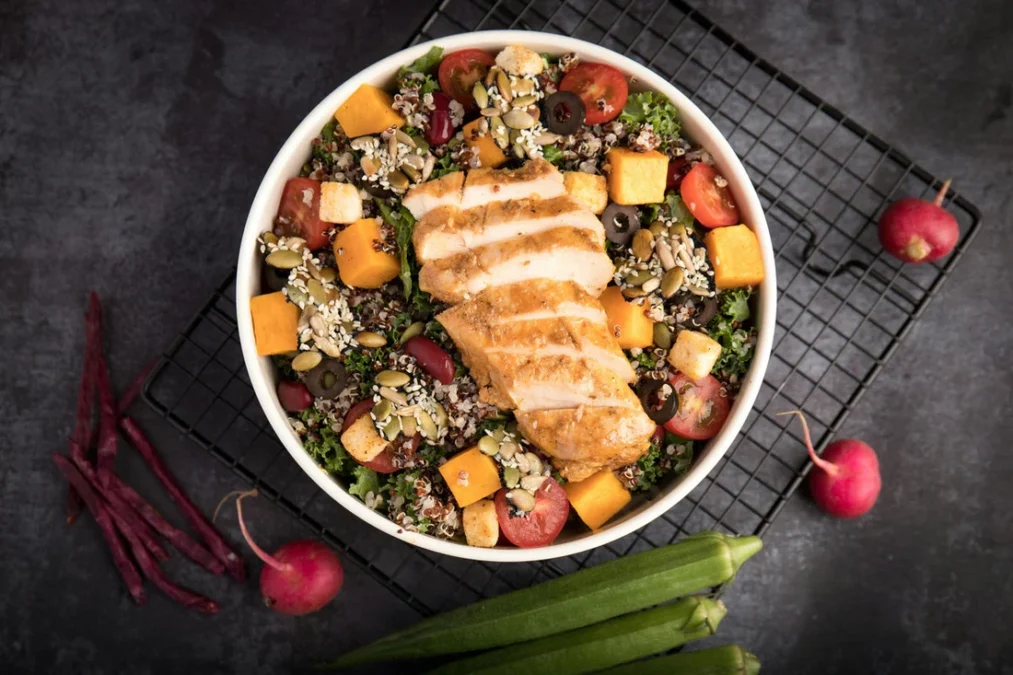
Lunch should provide enough nutrition to maintain energy while remaining light enough to avoid afternoon fatigue. Healthy lunch options such as grilled chicken salads, turkey wraps, quinoa bowls, vegetable soups, and rice paper rolls are practical choices for busy schedules. These meals can often be prepared ahead of time, making them ideal for work lunches or meal prep routines during the week.
Low calorie lunch ideas work best when they combine lean protein with fiber-rich vegetables and healthy carbohydrates. This balance helps regulate hunger and supports consistent energy levels throughout the afternoon. Instead of relying on processed fast food, preparing homemade low calorie meals allows people to control ingredients, portion sizes, and overall nutritional quality more effectively.
Filling Low Calorie Dinners That Support Weight Loss
Dinner can be one of the most challenging meals for people trying to eat healthier because evening cravings are common after stressful days. However, low calorie dinners can still feel comforting and satisfying when built around nutritious ingredients. Meals such as grilled salmon with vegetables, turkey chili, chicken stir-fry, cauliflower rice bowls, and baked cod provide protein and flavor without excessive calories.
Creating filling low calorie healthy meals for dinner often involves increasing vegetable portions and choosing healthier cooking methods. Roasting, grilling, steaming, and air frying can reduce unnecessary oils while preserving flavor and texture. Family-friendly low calorie recipes are also becoming more popular because they allow everyone at the table to enjoy healthier meals without preparing separate dishes.
Healthy Low Calorie Snacks That Reduce Cravings
Snacking can either support or disrupt healthy eating habits depending on the food choices involved. Healthy low calorie snacks such as boiled eggs, roasted chickpeas, cottage cheese, popcorn, apples, and Greek yogurt can help control hunger between meals. These foods provide nutrients and protein that improve fullness while reducing the temptation to eat highly processed snacks loaded with sugar and unhealthy fats.
Portable snack options are especially useful for people with busy schedules who may not always have access to healthy meals. Preparing snacks in advance can prevent impulsive food decisions during stressful or rushed moments. High protein low calorie snacks have become increasingly popular because they help maintain stable energy levels and support better appetite control throughout the day.
Enjoying Low Calorie Desserts Without Sacrificing Flavor
Desserts are often viewed as incompatible with healthy eating, but many low calorie desserts can satisfy cravings without ruining nutritional goals. Fruit parfaits, protein puddings, yogurt bowls, dark chocolate treats, and homemade smoothies are popular choices for people seeking healthier alternatives. Even low calorie ice cream options now offer improved taste and higher protein content compared to traditional diet desserts from previous years.
Moderation is one of the most important aspects of maintaining a balanced lifestyle. Completely avoiding sweets can sometimes increase cravings and lead to overeating later. Including healthier dessert options occasionally allows people to enjoy treats while still following a realistic eating plan. Balanced low calorie healthy meals should support sustainability rather than perfection, making room for enjoyable foods in reasonable portions.
Meal Prep Strategies for Long-Term Success
Meal preparation is one of the simplest ways to stay consistent with healthy eating habits. Planning meals ahead of time reduces the likelihood of choosing unhealthy convenience foods during busy days. Preparing ingredients such as grilled chicken, roasted vegetables, rice, quinoa, and healthy sauces in advance can make daily cooking much faster and easier throughout the week.
Successful meal prep does not require complicated recipes or expensive ingredients. Many people achieve better results by focusing on simple meals with versatile ingredients that can be used in multiple recipes. Batch cooking soups, salads, stir-fries, and protein sources allows individuals to create several low calorie healthy meals without spending hours in the kitchen every day.
Common Mistakes People Make With Low Calorie Diets
One common mistake people make is eating too few calories in an attempt to lose weight quickly. Extremely restrictive diets can lead to fatigue, cravings, reduced energy, and difficulty maintaining healthy habits over time. Balanced low calorie meals should still provide enough nutrients, protein, fiber, and healthy fats to support overall wellness and sustainable weight management.
Another mistake involves relying too heavily on processed “diet” products instead of whole foods. While some packaged low calorie foods can be helpful, many contain artificial ingredients, excess sodium, or hidden sugars. Building meals around fresh vegetables, lean proteins, whole grains, and healthy snacks generally produces better long-term results and supports healthier eating patterns.
Conclusion
Low calorie healthy meals are not about removing enjoyment from food or following unrealistic diet rules. They focus on creating balanced meals that combine nutrition, flavor, and satisfaction in a sustainable way. By choosing high protein low calorie foods, increasing vegetable intake, and preparing meals with simple ingredients, people can improve their health while still enjoying delicious recipes every day.
Healthy eating becomes easier when meals feel practical and enjoyable rather than restrictive. Whether you are preparing low calorie breakfast ideas, healthy lunches, filling dinners, or nutritious snacks, small improvements can lead to meaningful long-term results. Consistency, balance, and smart food choices remain the foundation of successful healthy eating habits in 2026 and beyond.
You may also read: Eating Slowly Helps Control Hunger