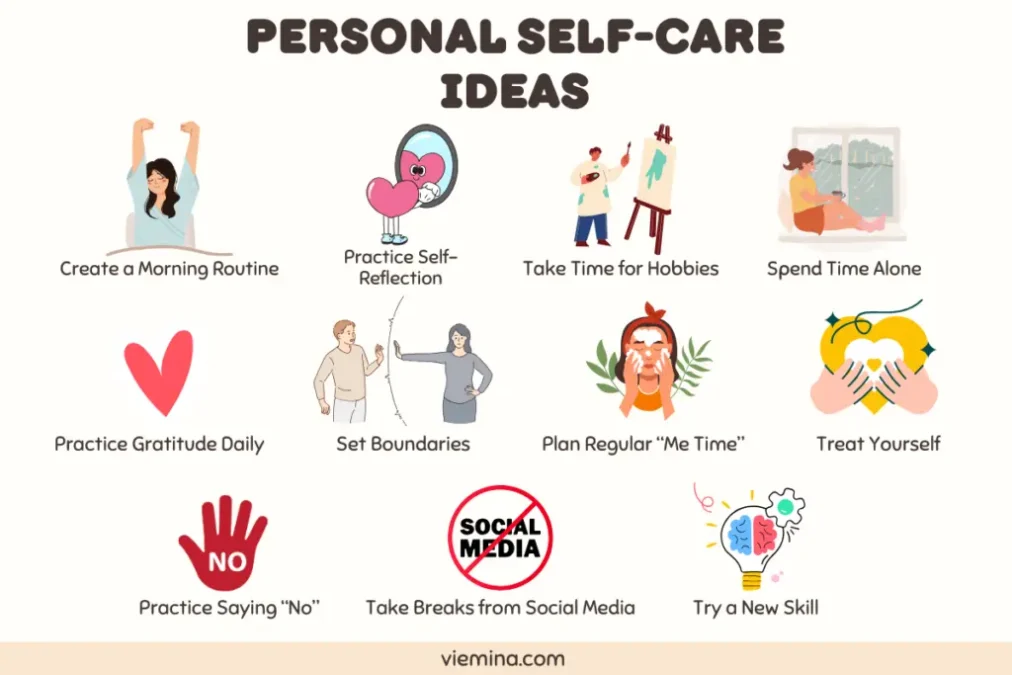
A mental self care routine is a structured approach to maintaining emotional balance, reducing stress, and supporting long-term psychological wellbeing. In modern life, people often focus on external success while neglecting internal health, which can lead to anxiety, burnout, and emotional fatigue. A consistent routine helps bring the mind back into balance by creating intentional space for reflection, rest, and emotional regulation throughout the day.
Understanding a mental self care routine is not about adding pressure to your life but about simplifying it. It involves small, repeatable actions such as mindfulness, journaling, and digital boundaries that collectively support mental clarity. When practiced consistently, these habits help individuals build resilience, improve focus, and develop a more stable emotional foundation for handling daily challenges.
A well-designed mental self care routine also helps people become more aware of their thoughts and emotions. Instead of reacting impulsively to stress, individuals learn to respond with calmness and clarity. Over time, this awareness leads to healthier relationships, improved decision-making, and a more balanced lifestyle overall.
Principles of a Sustainable Mental Self Care Routine
The foundation of a strong mental self care routine is sustainability. Many people fail because they try to change everything at once, but real improvement comes from consistency rather than intensity. Small daily habits, when repeated over time, create meaningful and lasting changes in emotional wellbeing.
Another essential principle is self-awareness. A mental self care routine should be based on understanding your emotional triggers, stress patterns, and personal needs. When you know what affects your mental state, you can design habits that directly support your wellbeing instead of following generic routines that may not fit your lifestyle.
Flexibility is also crucial for long-term success. Life changes, schedules shift, and stress levels fluctuate, so a rigid routine often breaks easily. A sustainable mental self care routine adapts to these changes while still maintaining core habits that provide emotional stability and mental clarity.
Morning Practices for a Balanced Mental Self Care Routine
The morning sets the emotional tone for the entire day, making it one of the most important parts of a mental self care routine. Starting the day without immediately engaging with screens allows the mind to wake up naturally, reducing stress and improving focus. Simple habits like deep breathing or hydration can help activate mental clarity.
A mindful morning routine can also include setting intentions for the day. This practice helps align thoughts and actions, making it easier to stay focused and calm throughout daily tasks. When the mind starts the day with purpose, it becomes more resilient to distractions and emotional triggers.
In addition, gentle movement such as stretching or a short walk can significantly improve mood and energy levels. These small physical activities support both mental and emotional wellbeing, making them a powerful part of any mental self care routine designed for long-term balance.
Midday Reset Techniques for Emotional Stability

Midday is often when mental fatigue begins to build, especially during work or study hours. Incorporating short breaks into your mental self care routine can help reset focus and prevent burnout. Even a few minutes away from tasks allows the brain to recover and process information more effectively.
Simple techniques such as mindful breathing, stepping outside for fresh air, or disconnecting from screens can restore emotional balance. These small resets help reduce stress accumulation and improve productivity without overwhelming the mind. Over time, they become essential tools for maintaining stability throughout the day.
Another important midday habit is emotional awareness. Checking in with your feelings and recognizing stress early can prevent emotional overload. A strong mental self care routine includes these micro-moments of reflection that help maintain clarity and prevent mental exhaustion.
Evening Wind-Down and Recovery Habits
Evening routines play a critical role in emotional recovery and preparing the mind for restful sleep. A structured mental self care routine at night helps signal to the brain that the day is ending, allowing it to gradually slow down. Reducing screen exposure is especially important during this time.
Activities such as reading, journaling, or listening to calming music can help release mental tension. These practices encourage reflection and emotional processing, which is essential for long-term mental stability. When the mind is allowed to unwind properly, sleep quality naturally improves.
Creating a consistent bedtime routine also strengthens the overall mental self care routine. Regular sleep patterns support emotional regulation, improve focus, and reduce anxiety levels. Over time, this leads to better overall mental resilience and energy balance.
Emotional and Cognitive Self Care Strategies
Emotional and cognitive health are central to any effective mental self care routine. Developing emotional awareness allows individuals to understand and manage their feelings more effectively. Instead of suppressing emotions, acknowledging them creates space for healing and clarity.
Practices such as journaling, self-reflection, and mindful thinking help organize thoughts and reduce mental clutter. These strategies improve decision-making and reduce overthinking, which is often a major source of stress in daily life.
A healthy mental self care routine also encourages self-compassion. Treating yourself with kindness during difficult moments helps reduce negative self-talk and builds emotional resilience. This shift in mindset can significantly improve long-term mental wellbeing and inner stability.
Physical Lifestyle Habits That Support Mental Health
Physical health has a direct impact on emotional wellbeing, making it an essential part of any mental self care routine. Regular exercise helps release endorphins, which naturally improve mood and reduce stress levels. Even light activities like walking or stretching can make a meaningful difference.
Nutrition also plays a vital role in mental clarity. A balanced diet supports brain function, energy levels, and emotional regulation. When the body is properly nourished, the mind becomes more stable and focused throughout the day.
Sleep quality is another critical factor. Poor sleep can negatively affect mood, concentration, and stress tolerance. A consistent mental self care routine that prioritizes rest helps restore both physical and emotional energy, leading to better overall wellbeing.
Building a Personalized Routine and Long-Term Benefits
A truly effective mental self care routine must be personalized. Everyone has different stress triggers, schedules, and emotional needs, so there is no universal approach. Building a routine that fits your lifestyle ensures long-term consistency and effectiveness.
Starting small is the key to success. Instead of overwhelming yourself with multiple habits, focus on one or two meaningful changes. As these become natural, you can gradually expand your mental self care routine to include additional practices that support your wellbeing.
Over time, a consistent routine leads to improved emotional stability, reduced anxiety, better focus, and stronger resilience. It also enhances relationships and overall quality of life, making mental self-care a powerful foundation for personal growth and long-term success.
Conclusion
A well-structured mental self care routine is not a luxury but a necessary part of modern living. It helps individuals manage stress, improve emotional balance, and build healthier daily habits that support long-term wellbeing. The key is consistency, not perfection.
By integrating simple morning, midday, and evening practices, along with emotional and physical care strategies, anyone can develop a sustainable routine. Over time, these small actions create a powerful shift in mental clarity, resilience, and overall life satisfaction.
You may also read: Daily Emotional Wellness Practices for a Balanced Life