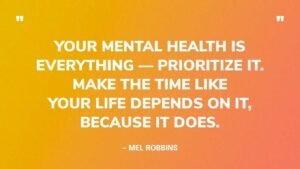
In our fast-paced modern world, the overwhelming urge to take a break is a universal feeling shared by busy professionals, dedicated students, and hard workers alike. Pausing your hectic daily routine is far more than an optional luxury; it serves as an absolute necessity for mental recharge, emotional stability, and overall long-term personal health. Choosing to step away from your daily burdens allows you to return to your tasks with newfound cognitive clarity, significantly higher energy levels, and much sharper problem-solving focus. When you grant yourself permission to pause, you actively break the cycle of chronic stress that degrades daily performance.
Beyond its traditional conversational usage, “Take a Break” has evolved into a massive digital entertainment movement that dominates online culture. Millions of eager online viewers regularly tune into the hugely popular YouTube channel Take A Break to enjoy highly relatable comedy sketches, heartwarming family dramas, and engaging slice-of-life web series. This comprehensive guide thoroughly explores both the literal physical need to take a break for your personal wellness and the top-tier comedy entertainment that turns those fleeting rest moments into deeply enjoyable, stress-relieving experiences. By understanding how to balance physical recovery with quality entertainment, you can transform brief daily pauses into powerful tools for sustainable success.
Understanding the Meaning and Definition of “Take a Break”
From a strict linguistic perspective, the phrase to Take a Break functions as a ubiquitous English idiom that means to temporarily pause a continuous action, work project, or study session for rest, relaxation, or nourishment. Major standard dictionaries define this essential concept as stepping away from demanding professional work, intense driving, or prolonged mental concentration to actively regain physical and cognitive strength. The underlying grammar emphasizes a brief, intentional hiatus rather than a permanent stoppage, ensuring that you return to your primary obligations feeling completely revitalized and focused. Understanding this definition helps individuals recognize that rest is a necessary bridge to productivity rather than an act of sheer laziness.
In modern practical environments, this crucial concept manifests across several distinct settings, each offering unique benefits for physical and mental recovery. In corporate workplace settings, it typically translates into casual coffee pauses, brief outdoor walking breaks, or quiet moments completely away from your primary computer workstation. In the vast digital realm, choosing to take a break explicitly means stepping away from bright electronic screens, silencing overwhelming notifications, and resting your heavily strained eye muscles. Recognizing the precise moment your mind requires a gentle breather represents the foundational first step toward building a highly effective, health-conscious, and sustainable daily work routine.
The Science and Psychology Behind Taking Regular Breaks
Rigorous scientific research consistently demonstrates that human brains were never biologically designed for continuous, uninterrupted hours of focus. When you stubborn readers refuse to take a break during extended study or work sessions, your overall cognitive performance steadily declines, resulting in mental fatigue, severe decision fatigue, and significantly higher operational error rates. Short, strategically scheduled pauses allow your neural pathways to consolidate newly acquired information, process complex logical problems in the background, and effectively prevent severe professional burnout over long periods. Giving your brain structured downtime restores depleted willpower and keeps your creative instincts remarkably sharp.
Integrating well-structured rest pauses into your daily calendar dramatically elevates your emotional mood while simultaneously protecting your physical health. Practicing gentle physical stretches, staying properly hydrated, and implementing the renowned 20-20-20 screen rule safeguards your eyesight and reduces bodily tension accumulated from sedentary habits. Furthermore, major digital platforms like YouTube now build native “Take a Break” notification features directly into their mobile interfaces, actively empowering users to track screen time, curb mindless scrolling, and maintain a healthier, far more balanced lifestyle in an increasingly hyper-connected digital ecosystem.
“Take A Break” Entertainment: Hits, Web Series, and Sketches
:quality(75) "Take a Break")
When the work is finally done and it is time to unwind, digital entertainment provides an immediate, highly effective mood boost. The hit digital platform and YouTube channel Take A Break has captured the hearts of millions of subscribers worldwide by producing exceptionally written, slice-of-life comedy sketches. Their expert creative productions brilliantly mirror everyday cultural realities, complex domestic interactions, and lighthearted family dynamics that resonate deeply across multiple generations of digital viewers seeking authentic laughter after a exhausting work day.
The channel boasts an impressive lineup of massively successful web series including Kaccha Aam, Maa-Munna, and Jamure, along with widely shared comedic sketches tackling relatable lifestyle topics like urban street food culture, relatable family chaos, and career-related pressure. Tuning into these short, witty videos whenever you take a break triggers natural endorphin releases throughout your body, melting away chronic workplace stress and offering the ultimate mental reset before you dive back into your daily responsibilities. Combining comedic relief with intentional rest ensures that your breaks are both restorative and genuinely fun.
How to Choose the Perfect Way to Take Your Break
Selecting the most restorative style of rest depends entirely on your current state of physical exhaustion, mental fatigue, and available personal time. Active rest—which includes stepping outside for a brisk walk, gently stretching tight muscles, or preparing a fresh, hydrating beverage—works exceptionally well if you have been sitting motionless at a computer desk for hours on end. Conversely, passive rest—such as watching an amusing comedy sketch, listening to soothing music, or resting your eyes in a quiet room—is ideal when your brain suffers from intense analytical burnout and requires total relaxation.
Effective time management plays a pivotal role in structuring your personal downtime to yield maximum psychological benefit without disrupting your overall busy daily schedule. A quick five-minute pause is perfectly suited for practicing deep breathing exercises, hydrating, or watching a short video reel on your phone. A slightly longer fifteen-minute window allows you to enjoy a full stand-up comedy clip or take a soothing outdoor stroll, while a dedicated thirty-minute block provides ample time to sit down with a full web series episode or enjoy a completely screen-free meal. Tailoring your rest style directly to your immediate physical and mental state ensures maximum recovery in minimal time.
Conclusion
Finding a healthy, deliberate balance between intense professional effort and meaningful personal rest is the ultimate secret to sustaining long-term productivity, creative energy, and genuine personal happiness. Learning to listen attentively to your body’s subtle warning signals and deciding to take a break when needed actively prevents debilitating burnout, sharpens your everyday cognitive performance, and guards your mental well-being against the relentless pressure of the modern world. Prioritizing scheduled rest establishes a firm foundation upon which true, sustainable achievement is built.
Whether your preferred method of recharging involves taking a quick walk through nature or enjoying a hilarious digital comedy sketch on YouTube, making rest a mandatory priority will transform your everyday life. Make conscious, guilt-free relaxation a permanent fixture of your daily calendar starting today, and experience the immense mental, physical, and emotional rewards of a truly balanced lifestyle. Remind yourself that taking time for your well-being is never time wasted—it is the ultimate fuel for your ongoing success and overall life satisfaction.
Frequently Asked Questions (FAQs)
What does “take a break” mean in plain English?
The standard phrase means to pause an ongoing task, physical work, or intense study session for a temporary period in order to rest, eat, relax, or regain depleted energy before returning to finish your responsibilities.
What is the YouTube channel “Take A Break”?
Take A Break is a highly popular digital entertainment brand and YouTube channel with millions of subscribers, famous for producing relatable Indian comedy sketches, family-oriented web series like Kaccha Aam, and funny slice-of-life content.
How often should I take a break while working or studying?
Leading productivity experts generally recommend taking a 5-minute pause every 25 to 30 minutes (commonly known as the Pomodoro technique) or scheduling a comprehensive 15-minute rest period every 60 to 90 minutes of continuous focus.
How do I turn on the “Take a Break” reminder on YouTube?
To activate this setting, simply open your YouTube mobile app, navigate to Settings > General, toggle the “Remind me to take a break” switch to the on position, and customize your preferred reminder frequency interval.
Why is watching comedy a good way to rest?
Watching quality comedy triggers natural endorphin release, actively lowers stress hormones like cortisol, releases muscular tension, and provides your analytical brain with a complete, highly enjoyable emotional reset.
You may also read: How to Quickly Locate an A&E Near Me