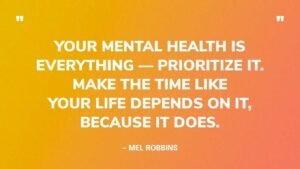
Most people believe weight loss depends entirely on exercise routines and strict diet plans. While nutrition and physical activity are important, they are only part of the process. Long-term success often depends on building strong mental habits for weight loss that support healthy daily decisions. A person may follow the perfect meal plan for a few weeks, but without the right mindset, old habits usually return. Sustainable progress begins when the brain learns to support healthier behaviors naturally and consistently.
Mental health also affects how people react to stress, cravings, motivation, and emotional pressure. Negative thinking patterns often lead to overeating, comfort eating, or giving up after small setbacks. Developing a healthier mindset improves emotional balance and helps create realistic expectations. Instead of chasing quick results, successful people focus on consistency and long-term growth. Building mental strength creates a healthier relationship with food, exercise, and self-discipline, making weight loss more manageable and less emotionally exhausting.
Mindful Eating Helps You Regain Control
Mindful eating is one of the most effective mental habits for weight loss because it teaches people how to pay attention to their body’s natural hunger signals. Many individuals eat quickly while distracted by mobile phones, television, work stress, or social media. This habit makes it difficult for the brain to recognize fullness, often resulting in overeating. Slowing down during meals allows people to enjoy food properly while improving awareness of how much they actually need to feel satisfied.
Practicing mindful eating also helps reduce emotional eating patterns. Instead of using food as a way to escape stress or boredom, mindful eating encourages people to focus on the present moment. Taking time to notice taste, texture, and portion size can improve self-control naturally without extreme dieting. Over time, these small adjustments create healthier eating behaviors that are easier to maintain. This approach supports both physical wellness and mental health while reducing guilt and frustration around food choices.
Emotional Health Plays a Major Role in Weight Management
There is a strong connection between mental health and body weight. Stress, anxiety, emotional exhaustion, and poor sleep habits can all influence eating behaviors and motivation levels. Many people experience stronger cravings during stressful periods because the brain seeks comfort and temporary emotional relief. Unfortunately, emotional eating often leads to unhealthy food choices that provide short-term satisfaction but create long-term health problems.
Learning how to manage emotional triggers is essential for anyone trying to improve their lifestyle. Healthy coping strategies such as walking, meditation, journaling, and breathing exercises can reduce stress levels significantly. Mental health awareness campaigns frequently highlight the importance of emotional wellness in maintaining physical health. When people improve emotional balance, they often notice better energy levels, improved motivation, and more control over cravings. Protecting mental wellness supports healthier habits and creates a stronger foundation for long-term weight management success.
Positive Self-Talk Can Transform Your Progress

Negative self-talk quietly damages confidence and motivation during a weight loss journey. Many individuals constantly criticize themselves after small mistakes, creating feelings of guilt and frustration. Thoughts such as “I always fail” or “I will never lose weight” make healthy habits harder to maintain. These destructive thought patterns increase emotional pressure and may lead to stress eating or giving up completely after temporary setbacks.
Replacing negative thinking with supportive self-talk creates healthier emotional habits. Encouraging thoughts help people stay focused even when progress feels slow. Reading mental health quotes, practicing gratitude, and celebrating small achievements can improve confidence over time. Instead of aiming for perfection, successful individuals focus on progress and consistency. One of the most valuable mental habits for weight loss is learning how to speak to yourself with patience, compassion, and understanding during difficult moments.
Small Daily Habits Create Lasting Results
Extreme diets and unrealistic workout plans often fail because they are difficult to maintain. Lasting transformation usually comes from small habits repeated consistently over time. Drinking more water, sleeping properly, preparing balanced meals, and taking daily walks may seem simple, but these actions create powerful long-term results. Sustainable routines help people stay on track without feeling mentally overwhelmed or physically exhausted.
Healthy daily habits also improve self-discipline naturally. Instead of relying only on motivation, routines make healthy choices feel automatic. This reduces decision fatigue and helps people remain consistent during stressful periods. Many successful individuals focus on gradual improvement rather than dramatic short-term changes. Small actions performed every day build momentum and confidence, making healthy living more realistic and achievable. Consistency is often far more powerful than temporary bursts of motivation or restrictive dieting trends.
Stress Management Supports Healthy Weight Loss
Stress affects both physical and emotional health in powerful ways. High stress levels increase cortisol production, which may lead to stronger cravings, emotional eating, and low energy levels. People under constant stress often struggle with sleep problems, reduced motivation, and unhealthy food choices. Without proper stress management, even well-designed diet plans can become difficult to maintain consistently over time.
Managing stress effectively improves emotional stability and helps support healthy routines. Simple activities such as exercise, meditation, stretching, or spending time outdoors can calm the mind and reduce emotional pressure. During Mental Health Awareness Week and World Mental Health Day, experts often emphasize the importance of managing stress for overall wellness. A calm and balanced mind makes it easier to stay disciplined, make healthier decisions, and maintain positive habits for long-term success.
Sleep and Recovery Influence Eating Habits
Sleep is one of the most overlooked factors in weight management. Poor sleep affects hunger hormones and increases cravings for high-calorie foods. People who do not get enough rest often feel tired throughout the day, making exercise and meal preparation more difficult. Sleep deprivation also increases emotional stress, which may encourage unhealthy eating patterns and reduce self-control.
Creating healthy sleep routines improves both physical recovery and mental clarity. Limiting screen time before bed, reducing caffeine intake, and maintaining a consistent sleep schedule can improve rest quality significantly. Better sleep supports emotional balance, energy levels, and healthier food choices throughout the day. Individuals who prioritize recovery often find it easier to maintain mental habits for weight loss because they feel more focused, calm, and physically prepared to make better lifestyle decisions.
Building a Healthy Relationship With Food Matters
Many people develop unhealthy emotional relationships with food during childhood or stressful periods in life. Some use food for comfort, while others associate eating with guilt and shame. These emotional patterns can create cycles of overeating, restriction, and frustration that damage both physical and mental health over time. Sustainable weight loss requires balance rather than fear or punishment around eating.
Developing a healthier relationship with food means learning moderation instead of extreme restriction. People should feel comfortable enjoying meals without constant guilt or anxiety. Balanced nutrition supports energy, emotional stability, and long-term wellness without requiring unrealistic dieting rules. One of the strongest mental habits for weight loss is understanding that healthy eating should feel supportive rather than stressful. Creating balance allows people to maintain healthier choices naturally without emotional pressure or burnout.
Long-Term Thinking Creates Sustainable Success
Quick-fix diets often promise rapid results, but they rarely support long-term success. Many individuals lose weight temporarily only to regain it later because the underlying habits never changed. Sustainable transformation happens when people adopt healthier lifestyles that fit naturally into everyday routines. Long-term thinking reduces pressure and encourages realistic progress instead of chasing perfection.
People who achieve lasting success understand that healthy living is a continuous process rather than a temporary challenge. They focus on consistency, patience, and emotional resilience instead of short-term results. Building strong mental habits for weight loss helps individuals remain committed even during difficult periods. Lasting change happens gradually through small improvements repeated consistently over time. A balanced mindset creates healthier behaviors that support both emotional wellness and physical health for years to come.
Conclusion
Developing healthy mental habits for weight loss can completely transform the way people approach fitness, nutrition, and emotional well-being. Lasting results rarely come from extreme diets or temporary motivation alone. Instead, sustainable success grows through mindful eating, emotional awareness, stress management, positive thinking, and consistent daily routines. These habits strengthen both the mind and body while creating a healthier and more balanced lifestyle.
Weight loss becomes more achievable when people focus on long-term wellness instead of perfection. Improving mental health, building supportive habits, and practicing self-compassion all contribute to sustainable progress. Small mindset changes may seem simple at first, but over time they create powerful results that improve confidence, energy, and overall quality of life. A healthy mindset is often the missing piece that turns temporary effort into lifelong success.
You may also read: The Power of Positive Self-Talk During Workouts