Introduction
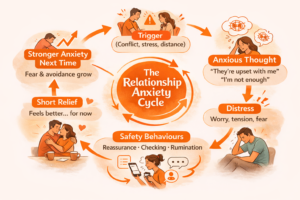
Social anxiety in relationships is a common but often overlooked challenge. It can make even everyday interactions with a partner, friend, or family member feel overwhelming. Individuals may experience intense fear of judgment, rejection, or embarrassment, which can lead to overthinking, withdrawal, or avoidance. The good news is that social anxiety can be managed through natural strategies that reduce stress and promote confidence. By learning to cope with anxiety effectively, it is possible to create stronger, healthier, and more fulfilling relationships.
Experiencing social anxiety does not mean you are weak or incapable of maintaining meaningful connections. It is a normal response to certain social pressures, but when left unaddressed, it can interfere with emotional intimacy and personal happiness. Recognizing the signs early and implementing natural methods for stress reduction can transform your relationship experiences. This article explores effective ways to manage social anxiety, including lifestyle adjustments, supplements, relaxation techniques, and confidence-building strategies.
Understanding Social Anxiety in Relationships
Social anxiety in relationships involves a persistent fear of negative evaluation or rejection during social interactions. This anxiety often leads to overanalyzing conversations, avoiding eye contact, or constantly worrying about how others perceive you. For those affected, even small gestures, like expressing an opinion or making plans, can feel daunting. Social anxiety can affect romantic relationships, friendships, and family connections, creating barriers to communication and intimacy. Understanding the nature of this anxiety is crucial for finding solutions that genuinely work.
The emotional impact of social anxiety can be profound. People often feel isolated, misunderstood, or emotionally exhausted because their anxiety prevents them from fully engaging with loved ones. Physical symptoms, such as a racing heart, sweaty palms, or tension, may accompany these feelings. Awareness of both the psychological and physiological aspects of social anxiety allows individuals to approach treatment holistically. By addressing the root causes and triggers, it is possible to regain confidence and enjoy more relaxed interactions.
Common Causes of Social Anxiety in Relationships
Social anxiety often stems from multiple sources. Past experiences, such as childhood trauma, bullying, or previous heartbreak, can leave lasting emotional scars. These experiences may instill fear of judgment or rejection, which can resurface in adult relationships. Additionally, low self-esteem or self-worth can amplify anxiety, making individuals doubt their value in the eyes of others. Over time, these internalized fears can manifest in avoidance behaviors and heightened sensitivity to perceived criticism.
Biological and psychological factors also contribute to social anxiety in relationships. Genetics, brain chemistry imbalances, and heightened stress responses may predispose individuals to anxiety. Certain personality traits, such as perfectionism or high sensitivity, can increase vulnerability. Recognizing these contributing factors allows for a more compassionate approach to managing anxiety. Rather than blaming oneself, individuals can focus on practical strategies that address both emotional patterns and lifestyle factors for long-term improvement.
Natural Ways to Reduce Social Anxiety
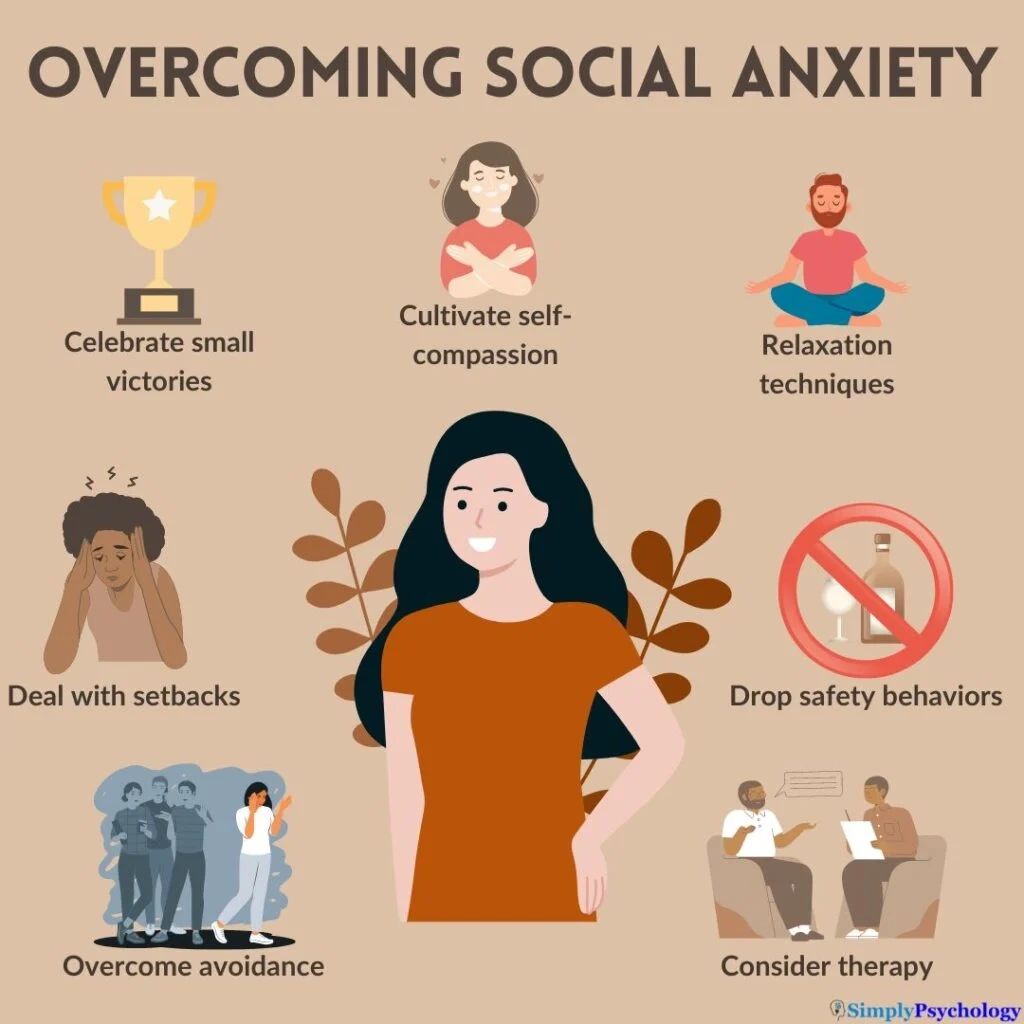
Addressing social anxiety naturally requires a holistic approach that combines lifestyle changes, supplements, relaxation techniques, and mental practices. Regular exercise is one of the most effective strategies for reducing stress and enhancing mood. Activities like walking, yoga, or swimming release endorphins, the body’s natural “feel-good” chemicals, which reduce anxiety and improve overall emotional resilience. Paired with a balanced diet, adequate sleep, and mindfulness practices, these lifestyle adjustments can create a solid foundation for managing social anxiety in relationships.
Herbal supplements and vitamins can complement these lifestyle strategies. Adaptogens such as ashwagandha and rhodiola rosea help the body respond to stress by regulating cortisol levels. Amino acids like L-theanine promote relaxation without causing drowsiness, while magnesium and B-complex vitamins support neurotransmitter production for emotional balance. Herbal remedies such as chamomile, lavender, and lemon balm are widely recognized for their calming effects. Incorporating these natural remedies can provide measurable relief when combined with consistent behavioral practices and mindfulness techniques.
Relaxation exercises play a crucial role in controlling anxiety. Deep breathing, progressive muscle relaxation, and guided visualization can reduce heart rate, lower tension, and promote a sense of calm. These methods can be practiced anywhere, making them practical tools for managing anxiety during conversations or social events. Daily practice allows these techniques to become second nature, enabling individuals to respond to social situations with greater confidence and less stress.
Journaling and cognitive practices also support emotional management. Writing down fears, triggers, and experiences helps increase self-awareness and provides insight into recurring patterns. Cognitive Behavioral Therapy (CBT) techniques, such as reframing negative thoughts and challenging self-critical beliefs, can be applied at home to improve perspective. Gradually confronting social fears with structured exercises allows individuals to build resilience while reducing the intensity of anxious reactions in real-life relationships.
Building Confidence in Relationships
Confidence in relationships develops through intentional practice and self-awareness. Communication skills are essential, including active listening, clear expression of thoughts, and assertiveness. These skills help reduce misunderstandings and promote trust. Setting healthy boundaries ensures that personal needs are respected, fostering a balanced dynamic between partners. Gradual exposure to social situations, paired with positive reinforcement, allows individuals to experience success and grow self-assurance over time.
Self-compassion and positive self-talk are equally important. People with social anxiety often focus on perceived failures or flaws, which undermines confidence. Practicing kindness toward oneself and recognizing small achievements can gradually shift mindset. Celebrating progress, no matter how minor, reinforces the belief that meaningful connection is possible. Over time, these strategies reduce fear and create a more confident approach to navigating relationships.
Tips for Supporting a Partner or Loved One
Supporting someone with social anxiety in relationships requires patience, empathy, and understanding. Providing a safe environment for open communication is crucial. Encouragement, reassurance, and gentle guidance can motivate individuals to try coping strategies or seek professional help. Avoiding judgment and criticism helps create trust and emotional security, allowing both partners to work collaboratively toward healthier interactions.
Encouraging healthy routines, such as shared mindfulness exercises or relaxation techniques, can strengthen support networks. Offering opportunities for positive social experiences without pressure helps reduce fear gradually. Understanding that progress may be slow and nonlinear is essential for maintaining patience. By modeling calm, supportive behavior, partners can reinforce coping strategies and help their loved one feel valued and understood.
When to Seek Professional Help
Although natural methods can be highly effective, professional help may be necessary in more severe cases of social anxiety. Therapy options, including Cognitive Behavioral Therapy (CBT), counseling, or group therapy, provide structured guidance and evidence-based strategies for overcoming anxiety. In certain situations, healthcare professionals may recommend medication to supplement these approaches, particularly when anxiety significantly interferes with daily life or relationship quality.
Recognizing the signs that professional support is needed is vital. Persistent anxiety that affects work, friendships, or family dynamics should not be ignored. Seeking help early can prevent social anxiety from worsening and improve long-term relationship outcomes. Combining natural strategies with professional interventions often yields the most successful and sustainable results.
Conclusion
Social anxiety in relationships can feel limiting, but it is manageable with the right strategies. Combining lifestyle changes, herbal supplements, relaxation exercises, and confidence-building practices creates a holistic approach that promotes emotional balance and reduces stress. With patience, consistent effort, and self-compassion, individuals can transform their relationship experiences. Gradual steps toward confronting anxiety, building self-esteem, and fostering positive interactions allow for deeper connections and more fulfilling relationships.
FAQs
Q: What is social anxiety in relationships?
A: Social anxiety in relationships is an intense fear of judgment, rejection, or embarrassment in interactions with partners, friends, or family. It can affect communication, intimacy, and emotional connection.
Q: Can natural supplements help with social anxiety?
A: Yes. Supplements like ashwagandha, L-theanine, magnesium, and B-complex vitamins can reduce stress, support neurotransmitters, and promote relaxation, making it easier to manage social anxiety.
Q: How can I build confidence while dealing with social anxiety?
A: Practicing mindfulness, positive self-talk, communication skills, assertiveness, and gradual exposure to social situations helps boost confidence and reduce fear.
Q: Are lifestyle changes effective for managing social anxiety?
A: Absolutely. Regular exercise, healthy nutrition, sufficient sleep, and mindfulness practices improve emotional regulation and resilience, significantly reducing anxiety symptoms.
Q: When should I seek professional help for social anxiety?
A: If anxiety severely affects daily life, relationships, or work, consulting a therapist or healthcare professional is recommended. Professional support can provide structured guidance and additional treatment options.
You may also read: Top Herbal Adaptogens for Stress Relief