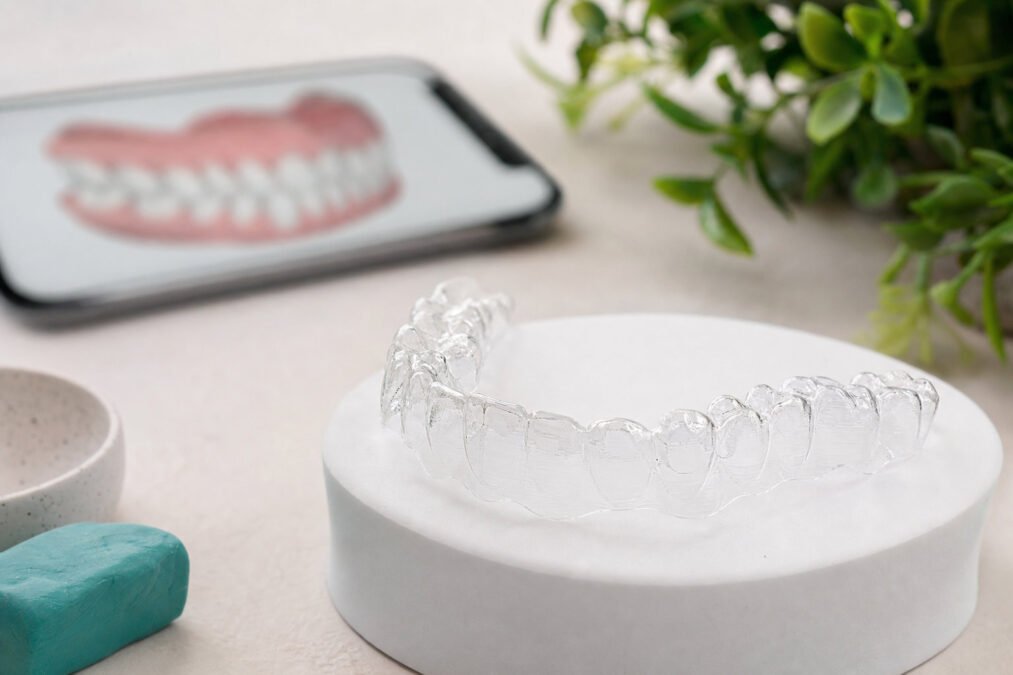
Clear aligners have changed orthodontic care by providing a discreet and convenient alternative for achieving straighter teeth. Recent advancements in materials, digital planning, and clinical protocols mean aligners can now offer improved comfort and outcomes for many patients. Understanding these changes helps people considering clear aligners make informed decisions about their dental health and results.
The appeal of clear aligners stems from their almost invisible appearance, improved comfort, and flexible lifestyle integration compared to fixed braces. Invisalign London, for example, reflects how more people now consider aligners for mild to moderate dental corrections because of convenience and the predictability they may offer. As clear aligners have developed, the focus includes achieving greater precision, enhancing patient experience, and prioritising safety.
Staying up to date with these changes ensures that you can weigh the benefits and considerations as you discuss orthodontic options with a dental professional.
Understanding staged tooth movement and treatment safety
Clear aligners work by using a series of custom-made trays that gradually shift teeth into desired positions over time. Each tray applies gentle pressure to specific teeth, moving them incrementally according to a computer-guided treatment plan. Careful mapping of tooth movement aims to achieve safe and predictable outcomes.
Effective treatment relies on high-quality digital scans and advanced software that simulate each step of movement before starting the aligner sequence. Accurate planning is not only important for achieving straight teeth but also for helping to ensure that movement does not harm gums, tooth roots, or surrounding bone. This ongoing emphasis on safety underpins continued innovation in clear aligner technology.
Digital advances and material improvements shape outcomes
Recent years have seen digital scanning technology become faster and more precise, allowing clinicians to capture detailed 3D images of teeth. These scans inform aligner production and enable accurate treatment simulations, leading to aligners that fit better and support improved results.
Material science has also played a significant role in developing clear aligner comfort and function. Newer materials can provide increased flexibility, durability, and stain resistance, making them more comfortable for daily wear. Similarly, improved attachment designs, tiny tooth-coloured shapes applied to the teeth, have broadened the range of movement clear aligners can achieve compared to earlier generations.
Suitability of aligner treatment and realistic expectations
Clear aligners are typically best suited for those with mild to moderate crowding, small gaps, or certain bite concerns such as minor overbites or underbites. More complex issues such as significant bite corrections, severely rotated teeth, or major vertical problems often still require fixed braces or other orthodontic methods. Many adults and teenagers opt for clear aligners because they balance discretion with convenience for common orthodontic concerns.
It is important to maintain realistic expectations when considering aligner treatment, as results depend on following your orthodontist’s guidance and wearing the trays for the recommended hours each day. Without regular monitoring or consistent use, progress may slow or reverse. Regular check-ins help maintain a safe and stable outcome.
In many cases, digital monitoring tools can support patient adherence and may help identify issues early during the aligner process.
Managing risks, oral health, and long-term stability
Properly planned aligner therapy carries some risks, including gum irritation, bite changes, or enamel wear if the tray sequence or instructions are not followed. Aligners should move teeth gradually and with appropriate support to avoid affecting the health of tooth roots or surrounding tissues.
Your oral health remains crucial during aligner treatment. Maintaining excellent brushing and flossing habits is essential to protect gums and enamel. Because aligners are removable, most people find it easier to keep up hygiene routines than with fixed braces. Consistent wear is necessary, though; if trays are not worn 20 to 22 hours per day, treatment time may be prolonged or results may not be as expected.
Lifestyle benefits, compliance challenges, and professional guidance
The removability of clear aligners allows you to eat and drink with few restrictions, something many patients appreciate. Brushing and flossing are typically easier, which can help lower the risk of plaque-related issues seen with fixed braces. These lifestyle advantages contribute to aligners’ popularity among adults seeking convenient orthodontic options.
Success with clear aligners depends on wearing trays as directed and attending all progress checks. Discussing aligner suitability, expected treatment timeline, and the need for post-treatment retainers with a dental professional can support a stable result. Guidance from an orthodontist helps clarify what to expect and how to maintain your results over time.
Advances in clear aligner technology, such as digital planning, new materials, and improved monitoring, have increased what these devices can achieve for various patients. Staying informed and seeking professional advice are essential for achieving lasting, healthy outcomes with modern orthodontic solutions.