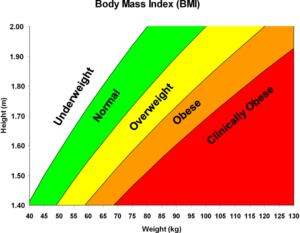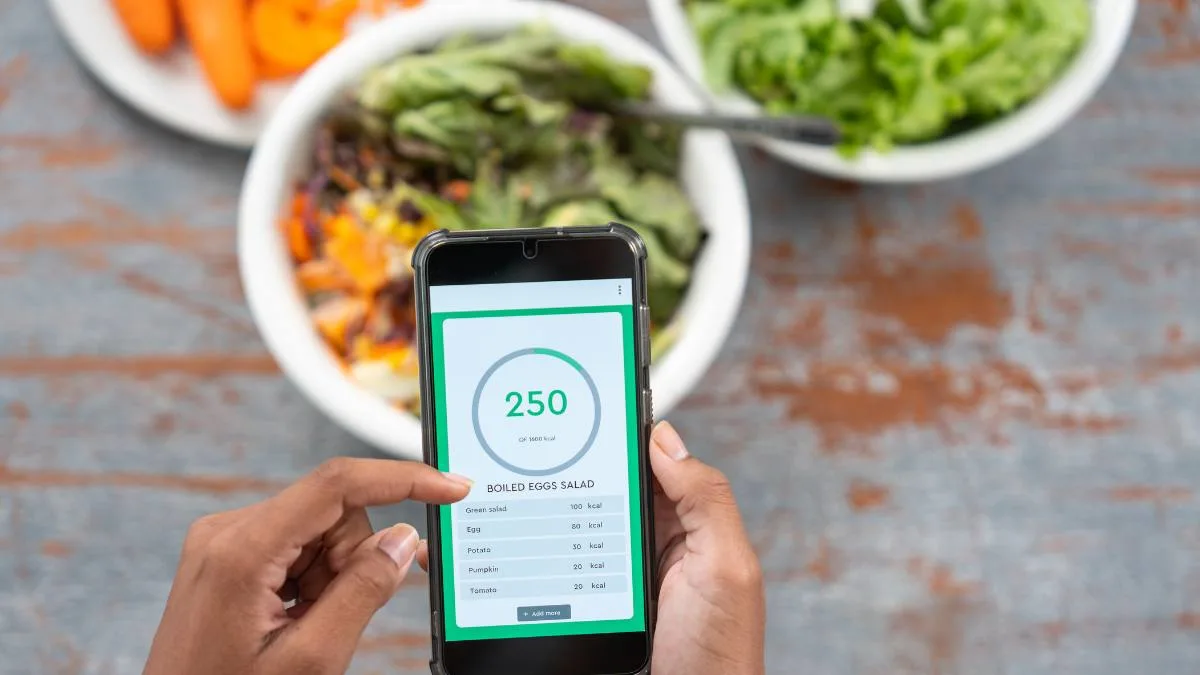
Achieving and maintaining a healthy weight has become easier than ever thanks to the rapid development of digital health technology. Today, weight loss tracking apps help millions of people monitor their eating habits, physical activity, calorie intake, and overall progress from a single device. Instead of relying on paper journals or memory, users can access real-time data that supports informed decisions and encourages consistency. This convenience has made mobile tracking tools a valuable part of many successful weight management journeys.
The popularity of weight loss tracking apps continues to grow because they provide practical solutions for everyday challenges. Whether someone is trying to lose a few pounds, build healthier habits, or improve athletic performance, these apps offer personalized insights and measurable results. Many platforms now include advanced features such as artificial intelligence, nutrition analysis, and wearable device integration, making them far more effective than traditional tracking methods.
Understanding How Weight Loss Tracking Apps Work
At their core, weight loss tracking apps are designed to collect and organize health-related information. Users can log meals, monitor calorie consumption, record exercise sessions, and track changes in body weight over time. This information is then converted into reports, charts, and recommendations that help users understand their progress and identify opportunities for improvement.
Most modern applications go beyond simple calorie counting. They analyze nutritional intake, estimate energy expenditure, and provide customized suggestions based on personal goals. By combining data collection with actionable feedback, these tools help users make smarter choices regarding food, exercise, and daily habits. This data-driven approach often leads to greater awareness and improved long-term outcomes.
Features That Make the Best Weight Loss Tracking Apps Stand Out
Not all weight loss tracking apps deliver the same experience. The most effective platforms include comprehensive food databases that allow users to quickly search meals, scan barcodes, and calculate nutritional values. Accurate calorie tracking remains one of the most important features because it helps individuals understand their energy balance and maintain realistic weight-loss goals.
Another important feature is activity tracking. Leading apps can connect with smartwatches, fitness bands, and health-monitoring devices to automatically record workouts, steps, heart rate, and calories burned. Additional functions such as hydration reminders, goal-setting tools, progress charts, and macro tracking provide a more complete picture of overall health and fitness performance, helping users stay motivated throughout their journey.
The Best Weight Loss Tracking Apps Available in 2026
Several weight loss tracking apps have established themselves as industry leaders because of their reliability, ease of use, and advanced functionality. MyFitnessPal remains one of the most widely recognized options thanks to its extensive food database and powerful calorie-tracking tools. Lose It! continues to attract beginners with its simple interface and user-friendly experience, while Noom focuses on behavioral psychology to encourage sustainable lifestyle changes.
Other popular choices include Cronometer, which provides detailed micronutrient analysis, and Simple, which specializes in intermittent fasting support. Fitbit, Google Fit, Lifesum, FatSecret, HealthifyMe, MyNetDiary, and WeightFit also offer unique advantages for different types of users. The ideal app ultimately depends on personal goals, preferred features, and the level of support required to maintain consistency.
Choosing the Right Weight Loss App for Your Goals
Selecting the right app starts with identifying your primary objective. Some users prioritize calorie tracking, while others focus on exercise monitoring, fasting schedules, or nutritional quality. Understanding what you hope to achieve helps narrow the options and ensures you choose a platform that supports your specific needs rather than overwhelming you with unnecessary features.
Ease of use should also be a major consideration. Even the most advanced application will have limited value if it feels complicated or time-consuming. A well-designed interface encourages consistent use, making it easier to build healthy habits over time. Compatibility with smartphones, wearables, and other health devices can further improve the user experience and increase long-term engagement.
Common Mistakes People Make When Using Weight Loss Tracking Apps
One of the biggest mistakes users make is failing to track consistently. Missing meals, forgetting snacks, or neglecting to log beverages can create inaccurate records that reduce the effectiveness of the app. Since these tools rely on data accuracy, even small omissions can impact calorie calculations and progress assessments.
Another common issue is focusing exclusively on calorie numbers while ignoring overall nutrition quality. Sustainable weight management involves more than simply reducing calories. A balanced diet that includes adequate protein, healthy fats, fiber, vitamins, and minerals supports better energy levels, improved recovery, and long-term health outcomes. Successful users view tracking as a tool for overall wellness rather than a strict calorie-counting exercise.
Privacy and Data Security Considerations
As health technology becomes more sophisticated, privacy has become an important topic for users of weight loss tracking apps. These platforms often collect information about eating habits, exercise routines, weight changes, and personal health goals. Understanding how this data is stored, processed, and shared can help users make informed decisions when selecting an app.
Most reputable developers provide detailed privacy policies and security measures designed to protect user information. Before creating an account, it is wise to review permissions and adjust settings based on personal preferences. Smartphone users can also take advantage of built-in privacy controls to limit unnecessary tracking while still enjoying the benefits of the application.
Maximizing Results with Weight Loss Tracking Apps
Consistency is one of the most important factors in achieving meaningful results. Users who log meals, record workouts, and monitor progress regularly are more likely to identify patterns that influence their success. Small daily actions often create significant long-term improvements when repeated consistently over weeks and months.
Setting realistic goals is equally important. Rather than focusing solely on rapid weight loss, successful users often prioritize sustainable habits that can be maintained over time. Celebrating smaller achievements such as improved nutrition, increased activity levels, or consistent tracking habits helps build momentum and encourages long-term commitment to healthier living.
Conclusion
Weight loss tracking apps have become essential tools for individuals who want to manage their health more effectively. By combining calorie tracking, activity monitoring, nutritional analysis, and personalized insights, these applications make it easier to understand daily habits and make informed decisions. Their ability to transform complex health data into actionable recommendations has contributed significantly to their growing popularity.
The best weight loss tracking apps are those that align with individual goals, preferences, and lifestyles. Whether you are looking for a simple calorie counter, a comprehensive fitness companion, or an advanced nutrition platform, there are excellent options available in 2026. When used consistently and combined with realistic expectations, these apps can play a valuable role in supporting long-term weight management and overall well-being.
You may also read: How to Improve Sleep for Fitness Results