Introduction
Cholesterol plays a vital role in the body, helping build cell membranes, produce hormones, and support digestion. However, having cholesterol levels outside the recommended range can increase the risk of heart disease, stroke, and other cardiovascular problems. In the UK, the NHS provides clear guidance on normal cholesterol levels UK to help adults monitor their health effectively. Understanding these ranges and how to manage cholesterol through lifestyle and medical care is essential for maintaining long-term heart health and overall well-being.
Knowing your cholesterol numbers is not only about meeting NHS targets; it’s about understanding the difference between healthy and harmful cholesterol. By staying informed, individuals can take proactive steps to reduce risk factors, such as improving diet, increasing physical activity, and avoiding harmful habits like smoking. This article will explain the key types of cholesterol, ideal ranges for adults in the UK, gender differences, age-related changes, and strategies to maintain optimal levels, ensuring readers can make informed health decisions.
What Is Cholesterol?
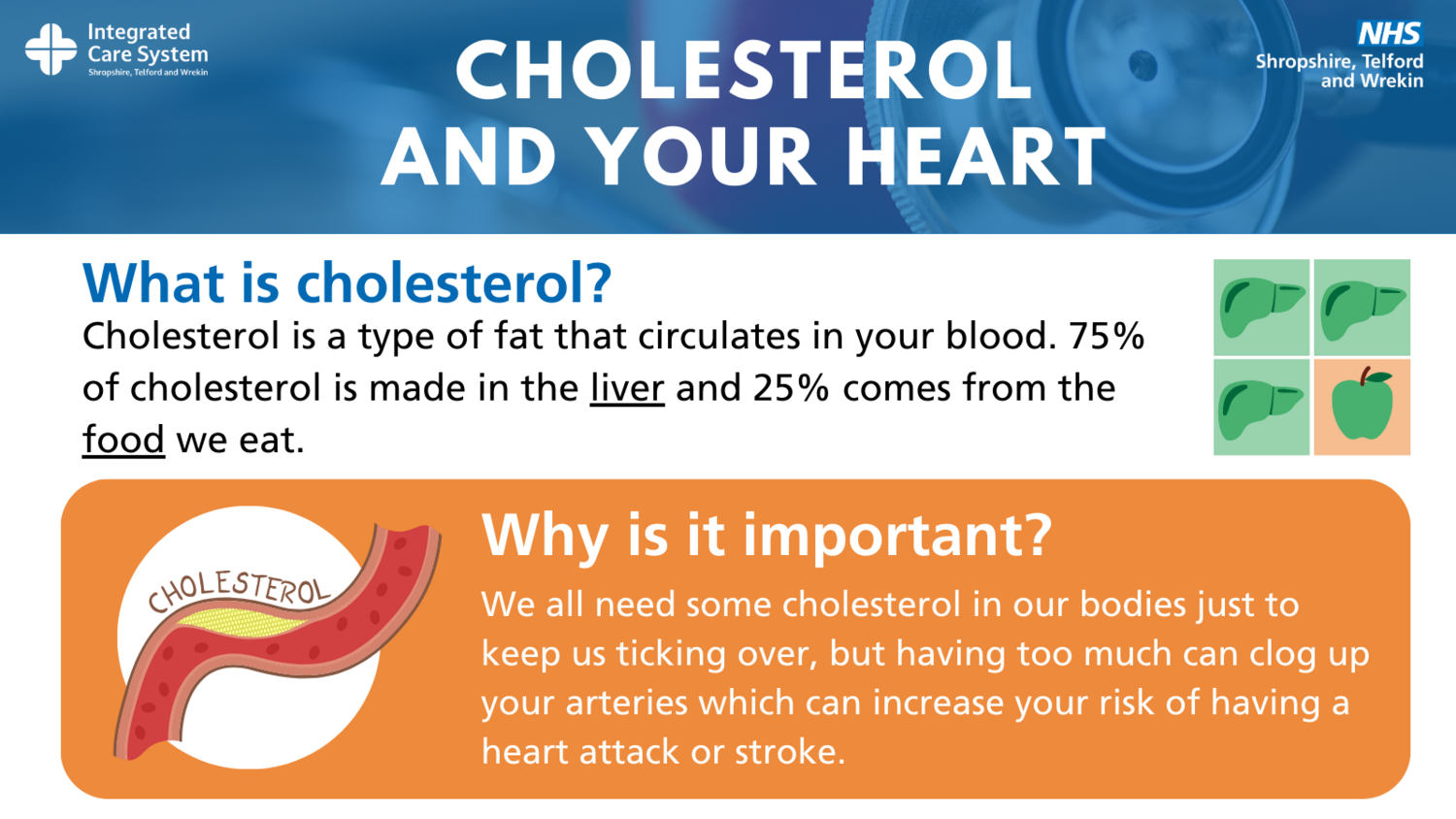
Cholesterol is a waxy, fat-like substance present in every cell of the body. It is essential for producing hormones like estrogen, testosterone, and cortisol, as well as aiding in the creation of vitamin D and bile acids that help digest fat. The body naturally produces cholesterol, but it is also obtained from foods such as meat, dairy, and eggs. While cholesterol is necessary for health, an imbalance can lead to dangerous build-up in arteries, increasing the risk of cardiovascular disease.
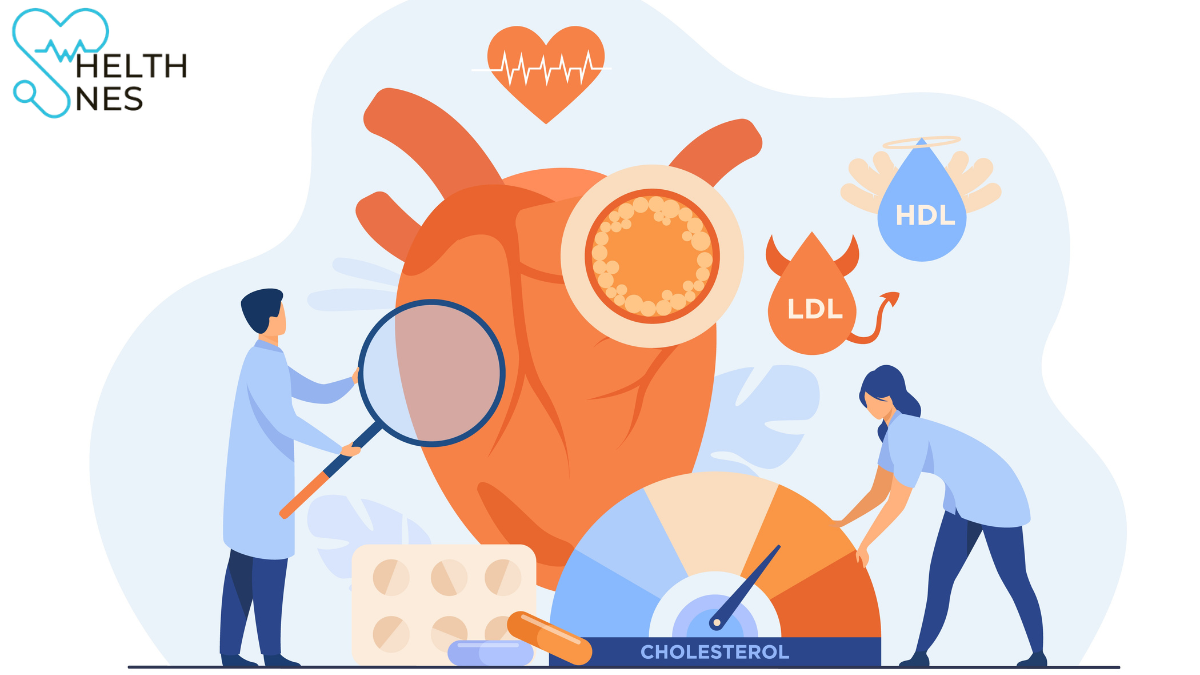
Cholesterol is divided into two main types: LDL (low-density lipoprotein) and HDL (high-density lipoprotein). LDL is often called “bad cholesterol” because excessive amounts can form plaque in the arteries, reducing blood flow and increasing the likelihood of heart attacks or strokes. HDL, known as “good cholesterol,” helps remove LDL from the bloodstream and transport it to the liver for processing. Understanding these types is key to maintaining normal cholesterol levels UK and protecting heart health over the long term.
Understanding Normal Cholesterol Levels UK
The NHS provides clear benchmarks for healthy cholesterol levels for adults in the UK. Total cholesterol should ideally be below 5 mmol/L, while LDL, or bad cholesterol, should be kept under 3 mmol/L. HDL, the protective cholesterol, should exceed 1.0 mmol/L for men and 1.2 mmol/L for women. Additionally, non-HDL cholesterol, which combines all harmful cholesterol types, should remain below 4 mmol/L. These ranges offer a comprehensive framework for evaluating cardiovascular health.
It is important to note that cholesterol levels are measured in millimoles per litre (mmol/L) in the UK, which differs from units used in other countries such as the United States. When interpreting results, healthcare professionals consider other factors such as age, weight, smoking habits, and pre-existing health conditions. Maintaining normal cholesterol levels UK is not just about numbers; it involves understanding how lifestyle, genetics, and medical conditions interact to influence overall heart health.
Normal Cholesterol Levels for Adults
For adults, maintaining cholesterol within recommended ranges is essential to reduce the risk of heart disease. Total cholesterol should be below 5 mmol/L, and LDL should remain under 3 mmol/L for the general population. However, individuals with a history of cardiovascular disease, diabetes, or high blood pressure may need lower targets to prevent complications. HDL cholesterol should stay above 1.0 mmol/L for men and 1.2 mmol/L for women, supporting the body’s natural defense against arterial plaque.
Adults who monitor their cholesterol regularly can make informed lifestyle choices that keep their levels within the normal range. This may include adopting a heart-healthy diet, engaging in regular exercise, and managing weight. Even small improvements in cholesterol can significantly reduce the risk of heart attacks and strokes. By understanding the importance of normal cholesterol levels UK, adults can take proactive steps to protect their long-term health and quality of life.
Normal Cholesterol Levels for Men and Women
Cholesterol levels differ between men and women due to hormonal variations and metabolic differences. Men generally require HDL levels above 1.0 mmol/L, whereas women benefit from slightly higher HDL, exceeding 1.2 mmol/L. LDL targets remain similar for both genders, but women’s naturally higher HDL levels provide additional cardiovascular protection. Gender-specific guidance ensures that test results are interpreted accurately and helps individuals take the right preventive measures.
Women experience changes in cholesterol levels across different life stages, particularly during menopause, when LDL may increase and HDL may decrease. Men, on the other hand, may see gradual increases in total cholesterol as they age. Understanding these differences is crucial for maintaining normal cholesterol levels UK and ensuring that both men and women take appropriate actions based on their unique health profiles.
LDL, HDL, and Non-HDL Cholesterol Explained
LDL, or bad cholesterol, is the primary contributor to arterial plaque and cardiovascular risk. High LDL levels can lead to atherosclerosis, which restricts blood flow and raises the chance of heart attacks or strokes. Conversely, HDL, or good cholesterol, helps clear excess LDL from the bloodstream, reducing plaque accumulation and supporting healthy circulation. Non-HDL cholesterol measures all potentially harmful cholesterol types, offering a complete view of cardiovascular risk.
Monitoring LDL, HDL, and non-HDL cholesterol is critical to understanding heart health. High LDL combined with low HDL signals an increased risk of cardiovascular complications, whereas balanced levels indicate a healthier profile. Tracking these numbers regularly helps individuals maintain normal cholesterol levels UK and make informed lifestyle or medical decisions to prevent long-term heart problems.
Cholesterol Levels by Age
Cholesterol naturally changes with age. Younger adults often have lower LDL and higher HDL, reflecting lower cardiovascular risk. However, middle-aged and older adults may experience increased total cholesterol, particularly LDL, which can accumulate over time. Women see notable changes during menopause, with LDL increasing and HDL sometimes declining. Regular testing allows for early detection and intervention, which can prevent serious health issues later in life.
Age-specific monitoring ensures that cholesterol remains within safe ranges for each stage of life. Lifestyle adjustments, dietary improvements, and regular physical activity can offset age-related increases in cholesterol. By understanding age-related trends, individuals can maintain normal cholesterol levels UK, supporting heart health and reducing the likelihood of cardiovascular events as they grow older.
How to Measure Your Cholesterol
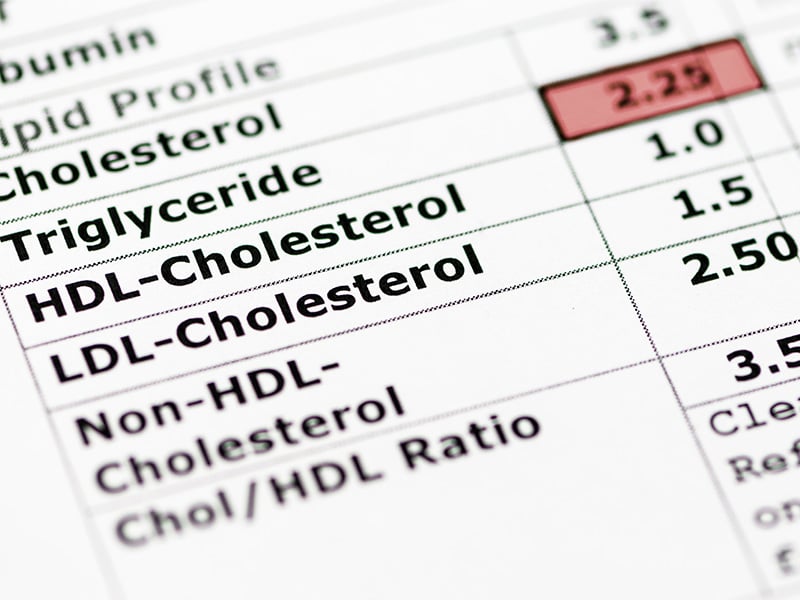
Cholesterol is measured through a simple blood test, which can be either fasting or non-fasting. A lipid panel reports total cholesterol, LDL, HDL, and triglycerides, providing a comprehensive snapshot of cardiovascular risk. The NHS recommends testing every 4–5 years for adults, though individuals with risk factors may require more frequent assessments. Accurate testing is crucial for maintaining normal cholesterol levels UK and identifying potential issues early.
Interpreting cholesterol results requires understanding both the numbers and personal health context. Factors such as age, gender, lifestyle, and existing medical conditions influence what is considered healthy. By consulting healthcare professionals and adhering to NHS guidance, individuals can make informed decisions and take proactive steps to protect their heart health over time.
Factors Affecting Cholesterol Levels
Several factors influence cholesterol levels, including diet, physical activity, genetics, and lifestyle habits. Diets high in saturated fats, trans fats, and processed foods can elevate LDL cholesterol, while a sedentary lifestyle may reduce HDL. Genetic predisposition also plays a significant role, as some individuals naturally produce more cholesterol. Additionally, conditions like diabetes, thyroid disorders, and certain medications can impact cholesterol readings.
Lifestyle changes can significantly influence cholesterol. Eating a balanced diet rich in fiber, maintaining regular physical activity, and avoiding smoking or excessive alcohol can help maintain normal cholesterol levels UK. Understanding these factors allows individuals to take control of their heart health and reduce the risk of long-term complications.
Tips to Maintain Healthy Cholesterol
Maintaining healthy cholesterol requires consistent effort and lifestyle awareness. Incorporate heart-healthy foods such as fruits, vegetables, whole grains, and unsaturated fats like olive oil or avocado. Regular exercise, such as walking, swimming, or cycling, can improve HDL levels while lowering LDL. Avoid smoking and limit alcohol intake, which can negatively affect cholesterol balance.
Regular check-ups and cholesterol testing are essential for monitoring progress and adjusting lifestyle strategies. Simple changes, when implemented consistently, can lead to significant improvements. By following NHS guidance and making informed decisions, individuals can achieve and maintain normal cholesterol levels UK, supporting overall health and reducing cardiovascular risks.
When to See a Doctor
Consult a healthcare professional if your cholesterol levels are consistently outside the NHS-recommended ranges. Early intervention can prevent complications such as heart attacks, strokes, and arterial damage. High-risk individuals, including those with a family history of cardiovascular disease or diabetes, should prioritize regular testing and professional advice.
Doctors may recommend lifestyle adjustments, medical interventions, or medications to manage cholesterol effectively. Seeking guidance ensures that normal cholesterol levels UK are maintained safely and reduces the likelihood of long-term cardiovascular issues. Proactive monitoring and professional support are key to protecting heart health and overall well-being.
Conclusion
Maintaining normal cholesterol levels UK is essential for long-term cardiovascular health. Understanding LDL, HDL, non-HDL, and total cholesterol, along with gender-specific and age-related differences, empowers individuals to make informed decisions. Regular monitoring, healthy lifestyle choices, and consultation with healthcare professionals ensure cholesterol remains within safe ranges. By prioritizing heart health today, adults can reduce risks, prevent complications, and support overall well-being for the future.
FAQs
What is a normal cholesterol level in the UK?
Total cholesterol should be below 5 mmol/L, LDL below 3 mmol/L, and HDL above 1.0 mmol/L for men and 1.2 mmol/L for women, according to NHS guidance.
What are normal cholesterol levels for adults?
Healthy adults generally maintain total cholesterol below 5 mmol/L, LDL below 3 mmol/L, and HDL above 1.0–1.2 mmol/L depending on gender and risk factors.
How often should adults check their cholesterol?
Adults should have cholesterol tested every 4–5 years, or more frequently if they have high risk of cardiovascular disease, diabetes, or family history of heart disease.
Can lifestyle changes help maintain cholesterol?
Yes. Eating a balanced diet, exercising regularly, maintaining a healthy weight, and avoiding smoking or excessive alcohol can significantly improve cholesterol levels.
Are cholesterol levels different for men and women?
Yes. Women generally have higher HDL, while LDL targets are similar. Gender-specific guidance ensures accurate monitoring and healthier outcomes.
You may also read: The National Wound Care Strategy Programme (NWCSP)