Inflammation is a natural defense mechanism that helps the body heal from injury and fight infections. However, when inflammation becomes chronic, it can silently damage tissues and contribute to serious health conditions such as heart disease, diabetes, and digestive disorders. This growing concern has made dietary choices more important than ever in managing long-term health.
Understanding the role of anti inflammatory diet foods can empower you to take control of your wellbeing. Instead of relying only on medications, many people are now turning to food as a powerful, natural solution. This guide offers a complete and updated look at what to eat, what to avoid, and how to build sustainable habits that support a healthier, inflammation-free lifestyle.
What Is an Anti Inflammatory Diet
An anti inflammatory diet is not a strict or temporary eating plan but a long-term approach to nourishing your body with foods that reduce inflammation. It focuses on whole, minimally processed foods that are rich in antioxidants, healthy fats, vitamins, and minerals. These nutrients work together to protect cells and improve the body’s natural healing processes.
Unlike fad diets that restrict entire food groups, this approach encourages balance and consistency. By regularly consuming anti inflammatory foods and limiting harmful ones, you can support immune health, improve digestion, and enhance energy levels. Over time, this way of eating becomes a lifestyle that promotes overall wellness rather than quick fixes.
Top Anti Inflammatory Diet Foods to Include Daily
Choosing the right foods is the foundation of reducing inflammation. Among the most effective anti inflammatory diet foods are fatty fish such as salmon, sardines, and mackerel. These foods are rich in omega-3 fatty acids, which help reduce inflammatory markers and support heart and brain health. Including these fish in your meals two to three times a week can make a noticeable difference.
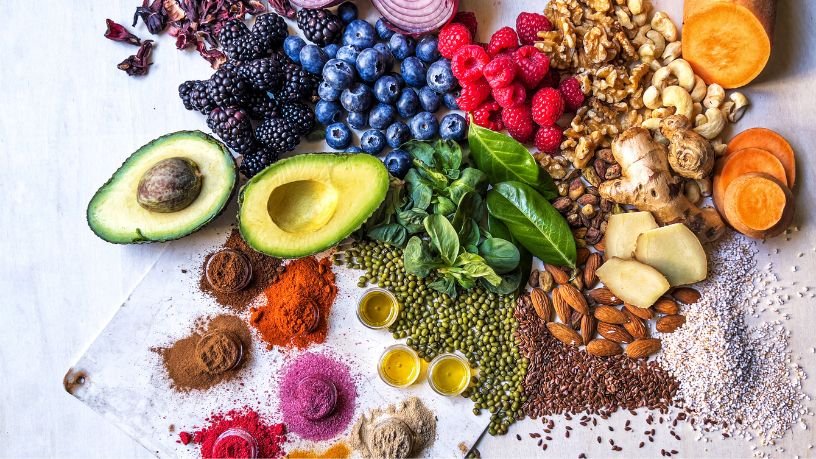
Fruits and vegetables also play a vital role in this diet. Berries, oranges, cherries, spinach, kale, broccoli, and cauliflower are packed with antioxidants that fight oxidative stress. Healthy fats from olive oil, avocados, almonds, and walnuts further enhance the benefits. Additionally, natural anti inflammatory ingredients like turmeric, ginger, garlic, and green tea can be easily incorporated into meals, making your diet both flavorful and functional.
Foods to Avoid That Trigger Inflammation
:max_bytes(150000):strip_icc()/anti-inflammatory-diet-88752-final-67806c6955af4d80a317fec6d499102e.png "Anti Inflammatory Diet Foods")
While adding beneficial foods is important, removing harmful ones is equally essential. Many common foods in modern diets contribute to inflammation and can slow down the body’s healing process. Processed snacks, sugary beverages, and refined carbohydrates such as white bread and pastries are among the main culprits.
These inflammatory foods often lead to spikes in blood sugar levels and increase the production of inflammatory chemicals in the body. Processed meats like sausages and bacon, along with trans fats found in fried and packaged foods, should also be minimized. By reducing these foods and replacing them with nutrient-rich alternatives, you create a healthier internal environment that supports long-term wellbeing.
Simple Anti Inflammatory Diet Meal Plan
Creating a daily meal plan using anti inflammatory diet foods can help you stay consistent and make healthier choices. A balanced breakfast such as oatmeal topped with berries and seeds provides fiber, antioxidants, and sustained energy. This combination supports digestion while helping to control inflammation from the start of the day.
For lunch and dinner, focus on meals that include lean protein, healthy fats, and a variety of vegetables. A spinach salad with grilled chicken and olive oil dressing or a serving of salmon with quinoa and roasted vegetables are excellent choices. Snacks like nuts, fresh fruit, or green tea keep your metabolism active and reduce cravings, making it easier to maintain a healthy routine.
Health Conditions Linked to Chronic Inflammation
Chronic inflammation is closely connected to a wide range of health conditions, many of which can be influenced by diet. Conditions such as inflammatory bowel disease and inflammatory arthritis often involve ongoing inflammation that affects quality of life. While diet alone may not cure these conditions, it can significantly help in managing symptoms and improving overall health.
Other conditions, including pelvic inflammatory disease and certain types of cancer like inflammatory breast cancer, highlight the importance of awareness and early detection. Skin issues such as post inflammatory hyperpigmentation and post inflammatory erythema are also linked to inflammation. By incorporating anti inflammatory diet foods, individuals may support their body’s ability to recover and maintain healthier skin and internal balance.
Anti Inflammatory Diet vs Medications
Many people rely on medications such as anti inflammatory drugs and anti inflammatory tablets to manage pain and inflammation. While these options can provide quick relief, they are not always suitable for long-term use due to potential side effects. This has led to increased interest in natural alternatives that support the body more gently.
A common question is whether everyday medications like paracetamol are anti inflammatory. In reality, paracetamol mainly relieves pain but does not significantly reduce inflammation. This is where a diet rich in anti inflammatory foods becomes valuable. It works gradually to address the root cause, offering long-term benefits without the risks associated with prolonged medication use.
Natural Lifestyle Habits That Reduce Inflammation
Diet alone cannot completely eliminate inflammation; lifestyle choices also play a crucial role. Regular physical activity helps regulate the immune system and reduces inflammatory markers in the body. Even moderate exercise, such as walking or cycling, can contribute to improved overall health and reduced inflammation levels.
Stress management is another key factor. Chronic stress can increase inflammation and negatively affect the body over time. Practices like meditation, deep breathing, and adequate sleep help maintain balance. When combined with anti inflammatory diet foods, these habits create a powerful, holistic approach to long-term wellness.
Who Should Follow an Anti Inflammatory Diet
An anti inflammatory diet is suitable for a wide range of individuals, especially those looking to improve their overall health or manage chronic conditions. People experiencing fatigue, digestive issues, or joint discomfort may benefit from adopting this approach. It is also ideal for those who want to prevent future health problems through better nutrition.
However, individuals with specific medical conditions should consult a healthcare professional before making major dietary changes. Personalized guidance ensures that nutritional needs are met while avoiding potential complications. Even small adjustments, when tailored correctly, can lead to meaningful improvements in health and quality of life.
Practical Tips to Start and Maintain the Diet
Starting an anti inflammatory diet does not require drastic changes. Begin by replacing processed foods with whole, natural options and gradually introducing healthier ingredients into your meals. Building a weekly grocery list centered around anti inflammatory diet foods can simplify the process and help you stay organized.
Meal preparation is another effective strategy for maintaining consistency. Preparing meals in advance reduces the temptation to choose unhealthy options during busy days. Over time, these small habits become part of your routine, making it easier to sustain a healthy lifestyle without feeling restricted or overwhelmed.
Conclusion
Adopting a diet rich in anti inflammatory diet foods is one of the most effective ways to support long-term health and prevent chronic disease. By focusing on whole foods, reducing harmful ingredients, and maintaining healthy lifestyle habits, you can create a balanced approach that benefits both body and mind.
This guide provides a strong foundation for making informed dietary choices in 2026 and beyond. Consistency, awareness, and gradual improvements are the keys to success. With the right approach, you can reduce inflammation naturally and enjoy a healthier, more energetic life.
You may also read: Best Foods for Specific Digestive Issues