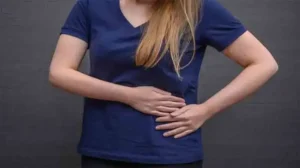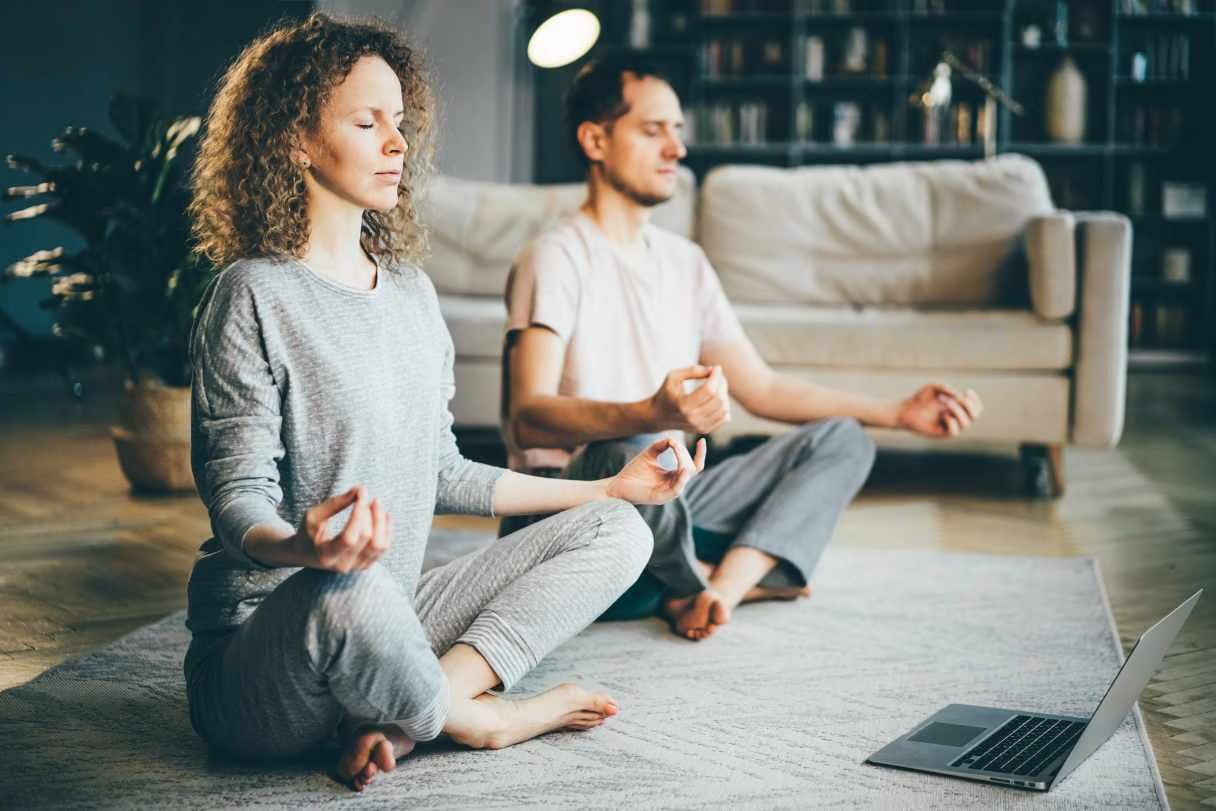
Stress is a natural response, but in today’s fast-paced lifestyle, it often becomes constant rather than temporary. When pressure builds up, it can affect concentration, sleep quality, emotional stability, and even physical health. This is why learning stress relief techniques fast has become essential for maintaining balance in daily life. Quick and effective methods can help reset the mind before stress escalates into long-term anxiety or burnout.
The purpose of this article is to explore practical and science-informed stress relief techniques fast that can be applied anywhere, whether at work, at home, or while traveling. These approaches are designed to calm the nervous system within minutes, improve emotional control, and restore mental clarity without requiring special tools or complicated routines.
Understanding stress and its impact on the body and mind
Stress activates the body’s fight-or-flight system, releasing hormones such as cortisol and adrenaline. While this response is helpful in short-term situations, continuous activation can lead to exhaustion, irritability, and reduced mental performance. Many people do not realize how quickly stress accumulates until it begins to affect productivity and emotional well-being.
When stress becomes frequent, it can interfere with sleep cycles, digestion, and decision-making ability. Over time, it may also contribute to long-term health concerns. This is why using stress relief techniques fast is not just about feeling better in the moment, but also about protecting long-term mental and physical health through early intervention.
Breathing techniques for immediate relaxation
Breathing exercises are among the most powerful stress relief techniques fast because they directly influence the nervous system. Slow, controlled breathing signals the brain that the body is safe, which reduces heart rate and lowers stress hormone levels. Even a few minutes of focused breathing can create a noticeable shift in emotional state.
One highly effective method is diaphragmatic breathing, where the breath is drawn deeply into the stomach instead of the chest. Another powerful technique is the physiological sigh, which involves two short inhales followed by a long, slow exhale. These methods are simple but extremely effective for instant relaxation and emotional regulation.
Meditation techniques for calming anxiety quickly
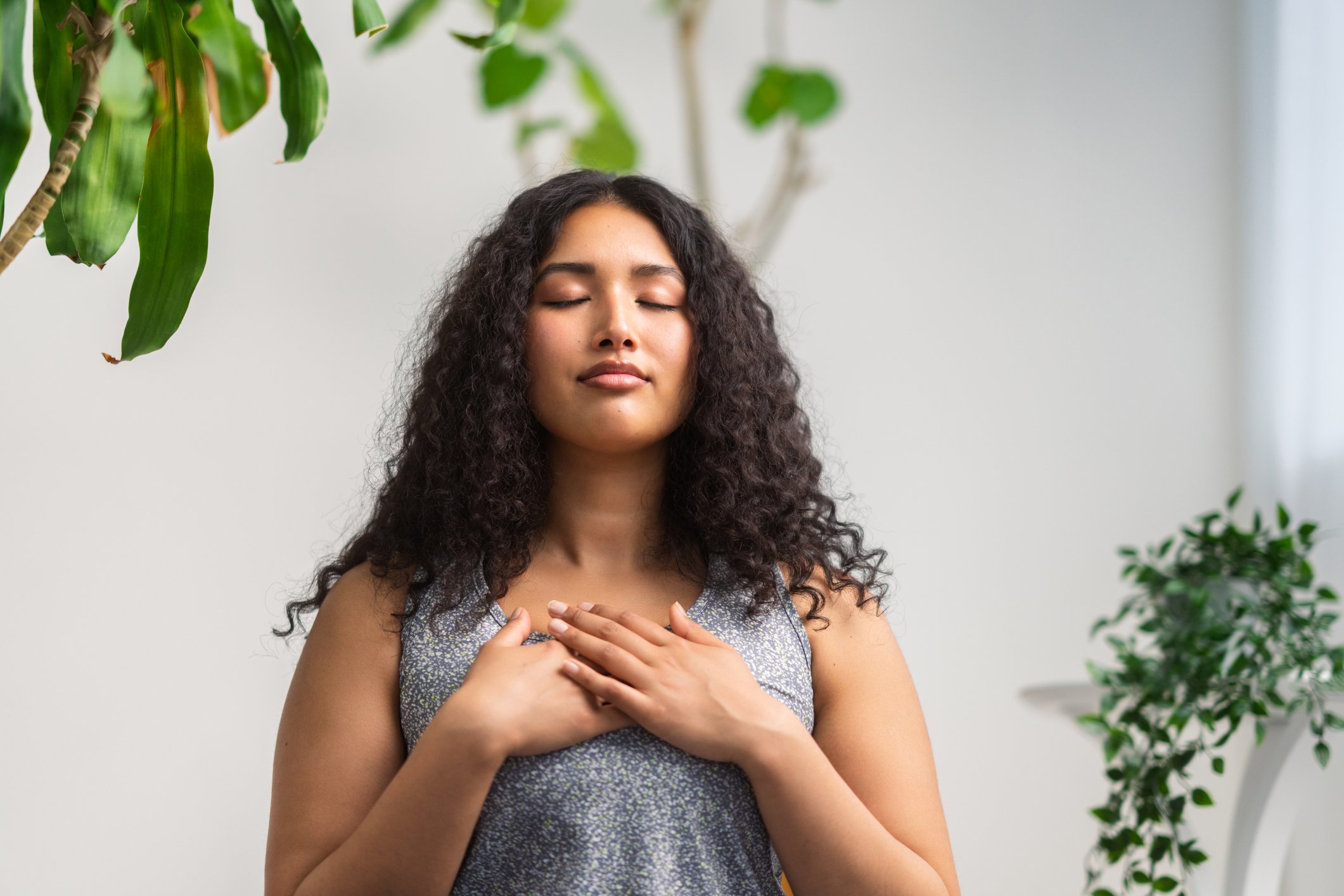
Meditation is one of the most reliable stress relief techniques fast because it trains the mind to focus and reduce mental clutter. Even short sessions of five to ten minutes can help break cycles of overthinking and bring awareness back to the present moment. This makes meditation especially useful during high-pressure situations.
Guided meditation, mindfulness practice, and body scanning are simple approaches that beginners can use immediately. These techniques help reduce mental noise and allow the brain to shift away from stress triggers. Over time, regular practice improves emotional resilience and creates a calmer response to challenging situations.
Grounding techniques to stop mental overload
Grounding techniques are extremely useful when stress becomes overwhelming or when thoughts feel uncontrollable. These methods bring attention back to the present by using physical senses such as sight, touch, hearing, and smell. This helps interrupt anxiety loops and restore mental stability quickly.
One of the most effective stress relief techniques fast is the 5-4-3-2-1 method, where you identify sensory inputs around you. This simple exercise helps shift focus away from internal worries and reconnects the mind with reality. Grounding is especially helpful during panic or emotional distress.
Relaxation methods for physical and emotional release
Relaxation techniques focus on releasing tension stored in the body. Stress often causes muscle tightness, especially in the shoulders, neck, and back. Progressive muscle relaxation helps by tensing and then releasing different muscle groups, which creates a deep sense of physical calm.
Visualization is another powerful approach among stress relief techniques fast. By imagining peaceful environments such as beaches or forests, the brain responds as if it is actually there. Listening to calming sounds or gentle music can also support emotional relaxation and reduce internal tension quickly.
Time management strategies to reduce daily pressure
Poor time management is a major cause of chronic stress in modern life. When tasks feel unorganized or overwhelming, the brain enters a constant state of pressure. Learning how to structure time effectively reduces this mental burden and creates a clearer sense of control.
Simple prioritization methods and breaking large tasks into smaller steps are highly effective stress relief techniques fast. When work feels manageable, stress naturally decreases. Creating daily routines and setting realistic goals also helps prevent unnecessary mental overload and improves productivity.
Mindfulness practices for long-term emotional balance
Mindfulness is the practice of staying aware of the present moment without judgment. It helps reduce emotional reactivity and improves clarity during stressful situations. Even short mindfulness exercises can shift attention away from worries and into a more balanced mental state.
Practicing mindfulness regularly is one of the most sustainable stress relief techniques fast because it builds long-term emotional stability. Activities such as mindful walking, mindful breathing, or simply observing thoughts without reacting can significantly reduce stress over time and improve mental resilience.
Language and thinking techniques for emotional control
The way we think and speak to ourselves has a powerful impact on stress levels. Negative self-talk can increase anxiety, while balanced thinking helps reduce emotional pressure. Cognitive reframing is a technique that replaces unhelpful thoughts with more realistic and supportive perspectives.
These stress relief techniques fast also include using positive internal language during stressful moments. Instead of focusing on fear or failure, shifting attention toward solutions or progress helps the brain remain calm and focused. Over time, this improves confidence and emotional strength.
Structural habits for reducing long-term stress
Structure in daily life creates predictability, which reduces uncertainty and mental strain. When routines are organized, the brain does not need to constantly make decisions, which lowers cognitive overload. This makes structured living an important part of stress management.
Creating simple systems, planning ahead, and developing consistent habits are effective stress relief techniques fast that reduce daily chaos. Even small changes, such as organizing tasks or setting fixed schedules, can significantly improve mental clarity and emotional stability.
Long-term stress management for lasting results
While fast relief techniques are essential, long-term strategies ensure that stress does not build up repeatedly. Healthy sleep, balanced nutrition, and regular physical activity play a major role in maintaining emotional stability. These habits strengthen the body’s ability to handle pressure.
Combining long-term habits with stress relief techniques fast creates a complete stress management system. This approach ensures that stress is not only reduced quickly but also prevented from becoming a recurring issue in daily life.
Advanced psychological techniques for deeper stress control
Advanced techniques such as cognitive distancing and emotional reframing help manage deeper stress patterns. These methods allow individuals to observe thoughts without becoming emotionally overwhelmed, creating mental space and clarity during difficult situations.
Creative outlets such as journaling, structured reflection, or expressive writing are also valuable stress relief techniques fast. They help process emotions in a healthy way and reduce internal tension. These methods are especially useful for long-term emotional regulation and personal growth.
Conclusion
Learning stress relief techniques fast is essential for managing modern-day pressure effectively. Simple practices such as breathing exercises, mindfulness, grounding, and structured thinking can quickly restore calm and improve emotional balance. These methods are easy to apply and can make an immediate difference in stressful situations.
When combined with long-term habits like organization, healthy routines, and emotional awareness, these techniques create a strong foundation for mental well-being. Consistency is key, and even small daily actions can significantly improve resilience, clarity, and overall quality of life over time.
You may also read: Key Symptoms and Early Warning Signs