Introduction to Hormone Replacement Therapy
Hormone replacement therapy is a widely used medical approach designed to restore declining hormone levels, particularly during menopause. This hormone replacement therapy guide is created to help readers in the UK understand how HRT works, who it is for, and why it remains one of the most effective treatments for managing menopausal symptoms. By addressing both physical and emotional changes, HRT plays a vital role in improving overall quality of life.
As hormone levels shift with age, the body responds with a range of symptoms that can disrupt daily routines and wellbeing. From sleep disturbances to mood changes, these effects can feel overwhelming without proper support. This guide focuses on delivering clear, updated, and practical insights so readers can make confident, informed decisions about hormone replacement therapy and its role in long-term health.
What Is Hormone Replacement Therapy?
Hormone replacement therapy, often referred to as HRT, involves supplementing the body with hormones such as estrogen and progesterone that naturally decline during menopause. The goal is to stabilise hormone levels and reduce symptoms like hot flushes, night sweats, and vaginal dryness. This hormone replacement therapy guide explains that HRT is not a single treatment but a flexible approach tailored to individual needs.
There are different forms of HRT available, including systemic therapies that affect the whole body and local treatments that target specific symptoms. In the UK, healthcare providers carefully assess each patient’s medical history before prescribing HRT, ensuring the treatment is both safe and effective. Understanding what hormone replacement therapy is helps remove confusion and allows individuals to explore options with clarity.
Signs You May Need Hormone Replacement Therapy
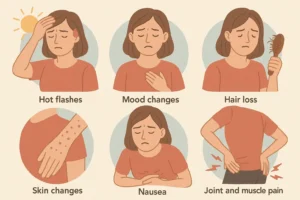
Many people are unsure when to consider hormone replacement therapy, as symptoms can develop gradually and vary from person to person. Common signs include persistent hot flushes, night sweats, mood swings, and disrupted sleep patterns. These symptoms can significantly affect daily functioning, making it difficult to maintain a consistent routine or enjoy everyday activities.
In addition to these well-known symptoms, there are less obvious indicators such as brain fog, low energy, reduced libido, and difficulty concentrating. This hormone replacement therapy guide highlights the importance of recognising these early warning signs and seeking medical advice when they begin to interfere with quality of life. Early intervention often leads to better outcomes and more effective symptom management.
Types of Hormone Replacement Therapy

There are several types of hormone replacement therapy available, each designed to suit different medical needs and personal preferences. Estrogen-only HRT is typically prescribed for women who have had a hysterectomy, while combined HRT includes both estrogen and progesterone to protect the uterus. These options ensure that treatment is both safe and effective for different groups.
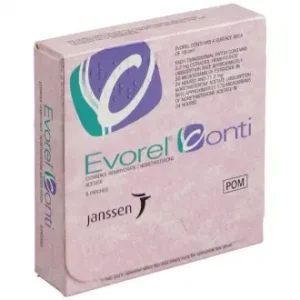
Bioidentical hormone replacement therapy has gained popularity in recent years, as it uses hormones that closely mimic those produced by the body. Additionally, HRT can be delivered through tablets, skin patches, gels, sprays, or vaginal applications. This hormone replacement therapy guide emphasises that choosing the right type depends on lifestyle, symptoms, and individual health conditions, making personalised care essential.
Benefits of Hormone Replacement Therapy
The benefits of hormone replacement therapy are often noticeable within a short period of starting treatment. Many individuals experience significant relief from hot flushes, night sweats, and sleep disturbances, allowing them to regain control over their daily lives. Improved mood and emotional stability are also commonly reported, making HRT a valuable option for overall wellbeing.
Beyond symptom relief, HRT offers long-term health benefits such as improved bone density and reduced risk of osteoporosis. When started early, it may also support cardiovascular health. This hormone replacement therapy guide highlights that the advantages of HRT often outweigh the risks for many individuals, particularly when treatment is carefully monitored by a healthcare professional.
Risks and Side Effects of Hormone Replacement Therapy
While hormone replacement therapy offers many benefits, it is important to understand the potential risks and side effects. Common side effects include headaches, nausea, breast tenderness, and mild bloating, which often improve as the body adjusts to the treatment. Monitoring these symptoms helps ensure that the therapy remains comfortable and effective.
More serious risks include a slightly increased chance of blood clots, stroke, and certain types of cancer, particularly with long-term use. Hormone replacement therapy and bleeding patterns may also change, especially in the early stages of treatment. This hormone replacement therapy guide stresses the importance of regular medical reviews to minimise risks and maintain a safe treatment plan.
Pros and Cons of Hormone Replacement Therapy
Understanding the pros and cons of hormone replacement therapy is essential before starting treatment. On the positive side, HRT provides effective relief from menopause symptoms, improves sleep quality, and enhances overall quality of life. Many individuals find that it allows them to maintain a more active and balanced lifestyle.
However, there are also drawbacks to consider, including potential health risks and the need for ongoing monitoring. Some individuals may not be suitable candidates due to underlying medical conditions. This hormone replacement therapy guide encourages a balanced approach, where benefits and risks are carefully weighed with the support of a qualified healthcare provider.
Hormone Replacement Therapy and Weight Changes
Weight gain is a common concern during menopause, and many people question whether hormone replacement therapy is responsible. In reality, weight changes are more closely linked to hormonal shifts, aging, and lifestyle factors rather than HRT itself. Understanding this distinction helps reduce unnecessary worry about starting treatment.
In some cases, HRT may actually support weight management by improving sleep quality and reducing fatigue, making it easier to stay active. Maintaining a healthy diet and regular exercise routine remains crucial for managing weight effectively. This hormone replacement therapy guide reinforces the importance of a holistic approach to health during menopause.
Special Considerations and Medical Conditions
Certain health conditions require careful evaluation before starting hormone replacement therapy. Individuals with a history of breast cancer, blood clots, or liver disease may need alternative treatments or closer monitoring. Conditions such as endometriosis and migraines can also influence the type and dosage of HRT prescribed.
Personalised care is essential in these situations, as a one-size-fits-all approach may not be suitable. This hormone replacement therapy guide highlights the importance of discussing all medical history and concerns with a healthcare provider to ensure safe and effective treatment tailored to individual needs.
Hormone Replacement Therapy for Men
Hormone replacement therapy is not limited to women, as men can also benefit from hormone treatment, particularly testosterone replacement therapy. Low testosterone levels can lead to symptoms such as fatigue, reduced muscle mass, low libido, and mood changes, which can significantly impact quality of life.
With proper diagnosis and medical supervision, male hormone replacement therapy can help restore energy levels, improve mood, and support physical health. This hormone replacement therapy guide emphasises that treatment for men should always be carefully managed to ensure safety and effectiveness over time.
How to Start Hormone Replacement Therapy in the UK
Starting hormone replacement therapy in the UK typically begins with a consultation with a GP or specialist. During this process, symptoms, medical history, and lifestyle factors are assessed to determine the most suitable treatment plan. This ensures that HRT is tailored to each individual’s unique needs.
Once treatment begins, patients are usually started on a low dose, which is gradually adjusted based on response and symptom relief. Regular follow-up appointments are essential to monitor progress and address any concerns. This hormone replacement therapy guide highlights the importance of ongoing communication with healthcare providers.
Alternatives to Hormone Replacement Therapy
For those who cannot or prefer not to use hormone replacement therapy, there are several alternatives available. Lifestyle changes such as regular exercise, a balanced diet, and stress management techniques can significantly reduce menopause symptoms and improve overall wellbeing.
Non-hormonal medications and certain natural remedies may also provide relief, although their effectiveness can vary. This hormone replacement therapy guide encourages individuals to explore all available options with a healthcare provider to find the most suitable and safe approach for their needs.
Conclusion
Hormone replacement therapy remains one of the most effective solutions for managing menopause symptoms and improving quality of life. This hormone replacement therapy guide has explored its benefits, risks, and various types, offering a comprehensive overview for individuals considering treatment in the UK. With the right approach, HRT can provide meaningful relief and long-term health support.
Ultimately, the decision to start hormone replacement therapy should be based on individual needs, medical history, and professional guidance. By staying informed and working closely with healthcare providers, individuals can make confident choices that support their health, comfort, and overall wellbeing.
You may also read: Key Hormone Therapy Benefits for Overall Health