Hormones are essential chemical messengers that regulate almost every major function in the human body, including metabolism, mood, sleep, and reproductive health. When these hormones fall out of balance, even slightly, the effects can be noticeable and disruptive. Many individuals today are turning to medical solutions to restore equilibrium, making the topic of hormone therapy benefits more relevant than ever in modern healthcare discussions.
Understanding how hormone therapy works and why it is recommended is the first step toward making informed health decisions. This treatment approach is widely used to manage menopause symptoms and other hormone-related conditions. By restoring optimal hormone levels, individuals can experience improved physical comfort, emotional stability, and long-term health protection when guided by proper medical advice.
What Is Hormone Therapy and How It Works
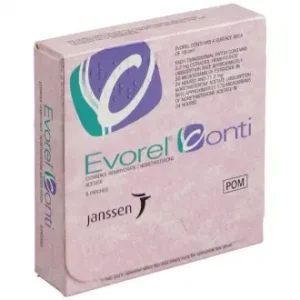
Hormone therapy, commonly referred to as hormone replacement therapy (HRT), is a medical treatment designed to supplement or replace hormones that the body no longer produces in sufficient amounts. This is particularly common during menopause, when estrogen and progesterone levels decline significantly. However, hormone therapy is also used to treat thyroid disorders, growth hormone deficiencies, and other endocrine-related conditions.
The therapy works by reintroducing hormones into the body through various delivery methods such as tablets, patches, gels, or injections. These hormones help restore balance and support the body’s natural processes. When properly prescribed and monitored, hormone therapy can effectively target the root cause of symptoms rather than just masking them, offering a more sustainable approach to health improvement.
Understanding Hormone Imbalance and Its Impact
Hormone imbalance occurs when there is too much or too little of certain hormones circulating in the bloodstream. This imbalance can result from aging, chronic stress, poor nutrition, lack of sleep, or underlying medical conditions. Even small changes in hormone levels can have a significant impact on how the body functions, making it essential to address imbalances early.
The effects of hormone imbalance often extend beyond physical symptoms and can influence emotional and mental health as well. Individuals may experience fatigue, irritability, weight fluctuations, and reduced focus. Over time, untreated imbalances can lead to more serious health concerns, which is why recognizing symptoms and exploring hormone therapy benefits can play a crucial role in maintaining overall wellbeing.
Signs That Indicate the Need for Hormone Replacement Therapy
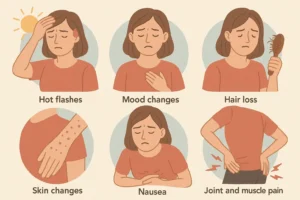
Recognizing the early warning signs of hormonal changes can help individuals seek timely treatment. Common indicators include persistent hot flashes, night sweats, irregular menstrual cycles, and sudden mood changes. These symptoms are often associated with menopause but can also occur in other hormonal conditions, making proper evaluation essential.
In addition to these symptoms, individuals may notice decreased energy levels, low libido, and difficulty sleeping. When these issues begin to interfere with daily life, it may be time to consider medical consultation. Understanding what are the signs that you need hormone replacement therapy allows individuals to take proactive steps toward better health and improved quality of life.
Key Hormone Therapy Benefits for Overall Health

One of the most widely recognized hormone therapy benefits is its ability to provide relief from menopause-related symptoms. Hot flashes, night sweats, and vaginal discomfort can significantly impact daily comfort, but hormone therapy helps reduce these symptoms effectively. This leads to improved sleep quality and enhanced overall wellbeing.
Beyond symptom relief, hormone therapy offers long-term health advantages such as maintaining bone density and reducing the risk of osteoporosis. It may also support cardiovascular health when started at the appropriate time. Additionally, many individuals report improved mood, better cognitive function, and increased energy levels, making hormone therapy a comprehensive solution for both physical and mental health.
Types of Hormone Therapy Treatments Available
There are several forms of hormone therapy available, each designed to suit different medical needs and personal preferences. Common options include oral tablets, transdermal patches, topical gels, and injections. Each method delivers hormones into the body in a controlled manner, ensuring consistent and effective results.
Some specialized treatments focus on specific hormone deficiencies, such as thyroid hormone replacement or growth hormone therapy. The choice of treatment depends on individual health conditions, lifestyle, and medical history. A personalized approach ensures that patients receive the maximum hormone therapy benefits while minimizing potential side effects.
The Importance of Hormone Testing and Diagnosis
Accurate diagnosis is a critical step before beginning any hormone therapy. Healthcare providers typically recommend a hormone blood test to measure levels of key hormones such as estrogen, testosterone, and thyroid-stimulating hormone. These tests provide valuable insights into the body’s internal balance and help identify specific deficiencies.
A comprehensive hormone imbalance test allows for a more targeted treatment plan. Regular monitoring during therapy ensures that hormone levels remain within a healthy range and adjustments can be made if necessary. This ongoing evaluation is essential for maximizing the effectiveness of treatment and ensuring long-term safety.
Risks and Considerations of Hormone Therapy
While the hormone therapy benefits are significant, it is important to understand the potential risks associated with treatment. Some individuals may experience mild side effects such as bloating, headaches, or breast tenderness during the initial stages. These symptoms are usually temporary and can often be managed with dosage adjustments.
More serious risks, including blood clots, stroke, or certain cancers, may occur in specific cases, particularly when therapy is used long-term or without proper monitoring. This is why medical supervision is essential. A healthcare provider can evaluate individual risk factors and ensure that the benefits of treatment outweigh any potential concerns.
Natural Approaches to Supporting Hormone Balance
In addition to medical treatments, lifestyle changes can play a supportive role in maintaining hormone balance. A balanced diet rich in nutrients, regular physical activity, and effective stress management techniques can positively influence hormone levels. These changes can enhance the effectiveness of hormone therapy and improve overall health outcomes.
Many individuals also explore supplements aimed at promoting hormone harmony. While some products receive positive feedback in hormone harmony reviews, their effectiveness varies from person to person. Natural approaches can be beneficial for mild imbalances, but they are not always a substitute for medically supervised treatment when significant deficiencies are present.
Who Can Benefit Most from Hormone Therapy
Hormone therapy is particularly beneficial for women experiencing menopause or early menopause, as it helps manage symptoms and protect long-term health. Individuals with diagnosed hormone deficiencies, such as thyroid disorders or growth hormone imbalances, may also benefit significantly from this treatment.
The timing of therapy plays an important role in its effectiveness. Starting treatment at the right stage, often before the age of 60 or within a few years of menopause, can improve outcomes and reduce risks. Understanding who can benefit most allows individuals to make informed decisions and fully experience the advantages of hormone therapy.
Starting Hormone Therapy Safely and Effectively
Beginning hormone therapy should always involve consultation with a qualified healthcare professional. The process typically includes a detailed assessment of symptoms, medical history, and diagnostic test results. This ensures that the treatment plan is tailored to the individual’s specific needs and health goals.
Ongoing monitoring is equally important to ensure that the therapy remains effective and safe over time. Regular check-ups allow for adjustments in dosage and treatment methods as needed. By following a structured and medically guided approach, individuals can safely experience the full range of hormone therapy benefits while minimizing potential risks.
Conclusion
Hormone therapy has become an essential option for individuals seeking relief from hormonal imbalances and their associated symptoms. From improving quality of life during menopause to supporting long-term health, the advantages of this treatment are both immediate and lasting. Understanding the full scope of hormone therapy benefits allows individuals to make informed and confident decisions about their health.
However, it is important to approach hormone therapy with careful consideration and professional guidance. Personalized treatment plans, accurate diagnosis, and regular monitoring are key to achieving the best outcomes. When used responsibly, hormone therapy can provide a powerful pathway to restored balance, improved well-being, and a healthier future.
You may also read: Natural Remedies for Back Pain, Sciatica, and Neck Pain