Introduction to Heart Health and Natural Improvement
Heart health is one of the most important pillars of overall well-being, yet it is often overlooked until problems appear. To improve cardiovascular health naturally, individuals need to focus on long-term lifestyle habits that strengthen the heart, improve circulation, and reduce strain on the cardiovascular system. This approach is not about quick fixes but about building sustainable routines that support lifelong wellness and energy.
When people choose to improve cardiovascular health naturally, they are investing in prevention rather than treatment. The heart is a muscle that responds positively to consistent care, including balanced nutrition, regular movement, and stress control. Over time, these small but powerful changes reduce the risk of serious conditions and help maintain a healthier, more active life.
Understanding the Cardiovascular System
The cardiovascular system is a complex network that includes the heart, blood vessels, and blood. Its primary function is to transport oxygen and essential nutrients throughout the body while removing waste products. A well-functioning system ensures that every organ receives the support it needs to operate efficiently, making it essential for overall survival and vitality.
Understanding how this system works is the first step toward better heart health. When individuals learn how circulation, oxygen delivery, and heart function are connected, they become more aware of how daily habits affect their body. This awareness is crucial for those who want to improve cardiovascular health naturally, as it encourages healthier decision-making in everyday life.
The cardiovascular system also plays a major role in regulating body temperature, maintaining blood pressure, and supporting physical performance. Any disruption in this system can lead to fatigue, weakness, or more serious medical conditions. Therefore, protecting it through healthy habits is essential for long-term well-being.
Cardiovascular Disease and Health Risks
Cardiovascular disease refers to a group of disorders that affect the heart and blood vessels. These include conditions such as coronary artery disease, heart attacks, and strokes. Many of these diseases develop slowly over time due to poor lifestyle choices, making prevention an essential part of maintaining health.
To improve cardiovascular health naturally, it is important to understand the risks associated with cardiovascular disease. Factors such as unhealthy diets, lack of exercise, smoking, high cholesterol, and chronic stress all contribute to weakening the heart. Over time, these habits increase the likelihood of serious complications that can impact both quality of life and longevity.
The good news is that many of these risks are manageable. By adopting healthier routines, individuals can significantly reduce their chances of developing heart-related conditions. Prevention remains the most effective strategy, especially when combined with regular health monitoring and early lifestyle adjustments.
Symptoms and Early Warning Signs

Recognizing early symptoms of cardiovascular problems is critical for preventing severe health outcomes. Common warning signs include chest discomfort, shortness of breath, irregular heartbeat, dizziness, and persistent fatigue. These symptoms may appear mild at first but should never be ignored, as they can indicate underlying heart issues.
Understanding these warning signs helps individuals take timely action. Early detection often leads to better treatment outcomes and reduces the risk of complications. For those who want to improve cardiovascular health naturally, being aware of these symptoms encourages proactive care and faster lifestyle improvements.
In some cases, cardiovascular diseases develop silently without noticeable symptoms. This makes routine check-ups and preventive care even more important. Paying attention to subtle changes in the body can help identify issues before they become severe, supporting long-term heart health.
Natural Ways to Improve Heart Health
One of the most effective ways to improve cardiovascular health naturally is through diet. A heart-healthy eating plan includes fruits, vegetables, whole grains, lean proteins, and foods rich in omega-3 fatty acids. These nutrients help reduce inflammation, improve cholesterol levels, and support healthy blood circulation.
In addition to diet, hydration, stress management, and sleep quality play a major role in heart function. Reducing processed foods, sugar, and excessive salt can significantly improve cardiovascular performance. When combined, these habits create a strong foundation for long-term heart health and overall well-being.
Cardiovascular Exercise and Physical Strength
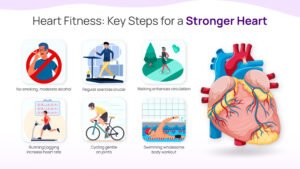
Regular physical activity is essential for maintaining a strong heart. Cardiovascular exercises such as walking, jogging, cycling, and swimming help improve blood flow and strengthen the heart muscle. These activities also increase oxygen efficiency, making daily tasks easier and less tiring.
To improve cardiovascular health naturally, experts recommend at least 150 minutes of moderate exercise per week. Consistency is more important than intensity, especially for beginners. Over time, regular movement helps lower blood pressure, improve cholesterol levels, and reduce the risk of heart disease.
Exercise also plays a key role in weight management and stress reduction. Both of these factors directly impact heart health, making physical activity one of the most powerful tools for long-term cardiovascular improvement.
Cardiovascular Endurance and Performance
Cardiovascular endurance refers to the ability of the heart and lungs to sustain physical activity over extended periods. Higher endurance levels mean better stamina, improved energy, and reduced fatigue during daily activities or exercise.
Improving endurance requires gradual training and consistent effort. Activities like running, cycling, and aerobic workouts help build this capacity over time. As endurance improves, the heart becomes more efficient, allowing individuals to perform tasks with less strain and greater comfort.
Developing cardiovascular endurance is also essential for those aiming to improve cardiovascular health naturally, as it directly strengthens the heart and enhances overall physical performance.
Risk Factors and Preventive Monitoring
Several risk factors influence cardiovascular health, including age, genetics, high blood pressure, cholesterol levels, smoking, obesity, and lack of physical activity. These factors can significantly increase the likelihood of developing heart-related diseases if not managed properly.
Tools like cardiovascular risk scoring systems, including QRISK2, help estimate a person’s 10-year risk of developing heart disease. Understanding these risk levels allows individuals to take preventive action early. For anyone focused on long-term wellness, this knowledge is essential for making informed health decisions and working to improve cardiovascular health naturally through targeted lifestyle changes.
Building a Sustainable Heart-Healthy Lifestyle
A sustainable heart-healthy lifestyle combines nutrition, exercise, stress management, and proper sleep. These elements work together to strengthen the cardiovascular system and reduce long-term health risks. Consistency is key, as small daily habits often lead to the most significant improvements over time.
To improve cardiovascular health naturally, individuals should focus on gradual changes rather than extreme transformations. Simple actions such as walking more, cooking healthier meals, managing stress effectively, and prioritizing sleep can create lasting benefits. Over time, these habits build a stronger heart and a more resilient body.
Maintaining a positive mindset is also important. Emotional well-being directly impacts physical health, including heart function. By reducing stress and maintaining balance, individuals can support both mental and cardiovascular wellness in a sustainable way.
Conclusion: Long-Term Approach to Heart Wellness
Improving heart health is not a short-term goal but a lifelong commitment. To improve cardiovascular health naturally, individuals must focus on consistent habits that support the heart, reduce risk factors, and enhance overall well-being. These include proper nutrition, regular exercise, and effective stress management.
By making informed lifestyle choices and staying committed to preventive care, individuals can significantly reduce their risk of cardiovascular disease. A healthy heart leads to a healthier life, greater energy, and improved quality of living. The key is consistency, awareness, and a long-term approach to wellness.
You may also read: Best Foods for Heart Health for Women