Introduction to heart strengthening habits
Heart health plays a central role in overall wellbeing, yet it is often overlooked until serious symptoms appear. Heart strengthening habits are simple, consistent lifestyle actions that help improve circulation, support healthy blood pressure, and enhance long-term cardiovascular function. These habits are not based on extreme routines but on sustainable daily choices that gradually build a stronger and more resilient heart over time.
In today’s fast-paced lifestyle, processed foods, stress, and inactivity have significantly increased the risk of heart-related diseases. Developing heart strengthening habits early can reduce these risks and improve energy levels, focus, and overall physical performance. The goal is not perfection but consistency, where small daily improvements lead to long-term heart protection and better quality of life.
Understanding how the heart works and why it matters
The heart is a powerful muscular organ responsible for pumping blood throughout the body, delivering oxygen and essential nutrients to every cell. It works continuously without rest, making it one of the most important organs for survival. Understanding its structure and function helps people make informed decisions about lifestyle choices that support long-term cardiovascular health and stability.
A normal heart rate typically falls between 60 and 100 beats per minute, depending on age, activity level, and fitness. Resting heart rate is often used as an indicator of heart efficiency, with lower rates generally reflecting better cardiovascular conditioning. When irregularities such as heart palpitations or unusually high rates occur, they may signal the need for lifestyle adjustments or medical evaluation.
Core heart strengthening habits for daily life
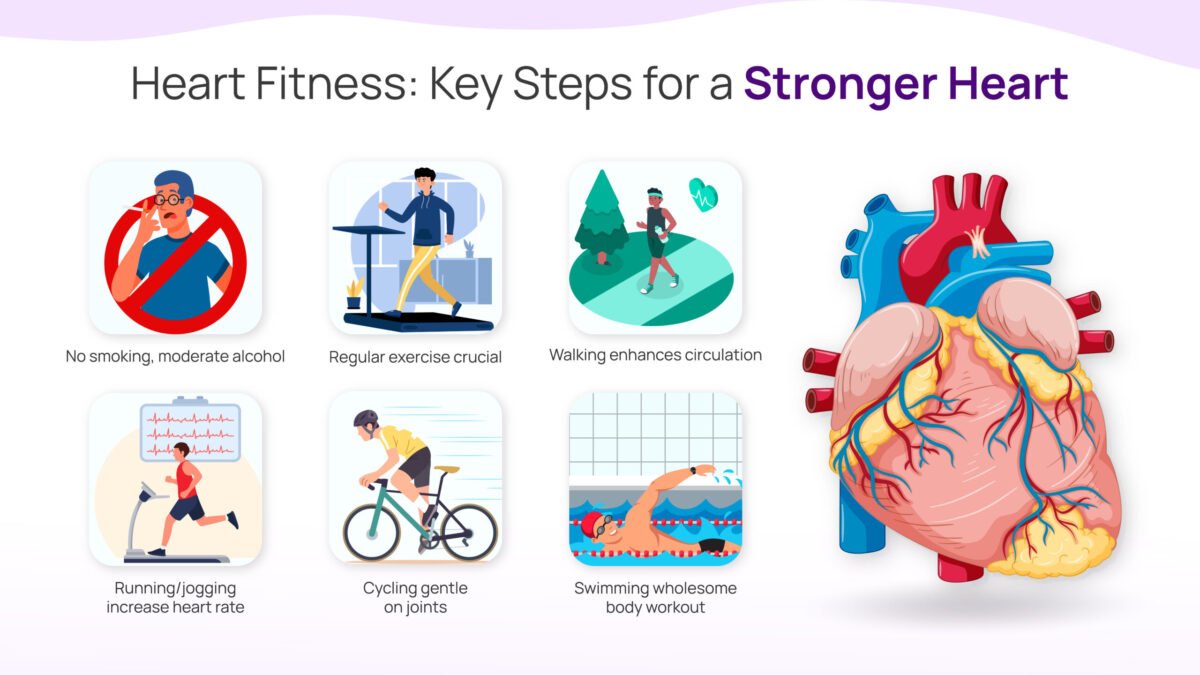
One of the most effective heart strengthening habits is regular physical activity. Exercises such as brisk walking, cycling, or swimming help strengthen the heart muscle, improve blood circulation, and reduce blood pressure over time. Even moderate daily movement can significantly enhance heart efficiency, especially when performed consistently as part of a routine rather than occasional effort.
Diet also plays a critical role in maintaining heart health. A balanced diet rich in fruits, vegetables, whole grains, lean proteins, and healthy fats supports proper cardiovascular function. Reducing salt, sugar, and processed foods helps prevent high blood pressure and cholesterol buildup. When combined with physical activity, these dietary choices form essential heart strengthening habits that protect long-term heart function.
Lifestyle choices that support long-term heart health

Long-term heart health depends heavily on everyday lifestyle decisions. Quitting smoking is one of the most impactful changes a person can make, as tobacco damages blood vessels and increases the risk of heart disease. Limiting alcohol intake also helps maintain stable blood pressure and reduces strain on the cardiovascular system, supporting overall heart efficiency.
Maintaining a healthy body weight is another key factor in supporting the heart. Excess weight increases the workload on the heart and can lead to conditions such as heart failure or high blood pressure. Monitoring physical activity levels, maintaining balanced nutrition, and adopting heart strengthening habits consistently can significantly reduce long-term cardiovascular risks.
Stress, sleep, and emotional balance for a stronger heart
Emotional wellbeing is closely linked to heart health, as stress directly affects heart rate and blood pressure. Chronic stress can contribute to irregular heart rhythms, including palpitations, and may increase the risk of cardiovascular disease. Managing stress through relaxation techniques such as deep breathing, meditation, or mindful activities is an essential part of heart strengthening habits.
Sleep is equally important for maintaining a healthy heart. Adults who consistently get 7 to 9 hours of quality sleep allow the cardiovascular system to recover and regulate itself properly. Poor sleep patterns can disrupt heart rhythm and increase inflammation in the body. Emotional balance, combined with good sleep hygiene, supports a stable and stronger heart over time.
Warning signs and monitoring heart health
Recognising early warning signs is essential for preventing serious heart conditions. Symptoms such as chest pain, shortness of breath, dizziness, or persistent fatigue should never be ignored. These may indicate underlying issues such as heart attack symptoms or reduced heart function. Understanding these signs helps individuals take timely action and seek medical advice when necessary.
Monitoring heart rate regularly is also an important preventive step. A normal resting heart rate often reflects good cardiovascular health, while consistently high or irregular readings may require attention. People who adopt heart strengthening habits often find it easier to maintain stable heart rates, improved energy levels, and better overall physical performance.
Building sustainable heart strengthening habits for the future
Sustainability is the key to long-term heart health success. Instead of making sudden extreme changes, it is more effective to gradually build heart strengthening habits into daily routines. Small actions such as walking more, choosing healthier meals, managing stress, and improving sleep quality can collectively create a powerful positive impact on heart function over time.
Consistency is what transforms habits into lasting health benefits. Even minor improvements, when repeated daily, strengthen the cardiovascular system and reduce long-term risks of heart disease. By focusing on realistic and achievable changes, individuals can build a lifestyle that naturally supports heart strength, resilience, and overall wellbeing for years to come.
You may also read: Symptoms and Early Warning Signs