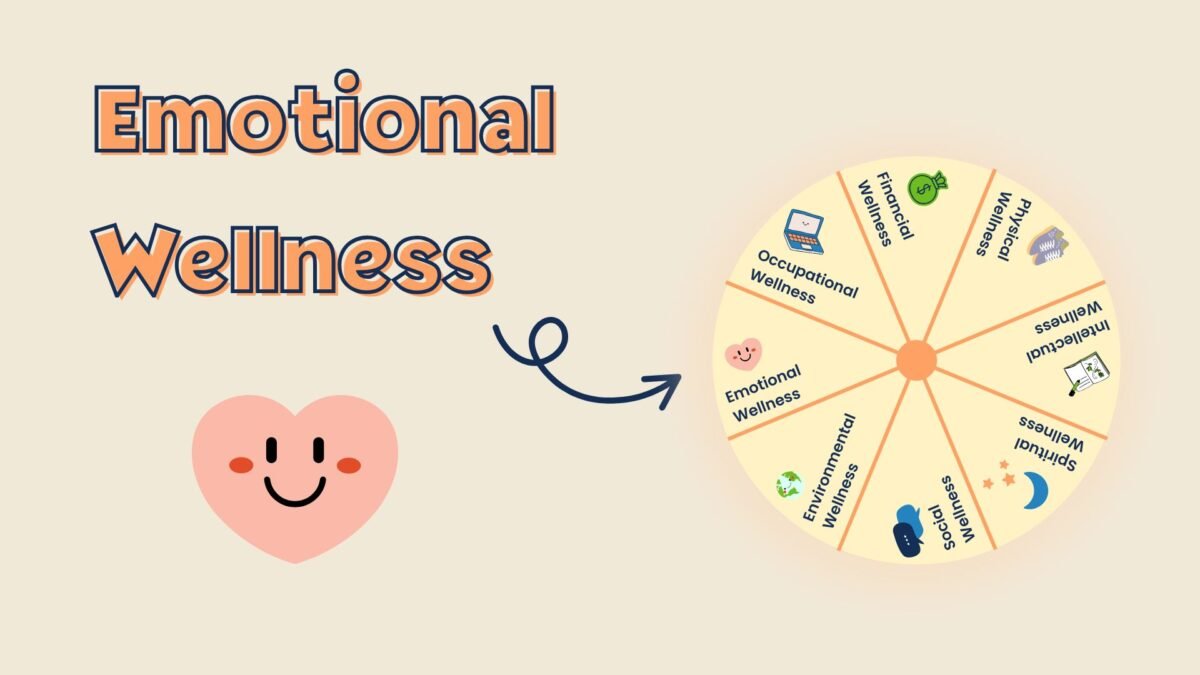
Emotional wellness practices are structured habits and lifestyle approaches that help individuals manage stress, regulate emotions, and build long-term psychological resilience. In modern life, emotional pressure comes from multiple sources such as work demands, social expectations, financial uncertainty, and constant digital exposure. These factors make emotional balance an essential part of maintaining overall health, not just a secondary aspect of well-being.
When people consistently apply emotional wellness practices, they develop stronger emotional awareness and improved mental clarity. These practices are not about eliminating emotions but about learning how to respond to them in healthier ways. Over time, they contribute to better relationships, improved focus, and reduced anxiety. This foundation allows individuals to navigate challenges with greater stability and confidence.
Understanding Emotional Intelligence and Its Role in Wellness
Emotional intelligence is the ability to recognize, understand, and manage personal emotions while also interpreting others’ emotions. It plays a central role in Emotional Wellness Practices because it directly influences how individuals react to stress, conflict, and communication challenges. People with higher emotional intelligence tend to make more balanced decisions and maintain healthier relationships.
Understanding what is emotional intelligence also involves learning how emotional awareness impacts daily behavior. Emotional intelligence meaning extends beyond psychology and applies to real-life experiences such as workplace interactions, family dynamics, and personal growth. Developing emotional intelligence improves emotional control, enhances empathy, and supports more effective emotional wellness practices that last throughout life.
Emotional Regulation as a Foundation for Mental Stability
Emotional regulation refers to the ability to manage and respond to emotional experiences in a balanced and constructive way. It is one of the most important emotional wellness practices because it helps individuals avoid impulsive reactions during stressful or emotionally charged situations. Instead of suppressing emotions, emotional regulation focuses on understanding and guiding them appropriately.
When emotional regulation is weak, individuals may experience emotional dysregulation, which can lead to sudden mood changes, irritability, or difficulty managing stress. Strengthening emotional regulation requires consistent effort through mindfulness, breathing techniques, and reflective thinking. Over time, these emotional wellness practices build resilience and allow individuals to maintain stability even in challenging environments.
Daily Emotional Wellness Practices for a Balanced Life

Daily emotional wellness practices are simple but powerful habits that significantly improve mental and emotional stability. Activities such as mindfulness meditation, physical exercise, and structured breathing exercises help reduce stress hormones and improve emotional clarity. These habits create a stable foundation that supports long-term psychological health.
Another important aspect of emotional wellness practices is emotional expression through journaling or communication. Writing thoughts down or discussing feelings with trusted individuals helps process emotions more effectively. Strong emotional support systems also play a vital role, as supportive relationships reduce isolation and increase emotional security during difficult times.
Emotional Abuse and Its Impact on Mental Health
Emotional abuse is a pattern of harmful behavior that affects a person’s emotional well-being through manipulation, control, criticism, or rejection. Understanding emotional abuse definition is essential because it helps individuals identify unhealthy relationships early and take appropriate action before long-term emotional damage occurs. Emotional abuse can be subtle, making it harder to recognize compared to physical harm.
Common signs include emotional manipulation, emotional blackmail, and constant belittling or control. Over time, these behaviors may lead to emotional trauma, anxiety, and reduced self-esteem. Recognizing signs of emotional abuse in adults is an important step toward recovery. Emotional wellness practices such as therapy, support groups, and self-reflection play a critical role in healing and rebuilding emotional strength.
Building Emotional Support Systems for Stability
Emotional support is a crucial part of maintaining emotional balance during stressful or uncertain times. It refers to comfort, understanding, and reassurance provided by trusted individuals, including friends, family, counselors, or even structured support systems. Emotional support helps reduce feelings of isolation and strengthens resilience during emotional challenges.
In some cases, emotional support animals and emotional support dogs provide therapeutic benefits for individuals dealing with anxiety or emotional distress. These companions help create a sense of calm and routine. Combined with emotional wellness practices, strong support systems create a protective emotional environment that enhances mental stability and encourages long-term healing.
Developing Emotional Intelligence for Long-Term Growth
Developing emotional intelligence requires continuous self-awareness and intentional practice. It involves observing personal emotional responses, understanding triggers, and improving communication skills. As individuals grow emotionally intelligent, they become more capable of handling conflict, building meaningful relationships, and maintaining emotional balance in stressful situations.
Improving emotional intelligence also enhances emotional wellness practices by making them more effective and sustainable. People who understand what is emotional intelligence meaning are better equipped to manage workplace stress, personal disagreements, and emotional setbacks. Over time, this leads to stronger resilience and a healthier emotional outlook on life.
Modern Emotional Challenges and Their Effects
Modern life introduces several emotional challenges, including digital overload, workplace stress, and constant social comparison. These pressures can lead to emotional exhaustion, burnout, and difficulty maintaining focus. As emotional demands increase, individuals often struggle to maintain balance without structured emotional wellness practices.
Emotional imbalance may appear as fatigue, irritability, or reduced motivation. Understanding emotional synonym expressions helps individuals better articulate their feelings and communicate emotional needs effectively. Addressing these challenges requires consistent emotional wellness practices that restore clarity, reduce stress, and support healthier emotional responses in daily life.
Strengthening Emotional Resilience Through Practical Strategies
Emotional resilience is the ability to recover from setbacks and adapt to stressful situations without long-term emotional damage. It is built through consistent emotional wellness practices such as gratitude exercises, positive thinking, and structured problem-solving. These habits strengthen mental flexibility and improve emotional endurance over time.
Additional strategies include setting healthy boundaries, practicing self-reflection, and reframing negative thoughts into constructive perspectives. These emotional wellness practices help individuals remain grounded during difficulties and encourage long-term emotional growth. Resilience is not built overnight but developed gradually through consistent emotional awareness and practice.
Conclusion
Emotional wellness practices are essential for managing stress, improving emotional stability, and building long-term resilience in today’s fast-paced world. They help individuals develop stronger emotional intelligence, regulate emotional responses, and maintain balance even during challenging situations. When applied consistently, these practices lead to improved mental clarity and healthier relationships.
By integrating emotional regulation, emotional intelligence, and strong support systems into daily life, individuals can create a more stable and fulfilling emotional experience. In an increasingly complex world, emotional wellness practices are not optional but necessary tools for long-term personal growth and psychological well-being.
You may also read: Science-Backed Ways to Improve Mental Health Naturally