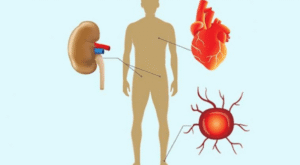
Diabetes is a chronic metabolic condition that affects how the body processes glucose, and if not managed properly, it can gradually damage vital organs. The main goal of modern diabetes care is not only controlling blood sugar but also working consistently to prevent diabetes complications that can affect the heart, kidneys, eyes, and nerves over time. These complications often develop silently, making early awareness and prevention extremely important for long-term health stability.
In today’s healthcare approach, doctors emphasize prevention through lifestyle management, medication adherence, and regular monitoring. When individuals take proactive steps early, they significantly reduce the likelihood of severe outcomes. The process to prevent diabetes complications requires consistent discipline, informed decision-making, and a long-term commitment to healthier habits that protect the body from progressive damage.
Understanding Diabetes Complications in the Body
Diabetes complications occur when prolonged high blood sugar levels damage blood vessels and nerves throughout the body. This damage disrupts normal organ function and can slowly lead to serious conditions if left unmanaged. Understanding this process is essential for anyone who wants to effectively prevent diabetes complications before they develop into irreversible health problems that impact daily life and independence.
These complications typically fall into microvascular and macrovascular categories, affecting small blood vessels like those in the eyes and kidneys, as well as larger vessels linked to the heart and brain. Over time, uncontrolled diabetes weakens the body’s repair system, making it harder to recover from injuries or infections. This is why early awareness plays a critical role in prevention.
Major Health Conditions Linked to Diabetes
Diabetes is strongly associated with several serious health conditions that can reduce quality of life if not controlled properly. Heart disease is one of the most common complications, increasing the risk of heart attacks and strokes due to damaged blood vessels. Kidney disease is another major concern, often progressing without noticeable symptoms until significant damage has already occurred.
Eye conditions such as diabetic retinopathy, cataracts, and glaucoma may lead to vision loss if not treated early. Nerve damage, also known as neuropathy, can cause numbness, pain, and increased risk of foot infections. Recognizing these conditions early is essential to effectively prevent diabetes complications and avoid long-term health deterioration.
Key Lifestyle Factors That Influence Risk
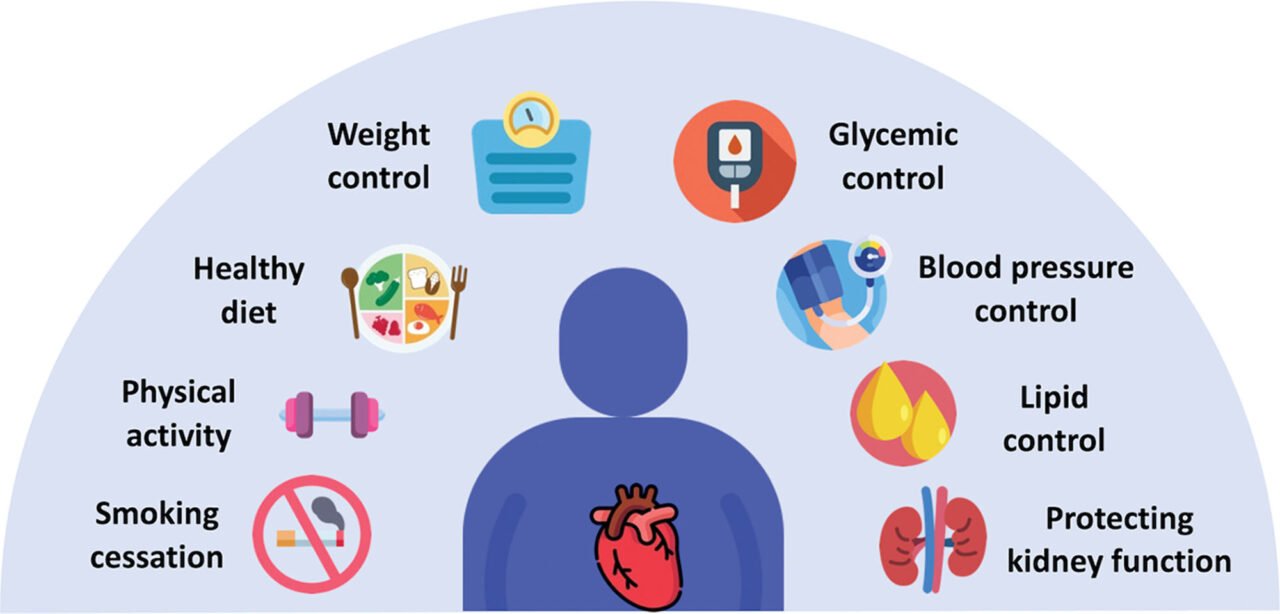
Lifestyle choices play a major role in determining whether a person will develop diabetes-related complications. Poor dietary habits, lack of physical activity, smoking, and high stress levels all contribute to unstable blood sugar levels. When combined with high cholesterol or blood pressure, these factors significantly increase the risk of long-term organ damage.
On the other hand, adopting a balanced lifestyle can greatly improve health outcomes. A nutrient-rich diet, regular exercise, and maintaining a healthy weight help stabilize glucose levels and reduce strain on the body. Making these changes consistently is one of the most effective ways to prevent diabetes complications and improve overall well-being.
Expert Strategies to Control Blood Sugar and Health
One of the most important steps in diabetes management is maintaining stable blood sugar levels through regular monitoring and proper treatment. HbA1c tests help track long-term glucose control, while daily monitoring provides real-time insights into fluctuations. Medication adherence is equally important in maintaining balance and preventing sudden spikes or drops.
Experts also recommend combining medical treatment with lifestyle adjustments for better results. When blood sugar remains stable, the risk of damage to nerves, kidneys, and eyes decreases significantly. This integrated approach is the foundation of efforts to prevent diabetes complications and ensure long-term health protection.
Daily Habits That Help Protect Long-Term Wellness
Daily habits have a powerful impact on diabetes control and overall health. Simple actions like choosing whole foods, staying physically active, and drinking enough water can improve metabolism and support stable blood sugar levels. Even small, consistent efforts can lead to significant long-term benefits.
Foot care, stress management, and quality sleep also play important roles in maintaining balance. These habits may seem basic, but they collectively help the body function more efficiently and reduce the risk of complications. Building these routines into daily life is a practical way to prevent diabetes complications and support long-term wellness.
Importance of Medical Monitoring and Early Detection
Regular medical checkups are essential for detecting early signs of diabetes-related complications. Eye examinations can identify retinopathy before vision loss occurs, while kidney function tests help monitor internal organ health. Foot examinations also detect early infections or nerve damage that may otherwise go unnoticed.
Early detection allows for timely intervention, which can prevent conditions from worsening. Doctors emphasize routine screenings as a critical part of long-term diabetes care. Consistent monitoring not only improves treatment outcomes but also plays a key role in efforts to prevent diabetes complications before they become severe.
Conclusion
Managing diabetes effectively requires a combination of medical care, lifestyle discipline, and long-term awareness. When individuals take proactive steps, they significantly reduce the risk of serious health conditions that can affect multiple organs. The journey to better health is built on consistency and informed choices that support stable blood sugar control.
Ultimately, the ability to prevent diabetes complications depends on early action, continuous monitoring, and sustainable lifestyle habits. With the right approach, individuals can protect their health, improve their quality of life, and reduce the long-term impact of diabetes on the body.
You may also read: How High Blood Sugar Damages Nerves