A calorie calculator for weight loss is a tool designed to estimate how many calories you should consume each day to reach your weight-loss goals. Instead of relying on generic diet plans, the calculator uses personal details such as age, gender, height, weight, and activity level to create a customized recommendation. This personalized approach helps people make informed decisions about their daily food intake and understand how their bodies use energy.
Many people struggle to lose weight because they underestimate how much they eat or overestimate how many calories they burn. A calorie calculator simplifies this process by providing a realistic target based on scientific formulas. Whether you are starting a new fitness journey or trying to break through a weight-loss plateau, understanding your calorie requirements can make your efforts more effective and sustainable over the long term.
Understanding Calories and Energy Balance
Calories are units of energy that fuel every function in the human body. From breathing and digestion to walking and exercise, every activity requires energy. Food and beverages provide calories, while daily activities burn them. Weight management depends largely on maintaining the right balance between calories consumed and calories expended.
Energy balance is the relationship between calorie intake and calorie expenditure. When you consume more calories than your body needs, the excess energy is stored, primarily as body fat. When you consume fewer calories than your body burns, your body uses stored energy to make up the difference. This principle forms the foundation of every successful weight-loss strategy and explains why a calorie calculator for weight loss is such a valuable tool.
How a Calorie Deficit Supports Weight Loss
A calorie deficit occurs when you consume fewer calories than your body requires to maintain its current weight. This forces the body to use stored fat as an energy source, resulting in gradual weight loss over time. The size of the calorie deficit influences the rate of weight loss, but larger deficits are not always better because they can be difficult to maintain and may affect overall health.
Creating a moderate calorie deficit is generally considered the most effective approach for long-term success. A well-designed calorie calculator for weight loss helps determine a realistic target that balances fat loss with proper nutrition. By avoiding extreme restrictions, individuals are more likely to maintain their progress, preserve muscle mass, and develop healthy habits that support lasting results.
How a Calorie Calculator Estimates Your Needs

A calorie calculator uses established formulas to estimate the number of calories your body burns each day. It starts by calculating your Basal Metabolic Rate, which represents the calories needed to support essential bodily functions such as breathing, circulation, and cell repair. The calculation then accounts for physical activity to estimate total daily energy expenditure.
Because every individual has unique characteristics, the calculator adjusts recommendations based on factors such as age, body size, activity level, and lifestyle habits. This personalized calculation provides a more accurate starting point than general calorie recommendations. As your body weight changes, your calorie requirements may also change, making it important to revisit your calculations periodically.
The Importance of TDEE in Weight Management
Total Daily Energy Expenditure, commonly known as TDEE, represents the total number of calories your body burns during a typical day. It includes your basal metabolism, exercise, daily movement, and even the energy used to digest food. Understanding TDEE is essential because it serves as the foundation for determining whether you should increase, decrease, or maintain your calorie intake.
A TDEE calculator is often used alongside a calorie calculator for weight loss to create a complete picture of energy needs. Once your TDEE is known, an appropriate calorie deficit can be applied to establish a realistic weight-loss target. This approach allows individuals to follow a structured plan rather than relying on guesswork or restrictive dieting methods.
Why BMI Can Be a Helpful Reference
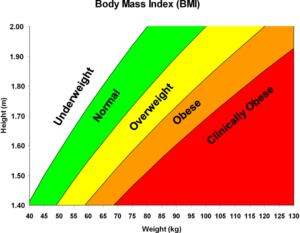
Body Mass Index, or BMI, is a measurement that compares a person’s weight to their height. A BMI calculator can provide a general indication of whether an individual falls within a healthy weight range. While BMI does not directly measure body fat percentage, it remains a useful screening tool for assessing weight-related health risks.
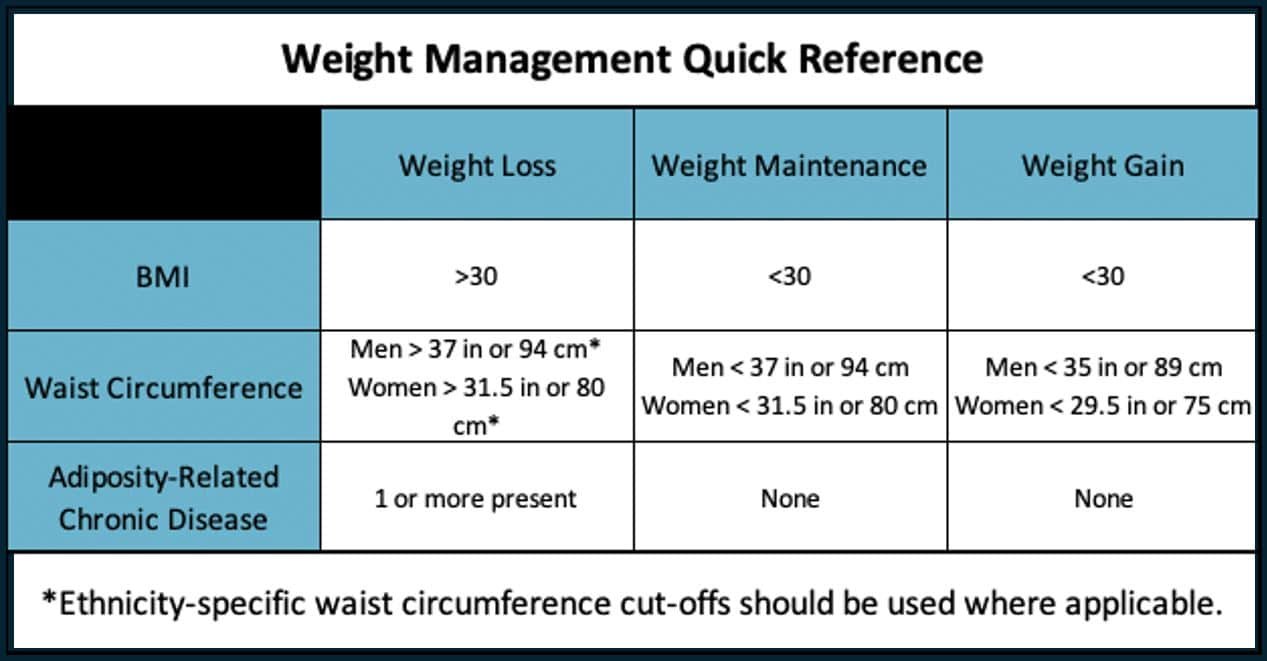
Using a BMI calculator together with a calorie calculator for weight loss can provide additional context when setting goals. For example, individuals who fall within higher BMI categories may benefit from a structured calorie-management plan, while those closer to a healthy range may focus on body composition improvements rather than rapid weight reduction.
Factors That Influence Daily Calorie Requirements
Daily calorie needs vary significantly from person to person. Age is one important factor because metabolism tends to slow gradually over time. Gender also influences calorie requirements, as men generally have more lean muscle mass and therefore burn more calories at rest. Height, weight, and overall body composition further affect how much energy the body requires.
Lifestyle choices and activity levels are equally important. Someone with a physically demanding job may require significantly more calories than someone who spends most of the day sitting. Regular exercise, muscle mass, sleep quality, and even stress levels can influence calorie expenditure. This is why personalized calculations are far more effective than one-size-fits-all recommendations.
How Many Calories Should You Eat to Lose Weight?
There is no universal answer to the question of how many calories are needed for weight loss. Individual calorie requirements depend on body size, activity level, age, and overall health. While some people may successfully lose weight on 1,500 calories per day, others may require 2,000 calories or more to maintain a healthy and sustainable calorie deficit.
The most effective strategy is to use a calorie calculator for weight loss to determine a personalized target. Rather than focusing solely on eating less, the goal should be to create a manageable deficit that supports fat loss while maintaining energy, performance, and nutritional balance. Sustainable progress is typically more successful than rapid weight-loss attempts.
Building a Sustainable Weight-Loss Plan
Weight loss is not simply about reducing calories; it is about creating habits that can be maintained over time. A balanced eating plan that includes lean proteins, vegetables, fruits, whole grains, and healthy fats helps ensure that the body receives essential nutrients while maintaining a calorie deficit. Quality nutrition also improves satiety, making it easier to stay on track.
Physical activity plays a critical role in supporting long-term results. Strength training helps preserve muscle mass during weight loss, while cardiovascular exercise increases calorie expenditure and supports heart health. Combining healthy eating with regular movement creates a comprehensive approach that improves both body composition and overall well-being.
Common Mistakes People Make When Calculating Calories
One of the most common mistakes is selecting an inaccurate activity level when using a calorie calculator. Many individuals unintentionally overestimate their daily movement, which can result in calorie recommendations that are too high. This often slows progress and creates confusion when expected weight-loss results do not occur.
Another frequent issue is inaccurate food tracking. Restaurant meals, snacks, beverages, and condiments can contribute more calories than people realize. Measuring portions carefully and tracking intake consistently can improve accuracy and help individuals achieve the results predicted by their calorie calculator for weight loss.
Useful Calculators Beyond Weight Loss
While a calorie calculator is one of the most valuable health tools available online, many other calculators can simplify everyday decision-making. Popular examples include a BMI calculator, TDEE calculator, percentage calculator, and age calculator. These tools provide useful insights for health planning, fitness tracking, and personal goal setting.
Financial calculators are also widely used for managing money and making informed decisions. Examples include a mortgage calculator, mortgage calculator UK, mortgage repayment calculator, salary calculator, salary calculator UK, take home pay calculator, tax calculator, income tax calculator, VAT calculator, stamp duty calculator, universal credit calculator, compound interest calculator, and bet calculator. Each serves a different purpose while helping users save time and improve accuracy.
Conclusion
A calorie calculator for weight loss is one of the most effective tools for creating a personalized and sustainable weight-loss strategy. By estimating calorie needs based on individual characteristics, it eliminates much of the guesswork associated with dieting and provides a clear path toward achieving health and fitness goals.
When combined with an understanding of TDEE, BMI, proper nutrition, and regular exercise, a calorie calculator becomes far more than a simple number-generating tool. It becomes a practical resource for making informed decisions, building healthy habits, and achieving long-term success. The key is consistency, patience, and a commitment to gradual progress that can be maintained for years to come.
You may also read: The Best Weight Loss Tracking Apps Available in 2026