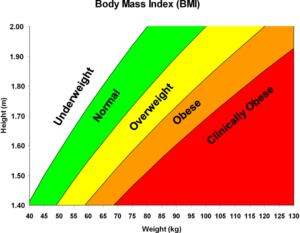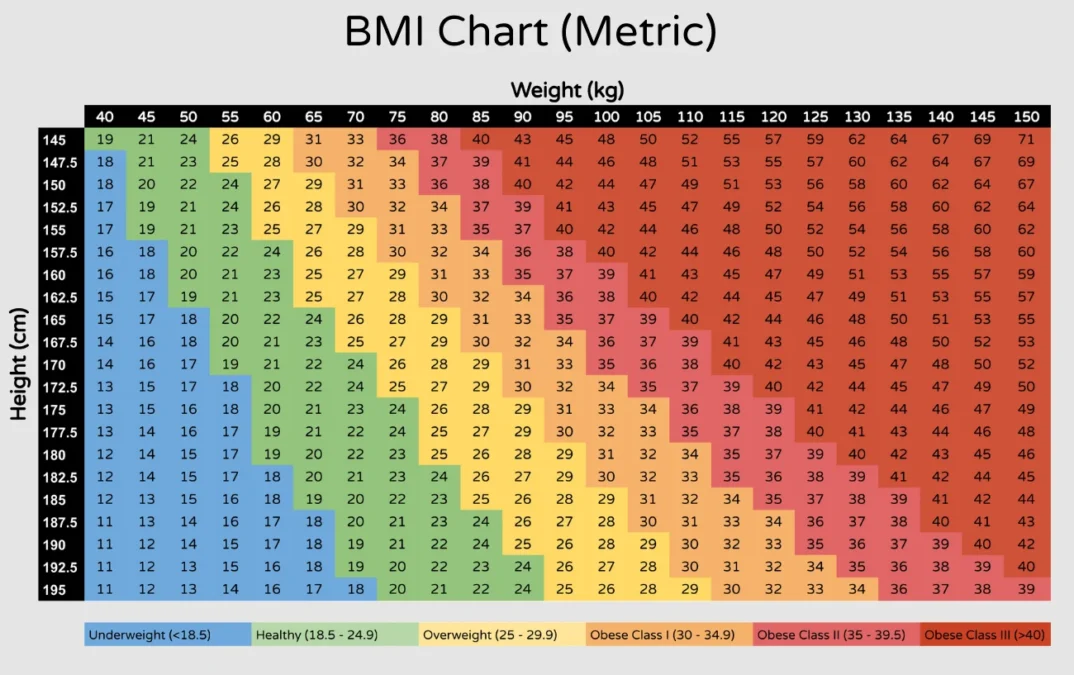
Body Mass Index (BMI) is a widely used measurement that helps determine whether a person’s weight is appropriate for their height. It is calculated using a simple formula that compares weight and height to produce a numerical value. Health professionals, fitness experts, and public health organizations often use BMI as an initial screening tool to identify potential weight-related health risks. While it is not a direct measure of body fat, it provides a quick and accessible way to assess whether someone may be underweight, at a healthy weight, overweight, or living with obesity.
Understanding BMI is important because body weight can influence many aspects of health. Research consistently shows that maintaining a healthy weight may help reduce the risk of conditions such as heart disease, type 2 diabetes, high blood pressure, and certain joint problems. A reliable BMI calculator guide can help individuals interpret their BMI score and understand what it means in the context of their overall health. Rather than serving as a diagnosis, BMI acts as a starting point for making informed decisions about nutrition, exercise, and long-term wellness.
How a BMI Calculator Works
A BMI calculator is designed to simplify the process of calculating Body Mass Index. Instead of manually performing mathematical calculations, users enter their height and weight into the tool, and it instantly generates a BMI score. Most calculators support both metric and imperial measurements, making them convenient for users across different regions. This ease of use has made BMI calculators one of the most popular online health assessment tools available today.
The value of a BMI calculator guide lies in helping users understand not only how the calculation is performed but also how to interpret the result correctly. Once a BMI score is generated, it is compared against established BMI categories to determine whether the individual’s weight falls within a healthy range. Many calculators also provide additional information, such as weight management recommendations or guidance on maintaining a balanced lifestyle, making them useful tools for both awareness and education.
How to Calculate BMI Correctly
The standard BMI formula in the metric system involves dividing a person’s weight in kilograms by their height in meters squared. For example, if someone weighs 70 kilograms and is 1.75 meters tall, their BMI would be calculated by dividing 70 by 1.75². The resulting figure provides a simple numerical indication of weight status. Although this formula is straightforward, many people prefer using a BMI calculator because it eliminates the possibility of calculation errors.
For individuals using imperial measurements, the formula is slightly different. Weight in pounds is divided by height in inches squared, and the result is multiplied by 703. While the mathematical process remains simple, online BMI tools save time and improve convenience. Understanding how to calculate BMI manually can still be useful because it provides insight into how the score is generated and helps users better understand the principles behind BMI assessments.
Understanding BMI Categories and BMI Charts
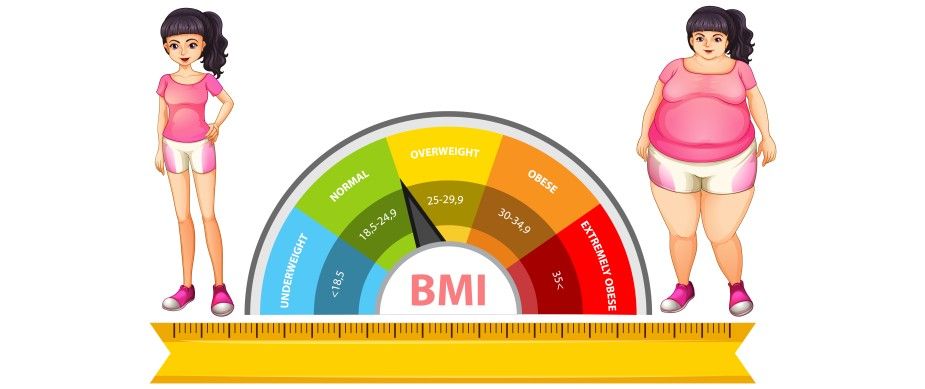
After calculating BMI, the next step is understanding what the score means. BMI categories are generally divided into four main groups: underweight, healthy weight, overweight, and obesity. These classifications are based on guidelines used by health organizations around the world. A score below 18.5 is typically considered underweight, while a score between 18.5 and 24.9 is generally classified as a healthy weight range. Higher scores indicate increasing levels of excess body weight.
A BMI chart provides a visual representation of these categories, allowing users to quickly identify where their score falls. Charts are particularly useful because they simplify complex health information and make BMI results easier to understand. Many people searching terms such as what is my BMI, BMI checker, or check my BMI use BMI charts alongside calculators to gain a clearer picture of their current weight status and potential health implications.
NHS BMI Calculator and UK Guidelines
The NHS BMI calculator is one of the most trusted resources for people in the United Kingdom who want to assess their weight status. Developed according to recognized health guidelines, it offers accurate BMI calculations and practical information about maintaining a healthy lifestyle. Many users prefer NHS tools because they are designed with public health recommendations in mind and are regularly updated to reflect current guidance.
The BMI calculator UK approach emphasizes that BMI should be viewed as one part of a broader health assessment. While BMI provides useful information, healthcare professionals also consider factors such as age, ethnicity, activity level, and medical history when evaluating overall health. The NHS encourages individuals to use BMI as a helpful reference point rather than relying on it as the sole measure of well-being.
BMI Calculator for Women
Women often use BMI calculators as part of their efforts to monitor health and manage weight effectively. The BMI formula itself is the same for men and women, but body composition can differ significantly between genders. Women naturally tend to have a higher percentage of body fat than men, which means BMI results should be interpreted within the broader context of individual health circumstances and lifestyle factors.
A BMI calculator women resource can be especially useful during different stages of life. Factors such as pregnancy, menopause, hormonal changes, and aging can all influence body composition. While BMI remains a useful screening tool, women should also consider additional indicators such as waist circumference, fitness level, and overall health status. Taking a comprehensive approach helps ensure that BMI results are understood accurately and applied appropriately.
BMI Calculator for Men
Men can also benefit from regularly monitoring their BMI as part of a healthy lifestyle strategy. A BMI score can help identify potential weight-related risks and encourage proactive steps toward better health. Many men use BMI tools when beginning fitness programs, pursuing weight-loss goals, or simply tracking changes in their body weight over time.
However, BMI has limitations that are particularly relevant for highly active men. Athletes and individuals with significant muscle mass may have a higher BMI despite having low levels of body fat. A BMI calculator men guide should therefore emphasize that BMI is not always a complete reflection of physical fitness. Additional measurements such as body fat percentage, waist-to-height ratio, and muscle mass assessments can provide a more accurate understanding of health.
Benefits and Limitations of BMI
One of the primary advantages of BMI is its simplicity. It requires only height and weight measurements, making it easy to calculate and widely accessible. Because of its efficiency, BMI is commonly used in healthcare settings, public health studies, and personal wellness programs. It offers a standardized method for assessing weight status across large populations and can help identify individuals who may benefit from further health evaluation.
Despite these benefits, BMI is not without limitations. It does not distinguish between muscle, fat, bone density, or body composition differences. As a result, some individuals may receive BMI classifications that do not accurately reflect their true health status. This is why experts recommend using BMI alongside other health indicators rather than relying on it alone. Understanding both the strengths and weaknesses of BMI allows users to make better-informed decisions about their health.
Factors That Influence BMI
Many factors can influence a person’s BMI beyond diet and exercise. Genetics play a significant role in determining body shape, metabolism, and how the body stores fat. Age is another important consideration because body composition naturally changes over time. Even individuals with similar lifestyles may have different BMI results due to genetic and biological differences.
Lifestyle habits remain among the most influential factors affecting BMI. Regular physical activity, balanced nutrition, quality sleep, and effective stress management all contribute to maintaining a healthy weight. Using a BMI calculator guide regularly can help track changes over time, but sustainable health improvements are usually achieved through consistent healthy habits rather than short-term solutions or restrictive dieting approaches.
Health Measurements Beyond BMI
Although BMI is a useful starting point, it should not be considered the only measure of health. Other assessments can provide valuable insights that BMI alone cannot capture. Waist circumference, for example, helps estimate abdominal fat, which is strongly associated with cardiovascular disease risk. Similarly, waist-to-height ratio and body fat percentage can provide a more detailed understanding of body composition.
Healthcare professionals often combine several measurements to create a more complete picture of overall health. Blood pressure, cholesterol levels, blood sugar measurements, and fitness assessments can all contribute to a more accurate evaluation. When used together, these tools offer a comprehensive approach that supports informed decision-making and long-term health management.
Tips for Maintaining a Healthy BMI
Maintaining a healthy BMI requires a balanced and sustainable approach to lifestyle choices. A nutritious diet rich in vegetables, fruits, whole grains, lean proteins, and healthy fats provides the body with essential nutrients while supporting weight management goals. Rather than focusing on extreme diets, individuals often achieve better long-term results by developing healthy eating habits that can be maintained consistently over time.
Physical activity is equally important for achieving and maintaining a healthy weight. Combining cardiovascular exercise with strength training supports both calorie expenditure and muscle development. Regular movement also improves cardiovascular health, mental well-being, and overall quality of life. By using a BMI calculator guide periodically to monitor progress, individuals can stay informed about changes in their weight status and make adjustments when necessary.
Conclusion
A BMI calculator remains one of the simplest and most accessible tools for evaluating weight status. By understanding how BMI is calculated, interpreting BMI categories correctly, and recognizing both the strengths and limitations of the measurement, individuals can gain valuable insights into their overall health. Whether using a BMI calculator, a BMI chart, or an NHS BMI calculator, the information provided can serve as a useful foundation for healthier lifestyle choices.
The most effective approach is to view BMI as part of a broader health strategy rather than a standalone measure. Combining BMI results with other assessments, healthy eating habits, regular physical activity, and professional medical guidance can provide a more accurate understanding of well-being. Used responsibly, a BMI calculator guide can be an excellent resource for supporting long-term health, weight management, and informed decision-making.
You may also read: How a Calorie Calculator Estimates Your Needs