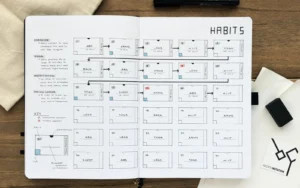
Understanding how to create healthy routines is one of the most effective ways to improve your overall quality of life. Healthy routines provide structure, reduce stress, and make it easier to maintain positive habits over time. Instead of relying on motivation every day, routines allow beneficial behaviors to become automatic, helping you stay consistent even when life becomes busy or challenging. Whether your goal is better physical health, improved mental well-being, increased productivity, or a stronger work-life balance, a well-designed routine can help you get there.
Many people believe they need a complete lifestyle transformation to see meaningful results. In reality, long-term success often comes from small actions repeated consistently. Learning how to create healthy routines is not about achieving perfection. It is about building sustainable habits that fit your lifestyle and support your goals. By focusing on practical steps and realistic expectations, you can develop routines that remain effective for months and years rather than days and weeks.
What Are Healthy Routines?
Healthy routines are a collection of positive habits performed regularly to support physical, emotional, and mental health. These routines can include activities such as exercising, eating balanced meals, drinking enough water, getting quality sleep, managing stress, and setting aside time for personal growth. While every person’s routine will look different, the common goal is to create consistent behaviors that contribute to overall well-being.
One of the greatest benefits of healthy routines is their ability to simplify daily decision-making. When beneficial actions become part of your normal schedule, you spend less energy deciding what to do and more energy focusing on meaningful activities. This consistency can improve productivity, strengthen self-discipline, and create a sense of stability that supports both short-term goals and long-term success.
Why Healthy Routines Matter
Healthy routines influence nearly every aspect of life. Consistent habits can improve cardiovascular health, support healthy weight management, enhance sleep quality, and strengthen the immune system. Small daily actions often produce greater results over time than occasional bursts of effort. This is why people who maintain healthy routines frequently experience more sustainable improvements than those who rely on temporary solutions.
The benefits extend beyond physical health. Regular routines can reduce anxiety, improve concentration, and create a stronger sense of control over daily life. When healthy behaviors become predictable, they help reduce uncertainty and stress. This makes it easier to navigate challenges while maintaining progress toward personal and professional goals.
Common Challenges When Building Healthy Habits

One of the most common mistakes people make is trying to change everything at once. Enthusiasm can lead to ambitious plans that include strict diets, intense exercise schedules, and major lifestyle adjustments. While these goals may seem motivating initially, they often become difficult to maintain. The result is frustration and a return to old habits.
Another challenge is depending entirely on motivation. Motivation naturally fluctuates, and there will be days when you do not feel inspired to follow your routine. Successful individuals understand that consistency matters more than motivation. By creating systems and habits that support regular action, they continue making progress even when enthusiasm is low.
Start with Clear and Realistic Goals
Before deciding how to create healthy routines, it is important to identify what you want to achieve. Clear goals provide direction and help you choose habits that align with your desired outcomes. Whether your objective is improving fitness, reducing stress, sleeping better, or increasing productivity, knowing your destination makes it easier to design an effective routine.
Goals should be realistic and achievable. Instead of aiming for dramatic changes immediately, focus on manageable improvements that fit naturally into your daily life. Small goals create momentum, build confidence, and encourage long-term commitment. As these habits become automatic, you can gradually expand your routine without feeling overwhelmed.
Build Habits One Step at a Time
One of the most effective principles for learning how to create healthy routines is starting small. Large lifestyle changes often fail because they require significant effort and adjustment. Smaller habits are easier to maintain and can be integrated into existing schedules with minimal resistance. Actions such as taking a short walk, drinking an extra glass of water, or going to bed fifteen minutes earlier can serve as powerful starting points.
Small habits create a foundation for larger improvements. Once a behavior becomes consistent, it requires less mental effort and becomes part of your normal routine. This gradual approach reduces stress and increases the likelihood of long-term success. Over time, these simple actions accumulate into meaningful changes that positively impact health and well-being.
Create a Daily Structure That Supports Success
A healthy routine should complement your lifestyle rather than compete with it. Creating a realistic daily structure helps ensure that healthy habits fit naturally into your schedule. Morning routines are often particularly effective because they set a positive tone for the day and reduce the likelihood of distractions interfering with important habits.
Evening routines are equally valuable. Establishing consistent bedtime habits, limiting screen exposure, and preparing for the following day can improve sleep quality and reduce stress. A structured daily schedule creates predictability, making it easier to maintain healthy behaviors even during busy periods. This consistency is one of the most important aspects of understanding how to create healthy routines that last.
Use Habit Stacking to Strengthen Consistency
Habit stacking is a simple strategy that connects a new habit to an existing one. Instead of creating entirely new triggers, you use behaviors already established in your daily life. For example, after brushing your teeth, you might drink a glass of water. After making coffee, you could spend a few minutes stretching or planning your day.
This technique works because it builds on routines that already exist. By linking habits together, you create natural reminders that reduce the need for willpower. Habit stacking makes it easier to introduce positive changes gradually and helps new behaviors become automatic more quickly. As a result, it is one of the most effective methods for creating sustainable routines.
Design an Environment That Encourages Healthy Choices
Your environment plays a significant role in determining your daily behaviors. When healthy choices are convenient and visible, they become easier to follow. For example, keeping nutritious snacks readily available increases the likelihood of healthy eating, while placing exercise equipment in an accessible location encourages regular physical activity.
Removing obstacles is equally important. Reducing distractions, limiting access to unhealthy temptations, and organizing your living space can support better decision-making. A well-designed environment works with your goals rather than against them. This reduces reliance on self-control and makes healthy habits feel more natural and sustainable.
Focus on Progress Rather Than Perfection
Many people abandon their routines after missing a day or making a mistake. This all-or-nothing mindset often prevents long-term success. Healthy routines are not about perfection; they are about consistency over time. Missing a workout or eating an unhealthy meal does not erase previous progress. What matters most is returning to your routine as quickly as possible.
Viewing setbacks as learning opportunities can help maintain motivation and confidence. Every challenge provides valuable information about what works and what needs adjustment. By focusing on gradual improvement rather than flawless execution, you create a more sustainable approach to personal growth and long-term wellness.
Essential Habits for a Healthy Lifestyle
The most effective healthy routines typically include habits that support physical and mental well-being. Regular exercise, balanced nutrition, quality sleep, hydration, and stress management form the foundation of a healthy lifestyle. These habits work together to improve energy levels, support immune function, and enhance overall quality of life.
Mental wellness habits are equally important. Activities such as mindfulness, journaling, reading, meditation, and spending time outdoors can improve emotional resilience and reduce stress. Combining physical and mental health practices creates a balanced routine that supports long-term success and overall well-being.
Conclusion
Learning how to create healthy routines is not about making drastic changes overnight. It is about identifying meaningful goals, starting with small actions, and building consistency over time. Sustainable routines are created through repetition, patience, and realistic expectations rather than motivation alone. Every positive habit, no matter how small, contributes to a healthier and more productive life.
The key to lasting success is focusing on progress rather than perfection. By creating a supportive environment, developing manageable habits, and maintaining consistency, you can build routines that continue delivering benefits for years to come. Healthy routines are not temporary solutions; they are long-term investments in your physical health, mental well-being, and overall quality of life.
You may also read: Start Small and Build Momentum