
The cost of private medical insurance remains one of the most searched healthcare topics in Britain. As NHS waiting times continue to influence healthcare decisions, many individuals and families are exploring private coverage to gain faster access to treatment, specialist consultations, and diagnostic services. Understanding the health insurance UK average cost is essential for anyone considering a policy because pricing varies significantly based on personal circumstances, provider choice, and the level of protection selected.
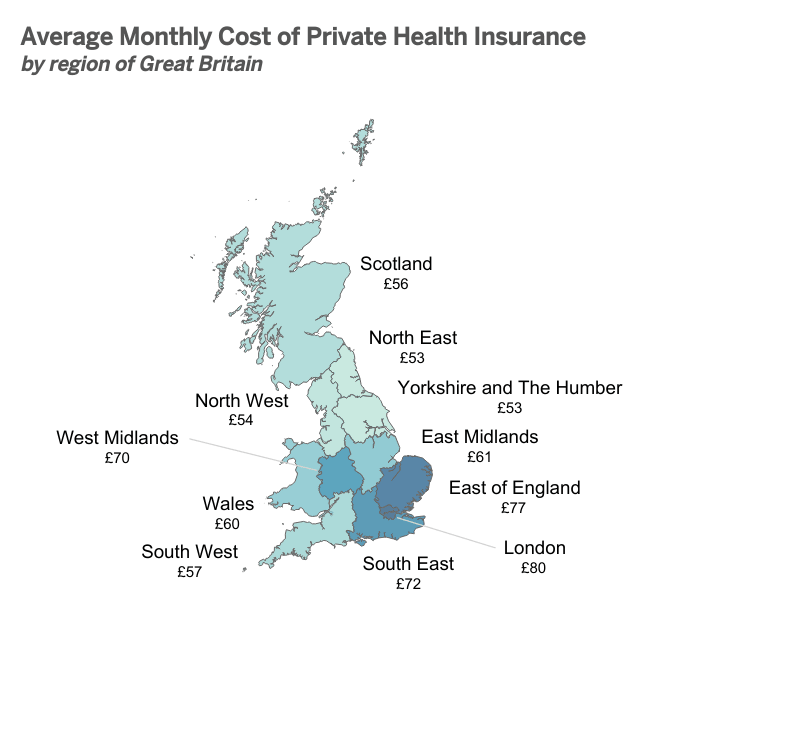
In 2026, the average monthly premium for private health insurance in the UK typically ranges from around £70 to £85 for a single adult. Couples often pay between £130 and £160 per month, while family policies can exceed £180 monthly depending on age, location, and benefits included. Although these figures provide a useful benchmark, actual premiums can be higher or lower depending on individual risk factors and insurer pricing models. Comparing multiple providers remains the best way to identify accurate costs for your situation.
What Influences Health Insurance Costs in the UK
Age is one of the biggest factors affecting the health insurance UK average cost. Younger adults generally benefit from lower premiums because they are statistically less likely to require expensive medical treatment. As people move into their forties, fifties, and beyond, insurers typically increase premiums to reflect higher healthcare risks and a greater likelihood of claims. This age-related pricing structure is common across nearly all major providers in the UK market.
Location also has a considerable impact on private medical insurance costs. Individuals living in London and the South East often face higher premiums due to the increased cost of private hospitals, consultants, and healthcare facilities. Lifestyle choices such as smoking, obesity, and existing health concerns may further influence pricing. In addition, the type of underwriting used by an insurer can affect how medical history is assessed, making it important to understand policy terms before committing to a plan.
Average Health Insurance Costs by Age Group
People in their twenties and early thirties often enjoy the most affordable private health insurance premiums available. Many healthy individuals in this age bracket can obtain basic policies for relatively modest monthly payments, especially when choosing higher excess levels or limiting outpatient coverage. Because younger adults generally require less medical treatment, insurers view them as lower-risk customers and reward them with lower premiums.
The situation changes gradually as policyholders grow older. Individuals in their forties and fifties frequently experience noticeable premium increases, while those in their sixties and seventies may face significantly higher costs. Comprehensive plans for older adults can exceed £200 per month in some cases. This trend highlights why age remains one of the strongest contributors to the overall health insurance UK average cost, regardless of provider or policy type.
Health Insurance Costs by Coverage Level
The level of cover selected has a direct impact on how much a policy costs each month. Basic plans generally focus on inpatient treatment, hospital admissions, and surgical procedures. These policies are often chosen by individuals who want financial protection against major medical expenses without paying for a broad range of additional services. As a result, they tend to be the most affordable option available in the market.
More comprehensive plans include outpatient consultations, specialist appointments, advanced diagnostics, physiotherapy, mental health support, and cancer treatment benefits. While these features increase monthly premiums, they also provide wider access to healthcare services and greater convenience when medical issues arise. Consumers should carefully balance affordability against coverage needs when evaluating different policy options and comparing the health insurance UK average cost across multiple insurers.
Comparing Major Health Insurance Providers
The UK health insurance market is highly competitive, with several established providers offering a range of plans designed to suit different budgets and healthcare requirements. Some insurers focus on affordability and simple coverage structures, while others emphasize premium services, extensive hospital networks, and comprehensive treatment options. This diversity gives consumers plenty of choice but can make comparisons more challenging.
When reviewing providers, it is important to look beyond the advertised monthly premium. Factors such as customer service quality, claims processing efficiency, hospital access, policy exclusions, and optional benefits can significantly affect the overall value of a plan. A policy with a slightly higher premium may ultimately deliver better long-term value if it provides broader coverage and a smoother claims experience.
What Private Health Insurance Usually Covers
Private health insurance is designed to help policyholders access treatment more quickly than they might through public healthcare pathways. Most plans include hospital stays, surgical procedures, specialist consultations, and diagnostic testing. Depending on the provider and policy level, coverage may also extend to advanced imaging services such as MRI scans and CT scans, which can help accelerate diagnosis and treatment planning.
Many comprehensive policies offer additional benefits that appeal to families and professionals. These may include cancer care, physiotherapy, mental health support, rehabilitation programs, and access to private hospital facilities. Because coverage details differ between insurers, consumers should always review policy documentation carefully. Understanding exactly what is included helps determine whether the premium represents good value and aligns with personal healthcare priorities.
Common Exclusions and Limitations
Despite the benefits of private medical insurance, every policy contains exclusions that consumers should understand before purchasing coverage. Pre-existing medical conditions remain one of the most common limitations. Depending on the underwriting method used, some conditions may be excluded permanently, while others may become eligible for coverage after a specified symptom-free period.
Other common exclusions include cosmetic procedures, experimental treatments, and certain forms of long-term chronic condition management. Emergency healthcare services generally continue to be delivered through the NHS rather than private insurers. Reviewing these limitations carefully helps prevent misunderstandings and ensures that policyholders have realistic expectations about what their insurance will and will not cover.
Ways to Reduce Health Insurance Costs
Many people assume that private health insurance is beyond their budget, but several practical strategies can help reduce premiums. Increasing the policy excess is one of the most effective methods because it lowers the insurer’s financial risk. Choosing a restricted hospital network can also result in significant savings while still providing access to high-quality treatment facilities.
Another useful approach is reviewing coverage annually and comparing quotes from multiple providers. Insurance pricing changes frequently, and loyalty does not always guarantee the best value. Consumers who regularly compare plans often discover opportunities to reduce their premiums while maintaining similar levels of protection. These simple steps can make the health insurance UK average cost more manageable for households with limited budgets.
Comparing Health Insurance with Other UK Living Costs
When evaluating affordability, it is helpful to compare health insurance with other common household expenses. The average cost of home insurance, car insurance, utility bills, and property maintenance can collectively exceed the cost of a private medical insurance policy. Many households already budget for these essential expenses without considering the potential value of healthcare protection.
Major financial commitments such as home renovations, weddings, funerals, and long-term care can place substantial pressure on personal finances. Compared with these expenses, private health insurance may represent a relatively modest investment that provides access to faster treatment and specialist care when needed. This perspective helps consumers understand the role that health insurance can play within a broader financial planning strategy.
Future Trends Affecting Health Insurance Prices
Healthcare costs continue to rise across the UK, and these increases inevitably influence private insurance premiums. Factors such as medical inflation, advances in healthcare technology, rising treatment expenses, and increased demand for private services are expected to affect future pricing. As a result, the health insurance UK average cost will likely continue evolving in the coming years.
At the same time, insurers are investing heavily in digital healthcare solutions and preventative wellness programs. Virtual GP appointments, online consultations, health monitoring tools, and personalized wellness initiatives are becoming more common features within modern insurance plans. These innovations may help improve customer value while encouraging healthier lifestyles, potentially reducing claims costs over the long term.
Conclusion
Understanding the health insurance UK average cost is essential for making informed decisions about private healthcare coverage. While average premiums provide a useful starting point, the actual price of a policy depends on factors such as age, location, health history, provider selection, and the level of coverage required. Every individual has unique healthcare needs, making personalized comparisons especially important.
The most effective approach is to compare multiple insurers, review policy details carefully, and focus on value rather than price alone. A well-chosen policy can provide faster access to treatment, greater flexibility, and additional peace of mind. By staying informed about market trends and regularly reviewing available options, consumers can secure suitable healthcare protection while keeping long-term costs under control.
You may also read: Habit Tracker Tips That Actually Work