A heart healthy diet plan is a long-term approach to eating that focuses on improving cardiovascular health, maintaining balanced cholesterol levels, and reducing the risk of heart-related diseases. It is not a restrictive diet but rather a sustainable lifestyle change that encourages whole, natural foods while limiting processed and unhealthy ingredients. By consistently following this approach, individuals can support better blood circulation, stable blood pressure, and improved overall wellbeing without extreme dietary restrictions.
In today’s modern lifestyle, poor eating habits and sedentary routines have increased heart disease risks globally. A well-structured heart healthy diet plan helps counter these risks by prioritizing nutrient-rich foods such as fruits, vegetables, whole grains, and lean proteins. Over time, this dietary pattern supports weight management, enhances energy levels, and contributes to long-term heart protection, making it suitable for people of all ages.
Core Principles of a Heart Healthy Diet Plan
The foundation of a heart healthy diet plan lies in balance, moderation, and consistency. It encourages eating a wide variety of natural foods that provide essential vitamins, minerals, and antioxidants. Instead of focusing on short-term restrictions, this approach promotes long-term habits that naturally improve heart function and reduce harmful cholesterol levels. It also emphasizes reducing processed foods that contain hidden sugars, salt, and unhealthy fats.
Another key principle of a heart healthy diet plan is the quality of nutrients rather than strict elimination. Healthy fats such as olive oil, nuts, and fatty fish play an essential role in reducing inflammation and improving heart efficiency. At the same time, controlling portion sizes and avoiding overeating ensures that calorie intake remains balanced. This combination creates a practical and realistic way to maintain cardiovascular health over time.
Best Foods to Include in a Heart Healthy Diet Plan
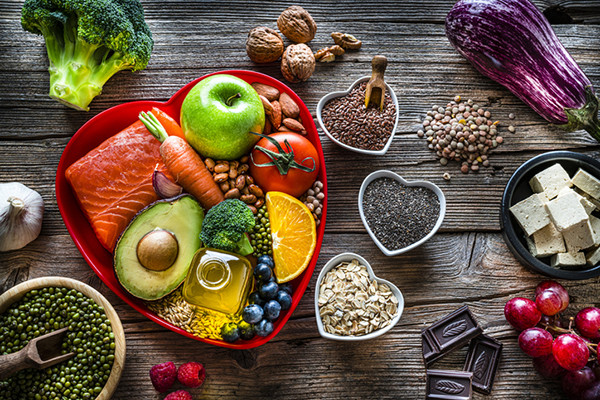
A successful heart healthy diet plan includes foods that actively support cardiovascular strength and reduce risk factors like high cholesterol and hypertension. Fruits such as berries, apples, and oranges provide antioxidants that help protect blood vessels from damage. Vegetables like spinach, broccoli, and kale supply essential fiber and nutrients that promote better circulation and overall heart performance.
Whole grains, legumes, and lean proteins are also essential components of a heart healthy diet plan. Foods like oats, quinoa, lentils, chicken, fish, and tofu provide long-lasting energy while supporting muscle and heart function. Healthy fats from sources such as nuts, seeds, and olive oil help maintain good cholesterol levels. Together, these foods create a strong nutritional foundation for long-term heart wellness.
Foods to Limit for Better Heart Health
To make a heart healthy diet plan effective, it is important to limit or avoid foods that negatively impact cardiovascular health. Highly processed foods, fast food meals, and packaged snacks often contain trans fats, excess sodium, and refined sugars that increase the risk of heart disease. Regular consumption of these foods can lead to weight gain, high blood pressure, and poor cholesterol balance.
Sugary beverages, processed meats, and deep-fried foods should also be reduced significantly. These items contribute to inflammation and arterial blockage over time. A properly followed heart healthy diet plan focuses on replacing these harmful foods with healthier alternatives that support natural energy levels and promote better long-term heart function without compromising taste or satisfaction.
Practical Meal Planning for Daily Life
A practical heart healthy diet plan should be easy to follow in everyday life without requiring complicated recipes or expensive ingredients. Breakfast options like oatmeal with fruits, whole grain toast, or yogurt with nuts provide a nutritious start to the day. These meals help stabilize energy levels and keep cholesterol under control throughout the morning hours.
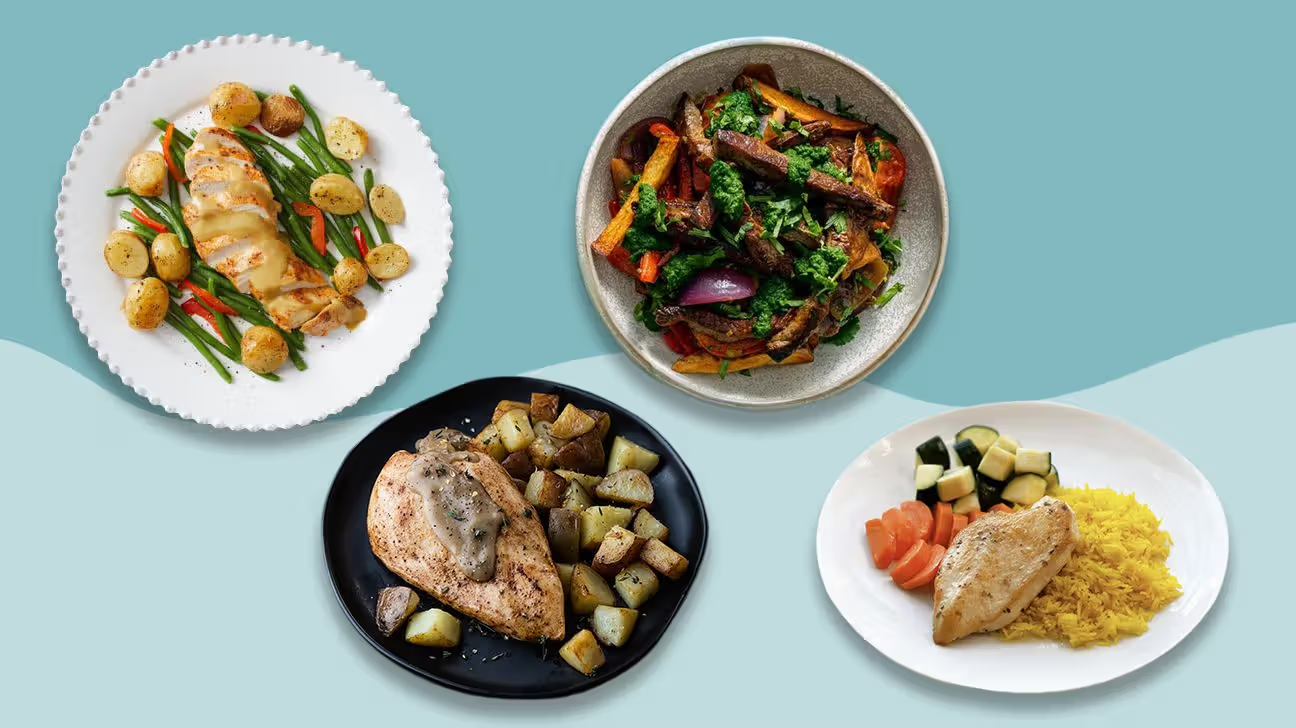
Lunch and dinner in a heart healthy diet plan should focus on balance and variety. A typical meal may include grilled fish or chicken, a serving of whole grains, and a large portion of vegetables. Snacks such as fruits, almonds, or hummus can help maintain energy between meals. This structured approach ensures consistent nourishment while preventing overeating and unhealthy cravings.
Lifestyle Habits That Support Heart Health
A heart healthy diet plan becomes more effective when combined with positive lifestyle habits. Regular physical activity such as walking, cycling, or light exercise helps improve blood circulation and supports cardiovascular strength. Even small daily movements can make a significant difference when maintained consistently over time.
Managing stress, staying hydrated, and getting enough sleep are equally important. Chronic stress can negatively affect heart health, while proper rest allows the body to recover and function efficiently. When these habits are combined with a heart healthy diet plan, they create a powerful foundation for long-term wellness and disease prevention.
Conclusion
A heart healthy diet plan is more than just a temporary eating routine; it is a lifelong commitment to better health and wellbeing. By focusing on whole foods, balanced nutrition, and mindful eating habits, individuals can significantly reduce the risk of heart disease while improving overall quality of life. This approach is flexible, realistic, and suitable for long-term use.
Consistency remains the most important factor in achieving results. A well-implemented heart healthy diet plan not only supports heart function but also enhances energy levels, mental clarity, and physical fitness. Over time, these benefits create a stronger, healthier body capable of handling modern lifestyle challenges with greater resilience.
You may also read: Diet Strategies to Lower LDL Naturally