Heart health is one of the most important foundations of overall wellness because the cardiovascular system supports every organ in the body. When the heart functions efficiently, it ensures proper oxygen and nutrient delivery, helping the body maintain energy, strength, and balance. Poor lifestyle choices, especially unhealthy eating habits, can gradually weaken heart performance and increase long-term health risks.
Understanding Foods Good for Heart Health is essential for preventing cardiovascular disease and improving quality of life. A balanced diet rich in natural nutrients can reduce cholesterol buildup, improve blood circulation, and support healthy blood pressure levels. When combined with awareness and consistent healthy habits, nutrition becomes a powerful tool for long-term heart protection.
Why Diet Matters for Cardiovascular Wellness
Diet plays a direct role in determining how well the heart functions over time. Foods high in saturated fats, sugar, and sodium can increase plaque buildup in arteries, leading to restricted blood flow. On the other hand, nutrient-dense foods help maintain clean arteries, stable cholesterol levels, and healthy blood pressure, reducing the risk of heart-related complications.
Choosing Foods Good for Heart Health consistently can significantly reduce inflammation and oxidative stress in the body. These foods provide essential vitamins, minerals, and antioxidants that strengthen blood vessels and support heart muscle function. Over time, a healthy diet becomes one of the most effective forms of preventive care for cardiovascular wellness.
Best Foods Good for Heart Health (Core Nutrients and Examples)
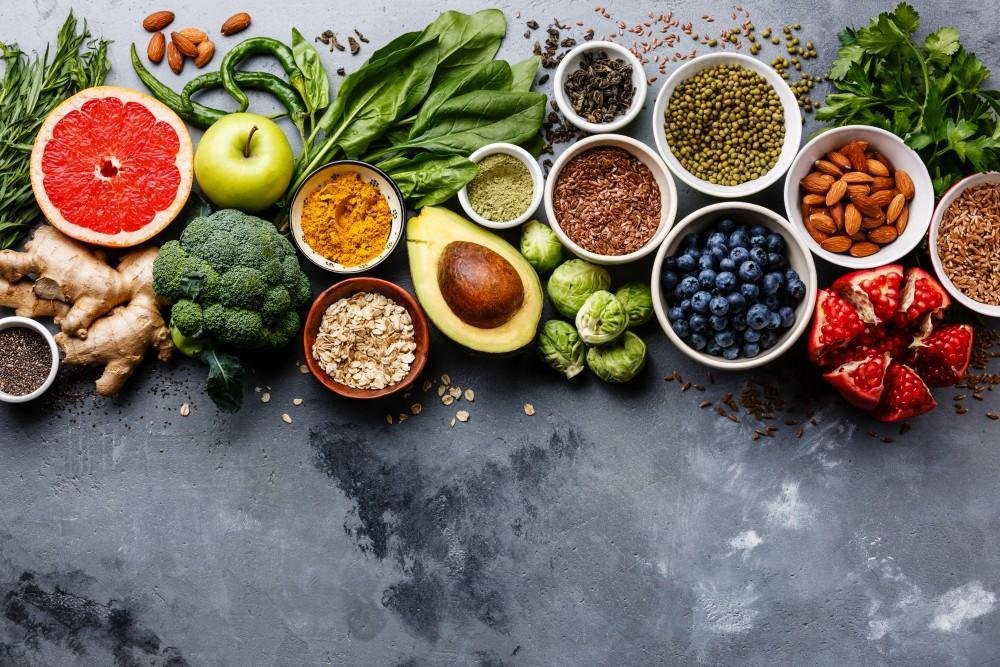
A heart-friendly diet includes a wide variety of whole, minimally processed foods that provide essential nutrients. Leafy green vegetables such as spinach, kale, and broccoli are rich in nitrates and antioxidants that support blood vessel flexibility and improve circulation. These vegetables are a core part of Foods Good for Heart Health, helping to naturally regulate blood pressure and support overall cardiovascular balance.
Fatty fish like salmon, sardines, and mackerel are also excellent sources of omega-3 fatty acids, which help reduce inflammation and support healthy heart rhythms. Alongside these, whole grains such as oats and quinoa provide fiber that helps lower LDL cholesterol. Nuts, seeds, fruits, and healthy oils like olive oil further enhance heart protection by improving lipid balance and reducing oxidative stress.
Foods to Limit for a Healthier Heart

While focusing on healthy foods is essential, avoiding harmful dietary choices is equally important. Processed foods, fast foods, and packaged snacks often contain trans fats, excessive sodium, and added sugars that can negatively affect heart function. These ingredients contribute to weight gain, high blood pressure, and increased cholesterol levels, all of which raise cardiovascular risk.
Reducing intake of red and processed meats is also important for maintaining heart health. These foods are often high in saturated fats, which can contribute to arterial plaque buildup over time. Limiting such foods while increasing Foods Good for Heart Health helps create a balanced nutritional approach that supports long-term cardiovascular wellness.
Lifestyle Habits That Strengthen Heart Health
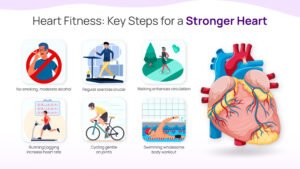
Healthy eating alone is not enough; lifestyle habits also play a major role in improving cardiovascular function. Regular physical activity, such as walking, cycling, or swimming, strengthens the heart muscle and improves blood circulation. Exercise also helps maintain a healthy weight, which reduces strain on the heart and lowers the risk of disease.
Stress management and quality sleep are equally important for maintaining heart health. Chronic stress can increase blood pressure and inflammation, while poor sleep can negatively affect metabolism and heart function. When combined with Foods Good for Heart Health, these lifestyle habits create a strong foundation for long-term cardiovascular stability.
Supplements, Vitamins, and Heart Support Options
Although whole foods should always be the primary source of nutrition, supplements can sometimes provide additional support. Omega-3 supplements, CoQ10, magnesium, and vitamin D are commonly associated with cardiovascular benefits. These nutrients may help improve heart function, support energy production in heart cells, and reduce inflammation when used appropriately.
However, it is important not to rely solely on heart health supplements or heart health tablets as a solution. Supplements should complement a healthy diet rather than replace it. The most effective approach always begins with Foods Good for Heart Health, combined with professional guidance when considering any form of supplementation.
Long-Term Strategy for Maintaining a Healthy Heart
Maintaining heart health requires consistency rather than short-term changes. A long-term strategy includes adopting a balanced diet, staying physically active, and regularly monitoring cardiovascular health. Eating Foods Good for Heart Health daily helps ensure that the body receives the nutrients it needs to function efficiently and resist disease.
Preventive care is also an essential part of long-term heart wellness. Regular checkups, including blood pressure and cholesterol monitoring, can help detect early signs of risk. When combined with healthy lifestyle habits, these preventive measures ensure that the heart remains strong and resilient over time.
Conclusion
Heart health is deeply connected to daily lifestyle choices, especially diet and physical activity. Building a routine centered around Foods Good for Heart Health can significantly reduce the risk of cardiovascular disease while improving overall energy and well-being. Small, consistent improvements in eating habits can lead to long-term positive outcomes for heart function.
Ultimately, a healthy heart is the result of balanced nutrition, regular exercise, and mindful living. By focusing on whole foods, reducing processed ingredients, and maintaining an active lifestyle, individuals can naturally strengthen their cardiovascular system. Over time, these habits create a sustainable path toward lifelong heart wellness and improved quality of life.
You may also read: Foods to Limit for Better Heart Health