A high blood pressure diet plan is a structured nutritional approach designed to help individuals manage hypertension through everyday food choices. Instead of relying only on medication or temporary fixes, this plan focuses on long-term dietary habits that support heart health, improve blood circulation, and reduce strain on arteries. It is especially important in today’s lifestyle where processed foods, stress, and inactivity are major contributors to rising blood pressure levels across all age groups.
A well-designed high blood pressure diet plan is not restrictive in a harmful way; instead, it encourages balance and nutrient-rich eating. It emphasizes whole foods like vegetables, fruits, lean proteins, and whole grains while reducing sodium and unhealthy fats. Over time, this approach helps stabilize blood pressure naturally, making it one of the most recommended lifestyle strategies by health professionals worldwide.
What Is High Blood Pressure
High blood pressure, also known as hypertension, is a medical condition where the force of blood pushing against artery walls remains consistently too high. This condition often develops silently, meaning many individuals may not realize they have it until serious complications arise. Understanding what high blood pressure means is essential for prevention, early detection, and effective lifestyle changes.
When blood pressure remains elevated over time, it can damage blood vessels and increase the risk of heart disease, kidney failure, and stroke. Many people only learn about the condition after routine checkups, which is why awareness is critical. A high blood pressure diet plan plays an important role in controlling this condition before it progresses into more serious health issues.
Causes and Risk Factors of High Blood Pressure
There are several causes of high blood pressure, and most are linked to lifestyle habits. Excessive salt intake, poor diet quality, lack of physical activity, obesity, and chronic stress are among the most common contributors. Genetic factors can also increase susceptibility, meaning some individuals are more likely to develop hypertension regardless of lifestyle choices.
Other risk factors include smoking, alcohol consumption, and underlying health conditions such as kidney disease. In modern health discussions, high blood sugar is also recognized as a contributing factor, as it can damage blood vessels over time. Following a high blood pressure diet plan helps reduce many of these risks by promoting healthier food choices and improving overall metabolic balance.
Symptoms and Signs of High Blood Pressure
High blood pressure is often called a “silent condition” because it usually does not show obvious symptoms in its early stages. However, in some cases, individuals may experience headaches, dizziness, shortness of breath, or blurred vision. These symptoms typically appear when blood pressure has already reached dangerously high levels, making regular monitoring extremely important.
In more severe cases, signs such as chest discomfort, fatigue, or irregular heartbeat may occur. While symptoms are not always reliable indicators, they should never be ignored. A high blood pressure diet plan helps reduce the risk of symptom development by addressing the root causes of hypertension rather than just managing its effects.
How the DASH Diet Supports Blood Pressure Control
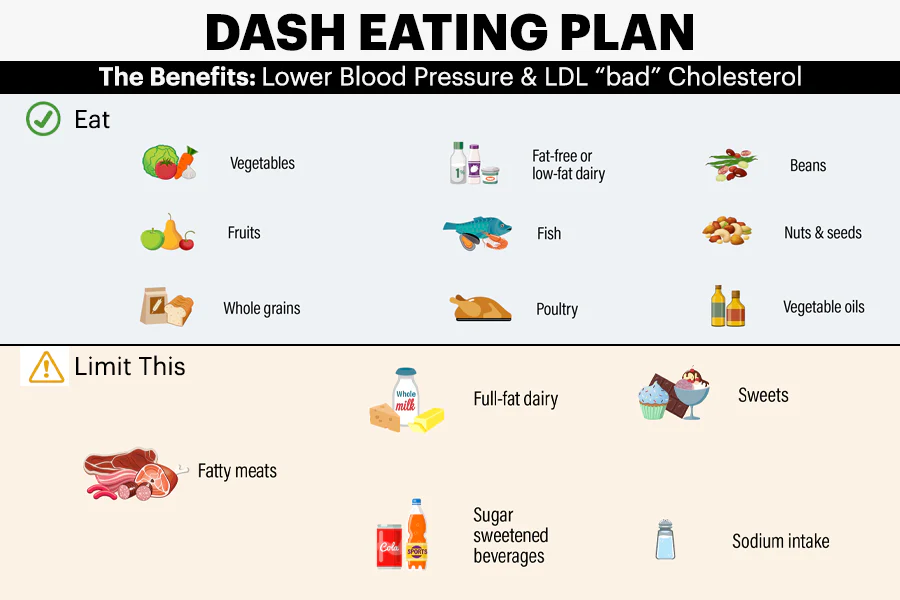
The DASH (Dietary Approaches to Stop Hypertension) diet is the foundation of a scientifically supported high blood pressure diet plan. It focuses on consuming nutrient-dense foods that are naturally low in sodium and rich in potassium, magnesium, and calcium. These nutrients play a key role in relaxing blood vessels and improving overall cardiovascular function.
By following the DASH approach, individuals gradually shift away from processed and high-sodium foods toward whole, natural ingredients. This transition supports long-term blood pressure reduction and overall heart health. A high blood pressure diet plan based on DASH principles is widely recommended because it delivers measurable improvements without extreme dietary restrictions.
7-Day Diet Plan Approach for Blood Pressure Management
A structured weekly eating approach is one of the most effective ways to implement a high blood pressure diet plan. Instead of focusing on complicated rules, this method encourages simple, repeatable meals built around whole foods. Each day includes balanced portions of fruits, vegetables, whole grains, and lean proteins, helping the body adapt gradually to healthier eating habits.
Consistency is key in this approach, as the body responds better to steady dietary improvements rather than sudden changes. A high blood pressure diet plan designed over seven days helps individuals build long-term discipline while reducing sodium intake and improving nutrient absorption. This makes it easier to maintain healthy blood pressure levels over time.
Foods That Help Reduce High Blood Pressure
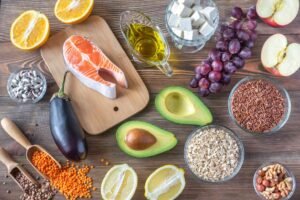
Certain foods have a powerful effect on lowering blood pressure naturally. Leafy green vegetables, bananas, berries, oats, legumes, and low-fat dairy products are especially beneficial. These foods are rich in essential nutrients that support heart function and help regulate fluid balance in the body.
Incorporating these ingredients into a high blood pressure diet plan ensures that the body receives adequate potassium, fiber, and antioxidants. These nutrients help reduce arterial stiffness and improve blood flow. Over time, consistent consumption of these foods contributes to more stable blood pressure levels and improved cardiovascular health.
Lifestyle Changes to Support Blood Pressure Control
Diet alone is not enough to fully manage hypertension; lifestyle changes are equally important. Regular physical activity such as walking, swimming, or cycling helps strengthen the heart and improve circulation. Stress management techniques like meditation and deep breathing also play a major role in maintaining stable blood pressure levels.
Sleep quality and weight management further influence cardiovascular health. When combined with a high blood pressure diet plan, these lifestyle adjustments create a strong foundation for long-term improvement. Together, they help reduce dependency on medication and support overall well-being in a sustainable way.
Treatment and Medication Considerations
In some cases, lifestyle changes may not be sufficient, and medical treatment becomes necessary. Doctors may prescribe medication to help regulate blood pressure levels and reduce the risk of complications. These medications are highly effective when taken correctly and monitored regularly.
However, even with medication, a high blood pressure diet plan remains essential. It enhances the effectiveness of treatment and may help reduce dosage requirements over time under medical supervision. Combining medical care with healthy eating ensures a more comprehensive approach to managing hypertension safely.
Prevention of High Blood Pressure
Preventing hypertension is often easier than treating it. A balanced diet, regular exercise, and stress control are the most effective preventive strategies. Early adoption of healthy habits significantly reduces the likelihood of developing high blood pressure later in life.
A preventive high blood pressure diet plan focuses on maintaining consistent nutrition rather than making drastic changes after diagnosis. Regular health screenings are also important for early detection. Prevention not only improves long-term health outcomes but also reduces the risk of heart-related complications.
Connection Between Blood Sugar and Blood Pressure
There is a strong relationship between high blood sugar and high blood pressure, as both conditions often stem from similar lifestyle factors. Poor diet, obesity, and inactivity contribute to both metabolic and cardiovascular imbalances. When unmanaged, these conditions can worsen each other over time.
A carefully designed high blood pressure diet plan can also help stabilize blood sugar levels by focusing on whole foods and reducing refined carbohydrates. This dual benefit makes dietary management a powerful tool for improving overall metabolic health and reducing long-term disease risk.
Conclusion
Managing hypertension requires a long-term commitment to healthier habits, and diet plays the most important role in this journey. A high blood pressure diet plan provides a structured and practical way to control blood pressure naturally while improving overall heart health. By focusing on whole foods, reducing sodium, and maintaining balance, individuals can significantly improve their quality of life.
When combined with regular exercise, stress management, and medical guidance where necessary, a high blood pressure diet plan becomes a powerful foundation for lifelong cardiovascular wellness. Consistency and awareness are key to achieving lasting results and preventing future health complications.
You may also read: Cholesterol Lowering Foods for Better Heart Health