High blood pressure is one of the most widespread health challenges in modern life, often developing quietly over many years without noticeable symptoms. This makes it especially dangerous because many people only discover it after complications appear. Understanding how to lower blood pressure naturally is essential for preventing long-term damage to the heart, kidneys, and blood vessels while improving overall quality of life through sustainable daily habits.
In today’s fast-paced lifestyle, poor diet choices, stress, lack of physical activity, and irregular sleep patterns all contribute to rising blood pressure levels. The good news is that natural approaches can be highly effective when applied consistently. This guide explores how to lower blood pressure naturally using evidence-based strategies that focus on food, movement, stress control, and long-term lifestyle improvements rather than quick, temporary fixes.
Understanding Blood Pressure and Hypertension
Blood pressure is the force of blood pushing against the walls of arteries as the heart pumps it throughout the body. When this pressure remains consistently high, it leads to hypertension, a condition that puts extra strain on the cardiovascular system. Learning how to lower blood pressure naturally begins with understanding how this pressure builds up and why it becomes dangerous when left unmanaged over time.
Hypertension is often influenced by multiple factors, including genetics, unhealthy eating habits, excess sodium intake, obesity, smoking, and chronic stress. It is frequently called a silent condition because symptoms may not appear until serious damage has already occurred. This is why early awareness and lifestyle correction are crucial steps in mastering how to lower blood pressure naturally and preventing future complications.
Diet and Foods That Support Healthy Blood Pressure
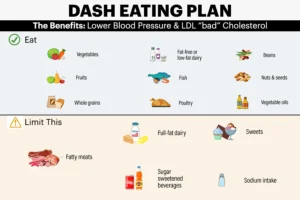
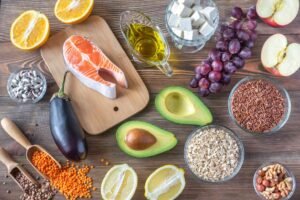
Diet plays a central role in controlling hypertension, and one of the most effective methods for how to lower blood pressure naturally is adopting nutrient-rich eating habits. Foods high in potassium, magnesium, and antioxidants help balance sodium levels in the body while improving blood vessel flexibility. Leafy greens, bananas, berries, oats, and beetroot are particularly beneficial for maintaining healthy circulation.
Reducing processed foods is equally important because they often contain hidden salt, sugar, and unhealthy fats that elevate blood pressure. Cooking fresh meals at home and choosing whole, unprocessed ingredients can significantly improve cardiovascular health. When combined with proper hydration and balanced nutrition, dietary changes become one of the strongest foundations for how to lower blood pressure naturally in a safe and sustainable way.
Exercise and Weight Management for Heart Health
Regular physical activity is one of the most reliable methods for improving heart function and reducing blood pressure levels. Activities such as brisk walking, swimming, cycling, and light strength training help the heart pump more efficiently while reducing pressure on arterial walls. Incorporating exercise into daily routines is a practical and proven approach to how to lower blood pressure naturally without relying on medication.
Weight management also plays a critical role in blood pressure control. Excess body weight forces the heart to work harder, increasing strain on the cardiovascular system. Even a small reduction in weight can lead to noticeable improvements in blood pressure readings. By combining consistent exercise with mindful eating, individuals can achieve long-term success in how to lower blood pressure naturally while also improving overall energy and well-being.
Stress Control, Sleep, and Daily Habits
Chronic stress is a major contributor to high blood pressure because it triggers the release of hormones that temporarily increase heart rate and constrict blood vessels. Learning relaxation techniques such as deep breathing, meditation, or yoga can significantly reduce stress levels. These methods are essential components of how to lower blood pressure naturally, especially for individuals with high-pressure lifestyles or demanding work environments.
Sleep quality is another often-overlooked factor in blood pressure regulation. Poor or insufficient sleep can disrupt hormonal balance and increase the risk of hypertension over time. Maintaining a consistent sleep schedule of seven to nine hours per night helps restore the body and stabilize blood pressure levels. Combined with healthy daily habits, stress and sleep management provide a powerful foundation for how to lower blood pressure naturally in the long term.
Fast Fixes vs Long-Term Natural Control
Many people search for quick solutions, but it is important to understand that most rapid methods only provide temporary relief. Techniques such as deep breathing or reducing salt intake may lower blood pressure briefly, but they do not replace long-term lifestyle improvements. True success in how to lower blood pressure naturally comes from consistent habits rather than short-term fixes or unproven “instant” tricks.
There are also many myths surrounding blood pressure control, such as claims about instant cures or shortcuts that lack scientific support. While these ideas may sound appealing, they often distract from proven methods like diet improvement, regular exercise, and stress management. A realistic and informed approach to how to lower blood pressure naturally focuses on sustainable changes that gradually improve heart health over time.
Building a Sustainable Heart-Healthy Lifestyle
Creating a long-term heart-healthy lifestyle requires consistency, awareness, and commitment to daily choices. Small habits such as choosing fresh foods, walking regularly, avoiding excessive salt, and staying hydrated contribute significantly to overall cardiovascular health. These everyday actions form the backbone of how to lower blood pressure naturally, helping individuals maintain stable readings and reduce future health risks.
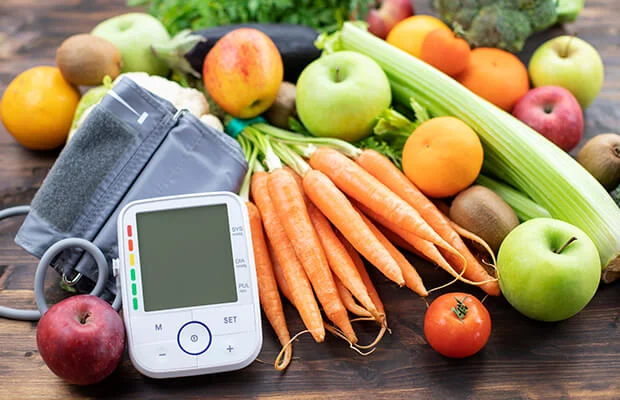
It is also important to monitor blood pressure regularly and stay aware of personal health patterns. Early detection of changes allows for timely adjustments in lifestyle before conditions worsen. When combined with healthy eating, physical activity, stress control, and proper sleep, these habits create a strong and balanced system for how to lower blood pressure naturally and support lifelong wellness.
Conclusion
Understanding how to lower blood pressure naturally is not about relying on a single solution but about building a complete and balanced lifestyle. From healthy eating and regular exercise to stress management and quality sleep, every factor plays a role in maintaining optimal heart health. These strategies work together to reduce strain on the cardiovascular system and support long-term stability.
Ultimately, natural blood pressure control requires patience and consistency. By making gradual but meaningful changes, individuals can significantly improve their health outcomes and reduce the risk of serious complications. Learning how to lower blood pressure naturally empowers people to take control of their well-being and build a healthier future without depending solely on medication.
You may also read: Natural Lifestyle Strategies to Improve Sleep Quality