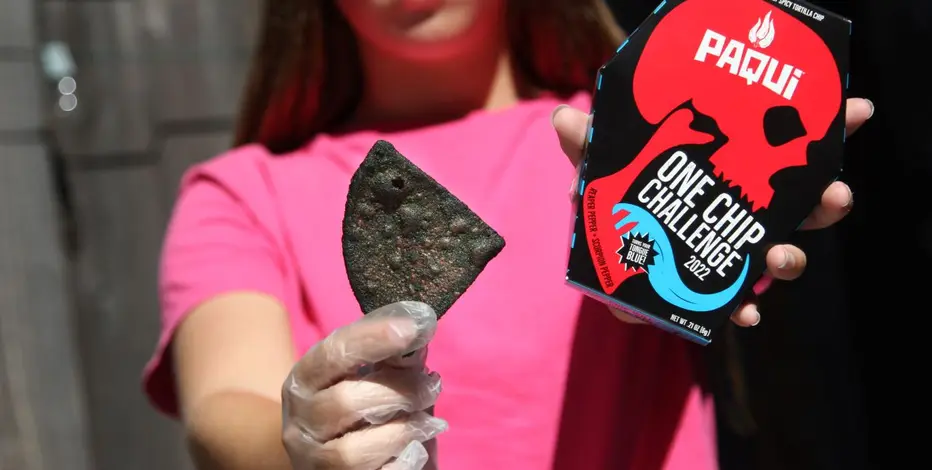
The internet has always been a breeding ground for bizarre trends, but few have matched the explosive popularity and subsequent backlash of the one chip challenge. What started as a clever marketing stunt by a popular tortilla chip brand quickly escalated into a global social media phenomenon. Millions of curious individuals, thrill-seekers, and influential content creators rushed to digital platforms to film their visceral reactions. They wanted to prove their toughness, testing just how much fiery heat their palates could endure before completely breaking down.
However, beneath the layers of digital entertainment and viral laughter lay a surprisingly dangerous reality. This extreme culinary trend pushed the boundaries of human tolerance, sparking intense conversations about safety in marketing. As videos racked up millions of views across TikTok, YouTube, and Instagram, medical professionals began noticing a disturbing pattern of emergency room visits. The cultural footprint left by this spicy sensation ultimately forced a public reckoning regarding where the line should be drawn between harmless internet fun and genuine physical hazard.
What Was the One Chip Challenge?
Created by the tortilla chip brand Paqui, the one chip challenge was designed as a supreme test of willpower, physical endurance, and sheer stubbornness. The core concept was deceptively simple: participants had to eat a single, exceptionally spicy tortilla chip coated in terrifyingly potent pepper dust. The golden rule of the game required contestants to see how long they could survive without drinking water, milk, or eating any other food to cool down the burning sensation in their mouths and throats.
To turn this fiery trial into a competitive game, a structured ranking system tracked how long individuals managed to endure the agony. Surviving five minutes earned participants the lightweight title, while lasting ten minutes bumped them up to welterweight status. Pushing through thirty minutes secured a middleweight ranking, and surviving a grueling full hour crowned the participant as a heavyweight champion. This gamified approach fueled endless competitive videos online, encouraging everyday fans to test their limits against friends and family members.
The History and Evolution of the Trend
Running prominently from 2016 through 2023, the one chip challenge evolved rapidly as the brand sought out increasingly aggressive ingredients to maintain public interest. Over the successive years of production, the chip formulation incorporated some of the hottest peppers known to botanical science. Contestants faced formulations packed with the fiery wrath of the Carolina Reaper, the Trinidad Scorpion, and the Ghost Pepper. Each annual release promised a more intense, tear-inducing experience than the previous iteration, raising the stakes for anyone brave enough to participate.
Digital influencers, popular YouTubers, and everyday content creators capitalized massively on the shock value, driving unprecedented organic engagement across social networks. This aggressive digital marketing strategy successfully transformed what could have been a seasonal gimmick into a massive cultural touchstone. Yet, as the heat levels escalated year after year, the risk factor grew exponentially behind the scenes. This continuous escalation set the stage for an inevitable regulatory clash, shifting public perception from amusement to deep concern as safety reports began to mount.
Why Was the One Chip Challenge Banned and Discontinued?

The primary driver behind the ultimate downfall and discontinuation of the one chip challenge was an overwhelmingly concentrated dose of capsaicin. Capsaicin is the natural chemical compound that gives chili peppers their characteristic heat, but in these heavily concentrated laboratory-engineered doses, it acts as a severe chemical irritant. High levels of capsaicin can easily overwhelm the human digestive system and nervous system, leading to acute medical emergencies and severe health complications worldwide.
Contestants frequently reported experiencing agonizing abdominal pain, intense gastrointestinal distress, and violent bouts of vomiting that put them at risk of severe esophageal damage. More alarming medical incidents involved breathing difficulties, chest pain, and neurological disturbances such as severe, debilitating headaches or sudden fainting spells. These compounding health risks, alongside tragic school incidents and hospitalizations, ultimately forced Paqui to permanently pull the product from store shelves and halt all future manufacturing of the viral chip.
Can You Still Buy Alternative Spicy Snacks?
Even though the official one chip challenge has been permanently discontinued and pulled from retail shelves, the public appetite for extreme spice refuses to fade away entirely. Numerous third-party manufacturers, copycat brands, and international alternative companies have eagerly rushed to fill the lucrative market void left behind. Online marketplaces and specialized snack websites still feature various replica spicy chip challenges designed specifically for thrill-seekers who are looking to recreate the suspenseful viral experience in their own homes.
However, consumers should always exercise extreme caution when purchasing these unauthorized or alternative products through unregulated online channels. Without proper corporate quality control and standardized safety warnings, these high-capsaicin snacks can pose health hazards just as severe as the original version. Moderation, common sense, and personal health awareness remain absolutely crucial for anyone who feels tempted to dabble in the modern market of extreme novelty foods.
Conclusion and Final Reflections
The fascinating trajectory of the one chip challenge serves as an essential cautionary tale regarding the powerful intersection of social media culture and aggressive product marketing. What initially began as a fun, lighthearted test of human endurance ultimately highlighted the delicate balance that must exist between viral entertainment and consumer safety. Brands, marketers, and content creators must navigate these ethical boundaries much more carefully to prevent unnecessary harm to impressionable audiences.
As internet trends continue to evolve at a breakneck pace, audiences will undoubtedly remain captivated by spectacles of human endurance and daring feats. However, the lasting legacy left behind by this notorious spicy phenomenon proves beyond a shadow of a doubt that human health and safety must always outweigh the pursuit of digital clout. Recognizing these crucial boundaries ensures that future online challenges remain memorable for all the right reasons rather than turning into medical emergencies.
Frequently Asked Questions
Why did the One Chip Challenge get banned?
It was discontinued and permanently pulled from store shelves following severe health risks, hospitalizations, and tragic incidents linked to extremely high concentrations of capsaicin.
How hot was the one chip challenge?
It featured some of the most aggressive chili peppers in the world, including the Carolina Reaper, Trinidad Scorpion, and Ghost Pepper, engineered to push human physical limits to the absolute extreme.
Can you still buy the original Paqui product today?
No, official production by Paqui has ended completely, though various third-party alternative brands and copycat spicy snacks can still occasionally be found across online marketplaces.
What does high capsaicin do to the human body?
A: High doses can trigger intense mouth and throat pain, severe abdominal cramps, violent vomiting, breathing difficulties, and neurological effects such as sudden fainting or intense, debilitating headaches.
You may also read: Optimal Dosage and Delivery Formats: Why 500mg Is the Sweet Spot