When your intricate digestive system is compromised by illness, your body sends immediate, undeniable signals through your daily bowel habits. Sudden, unexplained shifts in your regular gastrointestinal routine can trigger an enormous amount of emotional anxiety and physical discomfort, leaving you wondering exactly what is occurring deep inside your digestive tract. Paying close attention to the visual characteristics of your stool is one of the most effective ways to understand your current colon health and detect underlying inflammation early. If you are currently navigating a painful episode of abdominal distress, you are likely asking a crucial question: what does poop look like with diverticulitis?
Diverticulitis occurs when small, bulging pouches called diverticula, which naturally develop over time in the weaker sections of your intestinal walls, become acutely inflamed or infected by trapped waste or harmful bacteria. While the mere presence of these tiny pockets is typically a quiet and unnoticeable structural condition, an active flare-up fundamentally disrupts how solid waste moves through your body. The resulting severe swelling, tissue irritation, and localized muscle spasms cause your stool to change dramatically in texture, color, volume, and physical shape, providing clear visual clues that your lower digestive tract requires immediate medical attention and strategic care.
Diverticulosis vs. Diverticulitis: The Visual Baseline
To accurately comprehend your developing symptoms, it is vitally important to distinguish between the two distinct stages of this common structural colon condition. Diverticulosis simply means you have developed small, outward-facing pouches within your large intestinal wall, which rarely causes noticeable everyday symptoms or any observable changes to your standard bowel movements. When trying to determine what does poop look like with diverticulitis, you must first realize that baseline diverticulosis generally looks entirely normal and healthy, though a long-standing history of chronic constipation and painful straining during bowel movements is often the hidden underlying factor that formed the pouches in the first place.
Everything changes dramatically when these quiet, dormant pockets become completely obstructed by hardened waste or pathogenic bacteria, triggering a sudden and acute inflammatory response from your immune system. As the delicate colon lining swells rapidly and narrows the natural pathway for digestive waste, the entire muscular system of your lower gut struggles to process solid material efficiently. This internal biological chaos is the direct reason why your stool habits fluctuate so wildly and unpredictably during a major flare-up, swinging aggressively between dense, compacted masses and fluid-heavy evacuations as your body desperately attempts to purge the underlying infection.
Visual Appearance of Stool During an Active Flare-Up
When inspecting your bowel movements during an active digestive flare-up, you will quickly observe that the physical waste varies incredibly based on how intensely your colon is currently irritated. Many patients anxiously wonder, what does poop look like with diverticulitis when the painful infection is actively peaking within the body? Typically, the acute inflammation severely alters the moisture content of your waste, causing it to look like small, dry, hard pellets resembling rabbit droppings because the inflamed colon dramatically slows down natural muscular motility and absorbs far too much water from the stagnant stool.
Conversely, the intense internal bacterial infection can trigger the exact opposite biological reaction, manifesting as sudden, uncontrollable bouts of loose, watery diarrhea that disrupt your entire day. This frustrating symptom happens because the highly irritated colon lining undergoes rapid, uncoordinated muscle spasms, aggressively pushing the liquid waste through the lower tract before your digestive system can properly absorb fluids or form solid matter. Understanding these two drastic structural and textural variations can help you identify a developing internal digestive crisis well before your painful physical symptoms worsen significantly.
Shape and Additions in Diverticulitis Stool
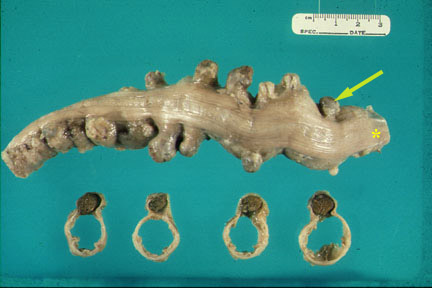
Beyond mere texture and consistency variations, the severe physical swelling inside your lower digestive tract visibly reshapes the physical waste before it ever exits your body. If you look closely at the changes in your bathroom habits, you will get a clearer picture of what does poop look like with diverticulitis regarding its shape and color. You may frequently notice an abundance of thick, jelly-like mucus heavily coating the exterior surface of your stool or floating independently in the toilet water, which is your body’s natural defensive response to severe colon inflammation. Furthermore, as the internal passageway becomes dangerously narrowed by the swollen, infected tissue pockets, the soft waste mass is compressed into a distinct, unmistakable pencil-thin or ribbon-like shape as it squeezes through the tight space.
The most alarming and visually striking sign to watch for during a toilet inspection is the unmistakable presence of bright red blood streaks or dark, maroon-colored blood mixed directly into your bowel movements. This frightening visual happens because the tiny, exceptionally fragile blood vessels located inside the infected diverticular pouches can easily rupture under the intense pressure of straining or severe inflammation. If you are tracking what does poop look like with diverticulitis when bleeding occurs, notice that persistent rectal bleeding, large blood clots, or dark, sticky, tarry stools mean it is an absolute medical priority to contact a qualified healthcare provider immediately for an urgent clinical evaluation.
Comparing Diverticulitis Stool to Other GI Conditions
It is incredibly common for everyday individuals to confuse different gastrointestinal issues because many distinct digestive tract diseases share highly overlapping symptoms and visual stool presentations. For example, individuals routinely question what does poop look like with diverticulitis compared to chronic conditions like Irritable Bowel Syndrome (IBS) or Inflammatory Bowel Disease (IBD). While basic IBS causes persistent cramping, gas, and alternating bowel habits over many years, it completely lacks the severe, acute inflammatory infection profile, elevated white blood cell counts, and sudden high fevers that characterize a true diverticulitis attack.
Furthermore, analyzing these distinct visual changes helps experienced gastroenterologists rule out even more serious colorectal conditions, such as progressive bowel malignancies or severe, underlying liver complications. Colorectal cancer often causes persistent, unyielding pencil-thin stools and dark, hidden occult blood over several months without the sudden, sharp, localized left-sided abdominal pain that typically defines an infected intestinal pouch. Keeping a detailed, written log of your physical symptoms and stool appearances ensures your medical team can accurately differentiate between a temporary bacterial infection and chronic, long-term systemic diseases.
Medical Diagnosis: What Poop and Tissue Look Like on Scans
You simply cannot diagnose a highly complex internal digestive infection or differentiate its source by looking down into the toilet bowl, which is why advanced medical imaging is entirely necessary for your safety. When a patient presents to an emergency room or clinic with severe, localized abdominal distress, doctors rely heavily on high-resolution radiological technology to view the internal structures of the abdomen. While patients naturally ask what does poop look like with diverticulitis, doctors are focused on what the colon itself looks like on a contrast-enhanced computed tomography (CT) scan, which is the absolute gold standard for confirming this diagnosis by showing swollen colon walls and inflamed pouches.
In highly complex, atypical, or ambiguous clinical cases, a medical specialist might request a detailed pelvic magnetic resonance imaging (MRI) scan to carefully evaluate the surrounding soft tissues for deep-seated complications. These incredibly sophisticated scans allow your care team to check for dangerous localized fluid collections, hidden internal abscesses, or abnormal, infected tissue tracts called fistulas that can connect the colon to other organs. Experiencing this degree of severe internal tissue swelling explains precisely why your body alters the shape of your waste, transforming your regular movements into the thin, irregular shapes you observe during an illness.
When to Seek Urgent Medical Care for Stool Changes
Monitoring the visual presentation and daily frequency of your bowel movements is an excellent personal health habit, but you must always evaluate these changes within the context of your entire clinical picture. A noticeable change in your digestive waste structure is rarely an isolated event when an active, dangerous bacterial infection is taking hold in your lower abdomen. Beyond the simple question of what does poop look like with diverticulitis, you must always evaluate these sudden bowel changes alongside the classic clinical triad of an acute flare-up, which prominently includes sharp, persistent lower left-sided abdominal pain, a sudden high fever, and persistent, debilitating nausea.
If you begin experiencing uncontrollable projectile vomiting, severe chills that cause shaking, or notice large, alarming amounts of dark blood pooling heavily in the toilet water, you must seek emergency medical care immediately. These red-flag symptoms strongly indicate that an infected, swollen pouch may have completely ruptured or formed a dangerous, life-threatening obstruction within your intestines. Waiting too long to address these critical warning signs can easily lead to severe, widespread internal infections like peritonitis, which require emergency surgical intervention and intensive intravenous antibiotic therapy.
Conclusion and Final Digestive Health Takeaways
In summary, the comprehensive answer to what does poop look like with diverticulitis is that it changes dynamically and unpredictably, ranging from hard, dry pellets to loose, entirely watery diarrhea. The intense bacterial inflammation and tissue swelling inside your lower gut completely disrupts normal, healthy digestion, resulting in visible protective mucus coatings, narrow ribbon-like shapes, and occasional dark blood streaks. Recognizing these five key visual signs empowers you to take proactive, informed control of your digestive wellness and speak confidently with medical professionals.
However, you should never attempt to self-diagnose or treat complex internal medical conditions based solely on the visual appearance of your toilet water. If you suspect your colon pouches are actively inflamed or infected, scheduling a comprehensive, in-person evaluation with a qualified gastroenterologist is the safest and most effective step forward for your long-term health. With a personalized medical treatment plan, targeted therapies, and temporary liquid dietary adjustments, you can successfully soothe your highly irritated gut and gently guide your bowel habits back to a normal, healthy baseline.
Frequently Asked Questions (FAQs)
How long does it take for poop to go back to normal after a diverticulitis flare-up?
It generally takes anywhere from two to six full weeks for your standard bowel movements to completely stabilize and return to normal after an acute digestive episode. This healing timeline depends heavily on the initial structural severity of the infection, how quickly you initiated proper medical treatment, and how gradually and safely you reintroduce dietary fiber to allow the delicate colon lining to repair its cellular structure completely.
Does diverticulitis poop have a distinct or foul smell?
Yes, stools passed during an active, infected flare-up often display a uniquely putrid, exceptionally foul, and chemical-like odor that is vastly different from your normal baseline. This intense, highly unpleasant smell is caused directly by the active, multiplying bacterial infection thriving inside the colon pouches, combined with altered transit times that allow stagnant waste to ferment improperly within the lower intestinal tract.
Can you pass mucus without any actual stool during an attack?
Yes, it is highly common and biologically expected to pass pure, isolated mucus without any solid fecal waste during a severe, acute diverticulitis flare-up. Because the lining of your large intestine is profoundly irritated and inflamed, it continually overproduces protective, jelly-like slime, which you may frequently expel independently due to continuous, painful muscle spasms that mimic the urge to have a bowel movement.
Is poop permanently thin after experiencing a diverticulitis episode?
No, thin, narrow, or ribbon-like stools are typically a temporary and highly reversible symptom caused by acute muscular swelling compressing the internal intestinal pathway. Once the underlying bacterial infection completely clears up and the localized tissue swelling resolves through proper medical treatment, your internal colon diameter will widen back out, and your stool should naturally return to its normal, healthy caliber.
You may also read: Structural Battles: Oral-B vs. Sonic Alternative Frameworks