Introduction
Stomach ulcers are painful sores that form in the lining of the stomach or the upper part of the small intestine. They can significantly impact daily life, causing discomfort, nausea, bloating, and even serious complications if left untreated. Many people search for “what is the fastest way to cure a stomach ulcer?” to relieve symptoms and restore normal digestive health. Rapid healing depends on understanding the root cause, following proper medical treatment, and making lifestyle adjustments that support recovery.
Ulcers are more common than many realize, affecting millions of people worldwide. Ignoring early symptoms or relying solely on home remedies can prolong healing and increase the risk of bleeding or perforation. Combining professional medical care with dietary and lifestyle interventions is essential. This guide will provide a comprehensive approach to healing stomach ulcers effectively, offering actionable strategies for both immediate relief and long-term prevention.
Understanding Stomach Ulcers
A stomach ulcer, also called a peptic ulcer, is an open sore that develops when the protective lining of the stomach is weakened, allowing digestive acids to damage the tissue. Ulcers can occur in the stomach itself (gastric ulcers) or in the upper part of the small intestine (duodenal ulcers). The condition is often painful, and its severity can range from mild irritation to a serious health risk that requires urgent medical care.
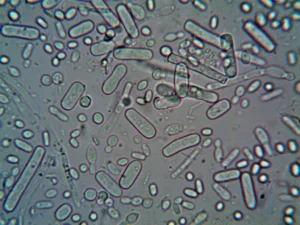
The development of ulcers is influenced by multiple factors, including bacterial infection, medication use, and lifestyle habits. One of the most common causes is infection with H. pylori bacteria, which inflames and damages the stomach lining. Nonsteroidal anti-inflammatory drugs (NSAIDs) like aspirin and ibuprofen can also contribute by reducing the stomach’s protective mucus. Understanding these causes is crucial for determining the fastest way to cure a stomach ulcer and preventing recurrence.
Common Symptoms of Stomach Ulcers
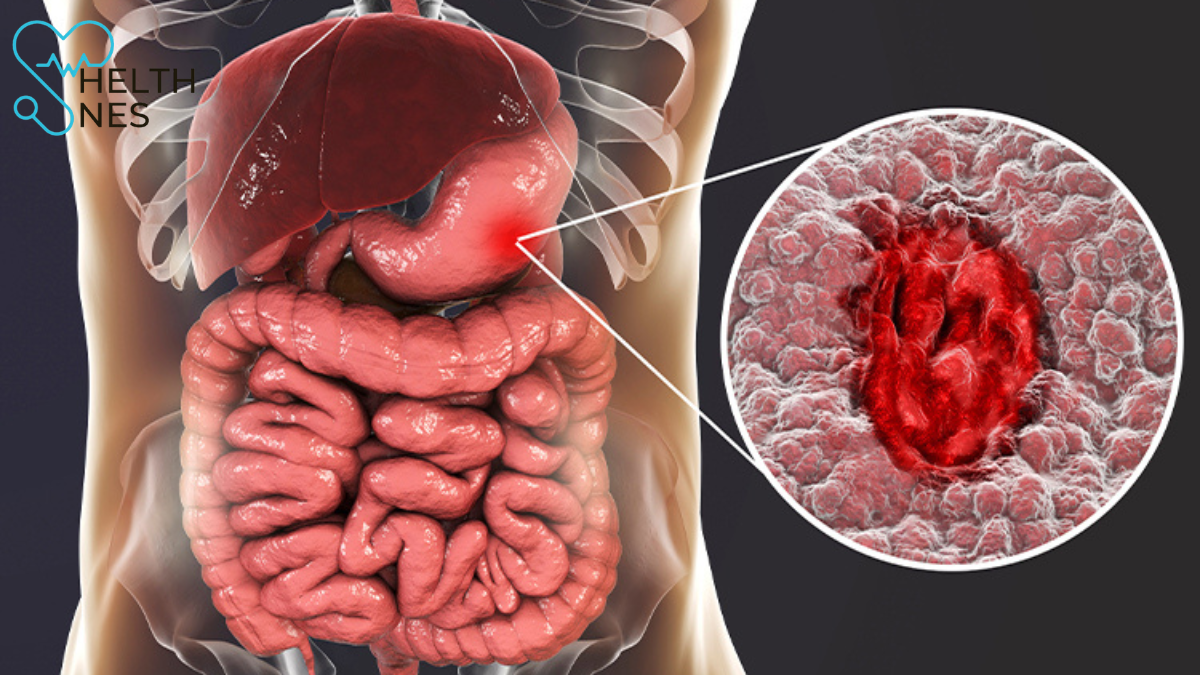
Identifying stomach ulcer symptoms early can significantly accelerate treatment and recovery. The most common signs include a burning or gnawing pain in the upper abdomen, often occurring between meals or at night. Other frequent symptoms include bloating, nausea, heartburn, and an uncomfortable fullness in the stomach after eating. These signs may appear intermittently, sometimes making them easy to overlook until the condition worsens.
In addition to physical discomfort, ulcers may lead to appetite changes, unintended weight loss, or fatigue due to impaired digestion. Some individuals experience vomiting or notice dark, tarry stools, which could indicate bleeding. Recognizing these warning signs and seeking timely medical attention is vital. Early intervention not only eases discomfort but also addresses the root cause, helping answer the question, “what is the fastest way to cure a stomach ulcer? ” efficiently and safely.
Causes and Risk Factors
The fastest way to cure a stomach ulcer begins with identifying its cause. The majority of ulcers are caused by H. pylori infections, which disrupt the stomach lining and trigger inflammation. Long-term NSAID use, including medications like ibuprofen and aspirin, is another primary culprit. These drugs reduce the stomach’s natural defenses, allowing acid to erode tissue over time. Understanding these causes is the first step toward effective treatment and rapid recovery.
Lifestyle factors also play a significant role in ulcer development and healing. Smoking increases stomach acid production and reduces blood flow to the lining, slowing recovery. Excessive alcohol intake irritates the stomach and interferes with healing processes. Chronic stress can exacerbate symptoms by affecting digestion and acid production. By addressing both medical and lifestyle risk factors, patients can accelerate the healing process and reduce the likelihood of recurring ulcers.
Medical Treatments for Fast Healing
Medical treatment is essential for curing a stomach ulcer efficiently. Doctors typically prescribe Proton Pump Inhibitors (PPIs) like omeprazole or lansoprazole to reduce stomach acid and allow the ulcer to heal. H2 blockers such as ranitidine or famotidine may also be recommended to control acid production. If an H. pylori infection is detected, a course of antibiotics is necessary to eliminate the bacteria and prevent future ulcers.
Beyond medication, healthcare professionals may suggest antacids to provide immediate symptom relief, particularly for burning or gnawing sensations. In some cases, combination therapy is required to address multiple contributing factors simultaneously. Prompt initiation of treatment under medical supervision is critical for rapid healing and minimizing complications. Following prescriptions exactly as directed and attending follow-up appointments enhances the effectiveness of treatment and ensures the ulcer heals properly.
Home Remedies and Lifestyle Changes
While medical treatment is crucial, home remedies and lifestyle modifications significantly improve recovery time. Avoiding NSAIDs, smoking, and alcohol is essential, as these irritate the stomach lining and delay healing. Stress-reducing activities like meditation, deep breathing exercises, or yoga can help reduce stomach acid production and improve digestive health. Incorporating gentle physical activity also supports overall well-being and recovery.
Certain natural remedies may complement treatment and aid in healing. Probiotic-rich foods like yogurt, kefir, and fermented vegetables help restore a healthy gut environment, which can improve digestion and reduce inflammation. Honey, particularly raw honey, has mild antibacterial properties and can soothe the stomach lining. While these remedies are not a replacement for medical care, they can enhance healing and provide comfort while medications take effect.
Diet Tips for Ulcer Recovery
Diet plays a crucial role in healing and preventing stomach ulcers. Including fiber-rich foods such as oats, whole grains, and vegetables promotes healthy digestion and helps protect the stomach lining. Non-acidic fruits like apples, pears, and bananas are gentle on the stomach and provide essential vitamins. Probiotic-rich foods, including yogurt and fermented vegetables, help maintain a healthy gut microbiome, supporting recovery.
Conversely, certain foods and beverages should be avoided during recovery. Spicy dishes, acidic foods like citrus fruits, caffeine, and carbonated drinks can irritate the ulcer and slow healing. Eating smaller, more frequent meals reduces stomach acid fluctuations and allows the lining to recover more efficiently. Maintaining proper hydration and balanced nutrition is key to restoring digestive health and achieving a faster cure.
Warning Signs and When to Seek Medical Help

Even with proper care, some ulcer symptoms require immediate medical attention. Severe abdominal pain, vomiting blood, black or tarry stools, and persistent discomfort may indicate complications such as bleeding, perforation, or obstruction. Seeking prompt medical care in these situations is essential to prevent life-threatening consequences and ensure proper treatment.
Patients should also monitor symptoms during treatment, as worsening discomfort or new signs may signal that the current therapy is insufficient. Consulting a healthcare professional allows adjustments to medications or treatment plans, ensuring the fastest recovery possible. Early intervention is critical for minimizing complications and achieving a complete, lasting cure for stomach ulcers.
Prevention Strategies for Stomach Ulcers
Preventing future ulcers is just as important as treating an existing one. Limiting NSAID use, avoiding smoking and excessive alcohol, and managing stress are essential preventive measures. Regular medical check-ups help identify and address risks before they develop into ulcers. Maintaining a healthy diet with fiber-rich and probiotic foods supports long-term digestive health.
In addition, practicing mindful eating habits, such as eating smaller meals and avoiding late-night heavy dinners, can reduce stomach acid fluctuations. Awareness of early ulcer symptoms and prompt medical consultation are crucial for long-term prevention. By combining medical treatment, lifestyle adjustments, and dietary strategies, individuals can protect their stomach lining and reduce the likelihood of recurrence.
Conclusion
The fastest way to cure a stomach ulcer is a combination of effective medical treatment, lifestyle changes, and dietary support. Medications like PPIs and antibiotics target the underlying cause, while avoiding irritants and adopting stress-reducing practices accelerate healing. Eating a gut-friendly diet and staying hydrated supports recovery, reduces symptoms, and prevents future ulcers. Prompt action and adherence to treatment plans are key to achieving complete healing safely and efficiently.
You may also read: visite a home page
FAQs
Q: What is the fastest way to cure a stomach ulcer?
A: The fastest way is to identify the cause and follow prescribed medical treatment, such as PPIs and antibiotics, while adopting supportive lifestyle and dietary changes.
Q: How long does it take for a stomach ulcer to heal?
A: Healing typically takes 4 to 8 weeks with proper treatment, but severe ulcers may require longer recovery periods.
Q: Can I treat a stomach ulcer at home?
A: Home remedies like probiotics, a healthy diet, and stress management can aid recovery, but they cannot replace medical treatment.
Q: Which foods help stomach ulcers heal faster?
A: Fiber-rich foods, non-acidic fruits, vegetables, and probiotic foods support healing and protect the stomach lining.
Q: When should I see a doctor for a stomach ulcer?
A: Seek immediate care if you experience severe abdominal pain, vomiting blood, black stools, or persistent discomfort despite treatment.
You may also read: Additional Tips for Overnight Relief