
Introduction
Lansoprazole is a widely prescribed medication in the class of proton pump inhibitors (PPIs), used to treat conditions such as acid reflux, gastroesophageal reflux disease (GERD), stomach ulcers, and other acid-related digestive issues. While it is highly effective in reducing stomach acid and promoting healing, patients often have concerns about lansoprazole side effects, both common and rare. Understanding these side effects is essential for anyone taking the drug, as it ensures safe usage and helps patients recognize when to seek medical attention.
Most people tolerate lansoprazole well, but mild symptoms like nausea, headaches, or digestive discomfort may occur, particularly during the initial stages of treatment. More serious side effects, although rare, require prompt medical attention and can affect long-term health. This article provides a comprehensive guide to lansoprazole side effects, including common issues, serious risks, long-term complications, and tips for safely managing the medication.
What is Lansoprazole?
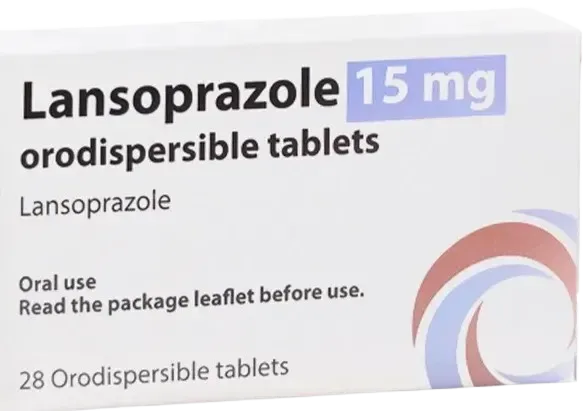
Lansoprazole works by blocking the proton pumps in the stomach lining, reducing the production of gastric acid. This action helps heal ulcers, prevents acid-related damage to the esophagus, and manages chronic heartburn. Available in oral capsule or tablet form, it is usually taken once daily before meals. Its effectiveness in controlling acid-related conditions has made it a common prescription in the UK and worldwide.
While lansoprazole is generally safe, it is important to understand what is lansoprazole side effects to ensure patients are aware of potential issues. Awareness of side effects allows individuals to differentiate between minor, manageable symptoms and serious complications requiring professional care. Patients should also be aware of dosage instructions, the recommended duration of treatment, and any pre-existing conditions that could increase the risk of adverse reactions.
Common Lansoprazole Side Effects
Many patients experience mild lansoprazole side effects, which often resolve without intervention. The most frequently reported symptoms include headaches, nausea, diarrhea, constipation, stomach discomfort, and occasional dizziness. While these effects are usually not dangerous, they can interfere with daily life if persistent. Patients are advised to monitor their symptoms and consult a healthcare professional if these effects worsen or continue beyond a few days.
Additional minor side effects may include fatigue, dry mouth, or a slight feeling of bloating. These symptoms can often be managed with simple lifestyle adjustments, such as staying hydrated, avoiding alcohol, reducing caffeine intake, and following a balanced diet. Understanding these common side effects allows patients to continue treatment safely while maintaining comfort and daily functionality.
Serious Side Effects of Lansoprazole

Although rare, serious lansoprazole side effects can occur and should not be ignored. Severe allergic reactions are among the most critical, manifesting as swelling of the face, lips, or throat, hives, or difficulty breathing. These reactions require immediate medical attention. Low magnesium levels are another potential risk, especially for long-term users, and may result in tremors, muscle spasms, convulsions, or irregular heart rhythms.
Other serious complications include kidney problems, severe diarrhea (potentially caused by C. difficile infection), and skin reactions such as rashes or lesions, particularly on sun-exposed areas. Patients experiencing these symptoms should contact a healthcare professional immediately. Recognizing serious side effects early can prevent life-threatening complications and ensure that patients continue to benefit safely from lansoprazole therapy.
Long-Term Use and Risks
Long-term use of lansoprazole, typically beyond a year, may carry additional risks. Long-term lansoprazole side effects can include bone fractures, particularly of the hip, wrist, or spine, due to impaired calcium absorption. Deficiencies in essential vitamins and minerals, such as vitamin B12 and magnesium, are also common in patients on prolonged therapy. These deficiencies can lead to fatigue, neurological issues, and overall weakened health if not monitored.
Emerging research has raised concerns about possible cognitive effects, including an increased risk of dementia in elderly patients. While evidence is not conclusive, it emphasizes the importance of regular check-ups and long-term monitoring. Doctors may recommend periodic blood tests, bone density scans, and adjustments to dosage or alternative medications to reduce the likelihood of serious complications while continuing treatment.
Lansoprazole Side Effects After Stopping
Stopping lansoprazole suddenly can trigger rebound acid secretion, a phenomenon where the stomach produces more acid than before treatment. Common coming off lansoprazole side effects include heartburn flare-ups, nausea, mild diarrhea, and temporary abdominal discomfort. These effects are usually short-lived but can be uncomfortable, particularly for patients who have been on long-term therapy.
Gradually tapering the medication under a doctor’s supervision is the safest way to discontinue use. This approach minimizes withdrawal symptoms and allows the digestive system to adjust naturally. Patients should also follow dietary recommendations, such as reducing acidic foods, avoiding large meals, and maintaining hydration, to manage symptoms effectively during the transition off lansoprazole.
Lansoprazole Side Effects in Specific Populations
Certain populations are more susceptible to lansoprazole side effects. Elderly individuals are at higher risk for kidney problems, fractures, and low magnesium levels due to pre-existing health conditions and age-related physiological changes. Children may experience rare adverse effects, and caution is advised for infants under one year, as safety has not been fully established.
Pregnant and breastfeeding individuals should consult a healthcare professional before using lansoprazole, as the drug’s safety in these populations remains limited. Patients with pre-existing conditions, such as osteoporosis, kidney disease, or cardiac issues, should also discuss risks with their doctors to ensure safe and effective treatment. Awareness and monitoring in these populations are critical to preventing complications.
Comparing Lansoprazole with Other PPIs
Lansoprazole is one of several proton pump inhibitors available. Comparing omeprazole vs lansoprazole side effects reveals similar profiles, with both drugs potentially causing mild digestive symptoms, headaches, or fatigue. Some patients may tolerate one PPI better than another based on individual sensitivity. Esomeprazole vs lansoprazole side effects and pantoprazole vs lansoprazole side effects also show minor differences in risk, often influenced by age, dosage, and treatment duration.
Doctors may recommend switching between PPIs if side effects are intolerable or if a patient has specific health considerations. Understanding the differences among medications helps patients make informed decisions and ensures long-term effectiveness while minimizing adverse effects.
Prevention and Management of Side Effects
Managing and preventing lansoprazole side effects involves both medical oversight and lifestyle adjustments. Patients should avoid triggers such as spicy foods, alcohol, and smoking while taking the medication. Taking lansoprazole before meals, maintaining proper hydration, and eating a balanced diet can significantly reduce digestive discomfort.
Regular check-ups, blood tests for magnesium and vitamin B12 levels, and bone density monitoring are essential for long-term users. Patients should communicate any persistent or concerning symptoms to their healthcare provider promptly. Early recognition and proactive management can ensure safe, effective treatment and minimize potential health risks.
Conclusion
Lansoprazole remains a highly effective medication for managing acid-related digestive conditions, but understanding lansoprazole side effects is crucial for safe use. While most effects are mild and temporary, serious and long-term risks exist, particularly with prolonged therapy or in vulnerable populations. Patients should work closely with healthcare providers, monitor their symptoms, and make lifestyle adjustments to reduce side effects and ensure optimal health outcomes.
FAQs
Q: What are the most common lansoprazole side effects?
A: Headache, nausea, diarrhea, constipation, and mild stomach discomfort are common and usually resolve on their own.
Q: Can lansoprazole cause serious complications?
A: Rarely. Severe allergic reactions, low magnesium levels, kidney issues, and C. difficile infections are possible, requiring immediate medical attention.
Q: Are long-term lansoprazole side effects dangerous?
A: Long-term use may increase the risk of bone fractures, vitamin B12 deficiency, magnesium imbalance, and cognitive effects, particularly in the elderly.
Q: How should I stop taking lansoprazole?
A: Gradually tapering under medical supervision is recommended to prevent acid rebound and withdrawal symptoms.
Q: Is lansoprazole safe for children and pregnant individuals?
A: Safety in children under one year, pregnant, or breastfeeding individuals is limited. Consultation with a healthcare provider is essential before use.
You may also read:Top Remote Patient Monitoring Companies