Cholesterol is a naturally occurring substance in the body that is essential for building cells, producing hormones, and supporting digestion. However, not all cholesterol is beneficial in high amounts. LDL cholesterol, often called “bad cholesterol,” can build up in the arteries and increase the risk of heart disease, stroke, and other cardiovascular complications when levels remain elevated over time.
Understanding how cholesterol works is important for long-term health management. Diet plays a major role in regulating cholesterol balance, and choosing the right cholesterol lowering foods can help reduce LDL levels naturally. By making informed dietary changes, individuals can support heart health, improve circulation, and reduce the risk of chronic diseases without depending entirely on medication.
Understanding Cholesterol Levels and What They Mean
Cholesterol levels are measured through a blood test that evaluates total cholesterol, LDL cholesterol, and HDL cholesterol. LDL is known as low-density lipoprotein, which contributes to plaque buildup in arteries, while HDL, or high-density lipoprotein, helps remove excess cholesterol from the bloodstream and protects the heart. Maintaining a healthy balance between these is essential for cardiovascular health.
In the UK and many other regions, cholesterol is measured in mmol/L, and interpreting results correctly is important. A total cholesterol reading above 5 mmol/L is generally considered high. For example, a level such as 7.1 is significantly elevated and may require immediate lifestyle adjustments. Regular cholesterol testing helps individuals track changes and take preventive action before serious health issues develop.
Causes and Risk Factors of High Cholesterol
High cholesterol can develop due to a combination of dietary habits, lifestyle choices, and genetic factors. Diets high in saturated fats, trans fats, and processed foods are among the leading causes. These foods increase LDL cholesterol production in the liver and reduce the body’s ability to clear excess cholesterol efficiently, leading to long-term accumulation in the arteries.
Other important risk factors include physical inactivity, smoking, excessive alcohol consumption, obesity, and certain medical conditions such as diabetes and hypothyroidism. Genetics can also play a significant role, meaning some individuals naturally have higher cholesterol levels regardless of diet. Since high cholesterol often shows no symptoms, regular screening is essential for early detection and prevention.
Cholesterol Lowering Foods for Better Heart Health

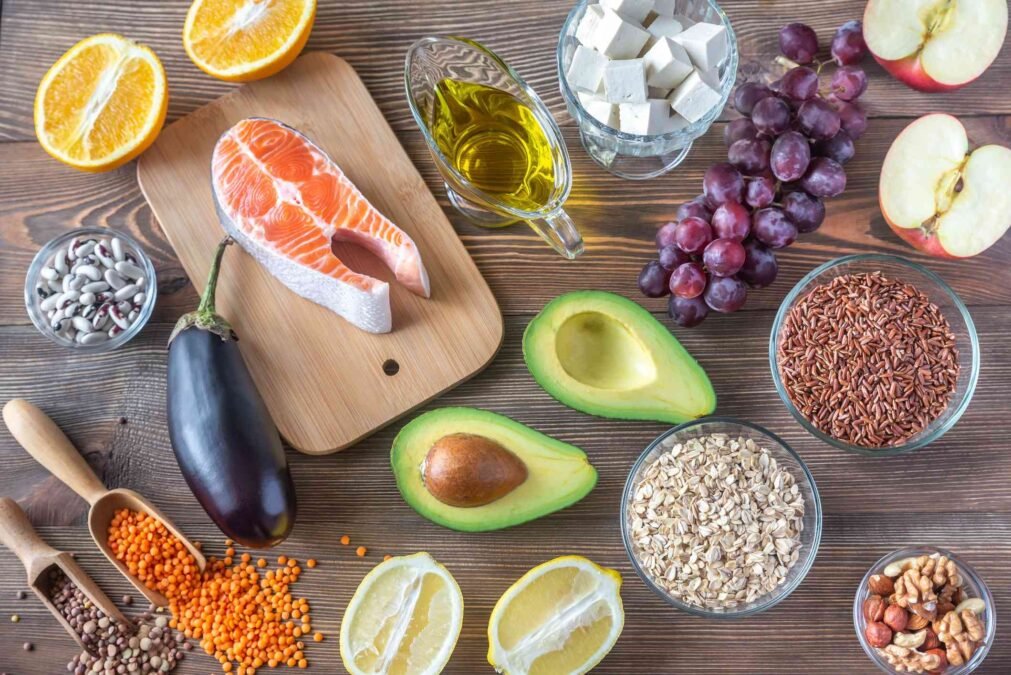
A heart-healthy diet is one of the most effective ways to manage cholesterol levels naturally. Cholesterol lowering foods such as oats, barley, beans, lentils, and whole grains are rich in soluble fiber, which helps reduce LDL cholesterol by binding to it in the digestive system and removing it from the body before absorption occurs. These foods form the foundation of a cholesterol-lowering diet.
In addition to fiber-rich foods, healthy fats also play an important role. Fatty fish like salmon, sardines, and mackerel provide omega-3 fatty acids that reduce inflammation and support heart function. Nuts, seeds, olive oil, fruits, and vegetables further contribute to lowering LDL cholesterol while improving overall cardiovascular health. A consistent and balanced intake of these foods can significantly improve long-term health outcomes.
Foods to Avoid for Healthy Cholesterol Levels
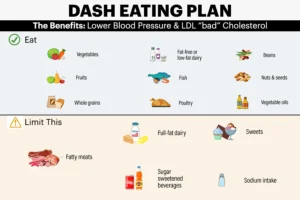
While adding beneficial foods is important, reducing harmful foods is equally essential. Foods high in saturated fats, such as butter, fatty cuts of meat, cheese, and full-fat dairy products, can raise LDL cholesterol levels significantly. Processed meats, fried foods, and fast food meals also contribute to unhealthy cholesterol buildup and increase the risk of heart disease.
Trans fats found in packaged baked goods, margarine, and ultra-processed snacks are particularly harmful because they both increase LDL and decrease HDL cholesterol. Reducing sugar intake and refined carbohydrates is also important, as they can indirectly affect cholesterol by contributing to weight gain and metabolic imbalance. Replacing these foods with cholesterol lowering foods creates a healthier dietary pattern.
Low Cholesterol Diet and Everyday Eating Habits
A low cholesterol diet focuses on whole, nutrient-dense foods that support heart health and overall wellness. The Mediterranean-style diet is widely recommended because it includes fruits, vegetables, legumes, fish, whole grains, and healthy fats like olive oil. This dietary pattern naturally supports lower LDL cholesterol levels and improved cardiovascular function over time.
Daily eating habits are just as important as food choices. Eating regular meals rich in fiber, controlling portion sizes, and avoiding late-night snacking can positively influence cholesterol levels. Consistency is key, and incorporating cholesterol lowering foods into everyday meals ensures long-term benefits rather than short-term improvements.
Natural Ways to Lower Cholesterol Effectively
Many people look for quick solutions to reduce cholesterol, but sustainable improvement comes from consistent lifestyle changes. While some improvements can be seen within a week of healthier eating, significant reductions in LDL cholesterol typically require several weeks or months of commitment to diet and exercise.
Physical activity plays a major role in improving cholesterol balance. Regular exercise such as walking, cycling, swimming, or strength training helps increase HDL cholesterol while reducing LDL levels. When combined with a diet rich in cholesterol lowering foods, these lifestyle changes work together to improve heart health naturally and effectively.
Medical Treatment and Cholesterol Management
In some cases, lifestyle changes alone may not be enough to control high cholesterol. Doctors may prescribe medications such as statins to help lower LDL cholesterol and reduce the risk of cardiovascular disease. These medications are often used when cholesterol levels remain high despite dietary improvements or when the individual is at high risk.
However, medication is most effective when combined with healthy lifestyle habits. Even individuals taking cholesterol-lowering drugs benefit greatly from consuming cholesterol lowering foods regularly. Ongoing medical supervision is important to ensure treatment effectiveness and to monitor any changes in cholesterol levels over time.
Long-Term Prevention and Heart Health Maintenance
Preventing high cholesterol requires long-term commitment to healthy living rather than short-term dietary changes. Regular cholesterol testing helps individuals track progress and understand how lifestyle choices impact their heart health. Monitoring cholesterol levels over time allows for early intervention and better disease prevention strategies.
Sustainable habits such as balanced nutrition, regular physical activity, stress management, and maintaining a healthy weight all contribute to long-term cardiovascular health. Including cholesterol lowering foods as a daily part of meals helps maintain stable cholesterol levels and reduces the risk of heart-related conditions throughout life.
Conclusion
Managing cholesterol effectively is a long-term process that requires consistent effort in both diet and lifestyle. Understanding how LDL and HDL cholesterol work helps individuals make informed choices that support heart health and overall well-being. A balanced approach is essential for sustainable results.
By regularly consuming cholesterol lowering foods, staying physically active, and maintaining healthy habits, individuals can significantly reduce their risk of heart disease. These changes not only improve cholesterol levels but also contribute to better energy, improved circulation, and long-term health protection.
You may also read: Exercise and Weight Management for Heart Health