Introduction to Blood Sugar Control and Why It Matters
Blood sugar plays a central role in how the body produces energy, supports brain function, and maintains overall metabolic balance. When glucose levels remain stable, the body operates efficiently, but when they fluctuate too much, it can lead to fatigue, long-term health complications, and chronic conditions like diabetes. This is why understanding blood sugar control tips is essential for anyone aiming to maintain better health and prevent future risks.
Modern lifestyles, often filled with processed foods, stress, and inactivity, have made blood sugar imbalance increasingly common. Learning practical blood sugar control tips helps individuals take proactive steps toward better wellness. Whether someone is already managing diabetes or simply wants to improve daily energy levels, maintaining stable glucose is a key foundation of long-term health.
Understanding Normal Blood Sugar Levels
Normal blood sugar levels generally fall between 70–99 mg/dL when fasting and under 140 mg/dL after meals. These values may vary slightly depending on individual health conditions, age, and medical guidance. Understanding these ranges is an important part of applying effective blood sugar control tips in everyday life, especially when trying to prevent spikes or sudden drops.
A proper understanding of a normal blood sugar levels chart allows individuals to track patterns and identify early warning signs of imbalance. Many people overlook subtle fluctuations until symptoms become serious. By consistently monitoring glucose levels and applying structured blood sugar control tips, it becomes easier to maintain long-term stability and reduce the risk of complications.
Causes of Blood Sugar Imbalance
Blood sugar imbalance can result from a combination of dietary habits, lifestyle choices, and underlying medical conditions. Excessive intake of sugary foods, refined carbohydrates, and processed meals is one of the most common causes of high glucose levels. Without proper blood sugar control tips, these habits can gradually lead to insulin resistance and long-term metabolic issues.
On the other hand, low blood sugar may occur due to skipping meals, excessive physical activity, or certain medications. Even individuals without diabetes can experience sudden drops in glucose. Understanding these causes is essential when applying blood sugar control tips, as prevention starts with identifying and correcting daily lifestyle patterns that disrupt normal glucose regulation.
Symptoms of High and Low Blood Sugar
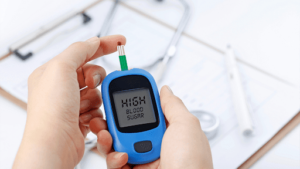
High blood sugar often presents symptoms such as increased thirst, frequent urination, fatigue, and blurred vision. These warning signs should not be ignored, as prolonged elevated glucose levels can damage vital organs over time. Applying early blood sugar control tips helps reduce these risks and supports healthier metabolic function.
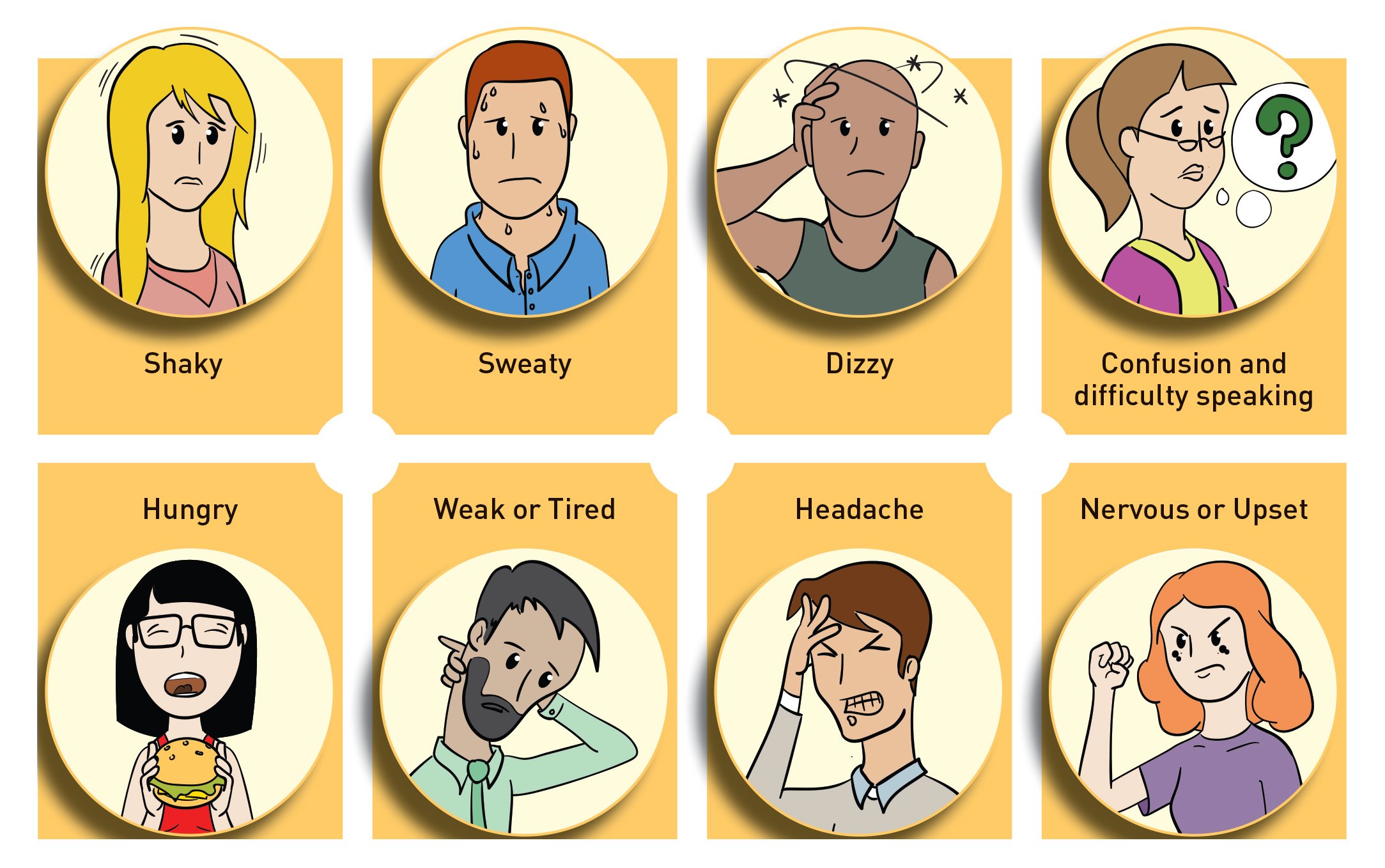
Low blood sugar symptoms include dizziness, sweating, confusion, shaking, and sudden hunger. In severe cases, it can lead to fainting or loss of consciousness if not treated quickly. Recognizing these symptoms early is a critical part of effective blood sugar control tips, ensuring timely action and preventing dangerous health complications.
Natural Blood Sugar Control Tips for Daily Life
One of the most effective ways to maintain healthy glucose levels is through natural lifestyle changes. Eating fiber-rich foods such as vegetables, whole grains, and legumes helps slow sugar absorption. Balanced meals that include protein and healthy fats are essential blood sugar control tips for maintaining steady energy throughout the day.
Regular physical activity also plays a significant role in improving insulin sensitivity and regulating glucose levels. Even simple habits like walking after meals can make a noticeable difference. Consistently applying blood sugar control tips such as hydration, portion control, and stress management creates a strong foundation for long-term metabolic health.
Immediate Ways to Reduce Blood Sugar Safely
When blood sugar rises suddenly, quick action is important to prevent complications. Drinking water helps flush excess glucose from the bloodstream, while light physical activity such as walking can encourage the body to use sugar for energy. These immediate blood sugar control tips are often effective for managing mild spikes safely.
However, if blood sugar remains extremely high, medical intervention may be necessary. It is important not to rely solely on home methods in severe cases. Understanding emergency blood sugar control tips ensures that individuals can respond appropriately and seek professional help when required for safe and effective management.
Monitoring and Long-Term Management Strategies
Regular monitoring is one of the most reliable ways to maintain stable glucose levels. Using a blood sugar monitor allows individuals to track fluctuations and understand how food, activity, and stress affect their body. This data-driven approach is a key part of modern blood sugar control tips for effective long-term management.
Long-term control also involves analyzing trends over time using a normal blood sugar levels chart. Continuous tracking helps identify patterns and make informed lifestyle adjustments. By consistently applying blood sugar control tips, individuals can reduce risks, improve overall health, and prevent sudden glucose-related complications.
Lifestyle Habits for Stable Blood Sugar
Healthy lifestyle habits play a crucial role in maintaining balanced glucose levels. Regular exercise, proper sleep, and stress management all contribute to better insulin function. These foundational blood sugar control tips support not only metabolic health but also overall physical and mental well-being.
Avoiding excessive sugar, maintaining consistent meal schedules, and staying hydrated are equally important. Small daily choices create long-term improvements in blood sugar stability. When combined with consistent blood sugar control tips, these habits form a powerful strategy for preventing both high and low glucose episodes effectively.
Conclusion
Maintaining stable blood sugar is not a one-time effort but a continuous lifestyle commitment. With proper awareness, healthy eating, and regular monitoring, individuals can significantly reduce the risk of complications and improve overall well-being. Applying consistent blood sugar control tips helps create long-term balance and better energy levels.
Ultimately, small but consistent actions can lead to meaningful improvements in health. By following practical blood sugar control tips, individuals can take control of their glucose levels naturally and safely, leading to a healthier and more active life over time.
You may also read: Silent Indicators of Poor Heart Health