Heart health warning signs are early indicators that your cardiovascular system may not be functioning properly. These signals often appear before serious conditions such as heart attacks, heart failure, or chronic heart disease develop. Many people overlook these early changes because they seem mild or unrelated, but recognising them early can make a major difference in prevention and treatment outcomes. Understanding these warning signs is essential for protecting long-term heart health and overall wellbeing.
Heart-related conditions often develop gradually, meaning the body sends subtle signals long before a major event occurs. These heart health warning signs can include fatigue, chest discomfort, or shortness of breath during normal activities. While these symptoms may seem harmless at first, they should always be taken seriously. Early awareness and timely medical evaluation significantly reduce risks and improve survival rates.
What Heart Health Means and Why It Is Important
Heart health refers to how efficiently your heart pumps blood, delivers oxygen, and supports every organ in the body. A strong and healthy heart ensures stable energy levels, proper circulation, and overall physical performance. When heart health declines, the body becomes more vulnerable to serious conditions such as stroke, heart attack, and chronic cardiovascular disease. Maintaining heart health is therefore essential for long-term vitality.
Monitoring heart health regularly through a heart health check or heart health screening helps detect hidden risks before they become severe. Conditions like high blood pressure and high cholesterol often develop silently, making routine checkups extremely important. When individuals understand their cardiovascular condition early, they can take preventive steps such as lifestyle changes, medication, or dietary improvements to protect heart function.
Early Heart Health Warning Signs You Should Never Ignore
One of the most important heart health warning signs is chest discomfort, which may feel like pressure, tightness, or heaviness in the chest area. This sensation can occur during physical activity or even at rest and should never be ignored. While not all chest pain is related to heart disease, it is one of the most common indicators that the heart may be under stress and requires immediate attention.
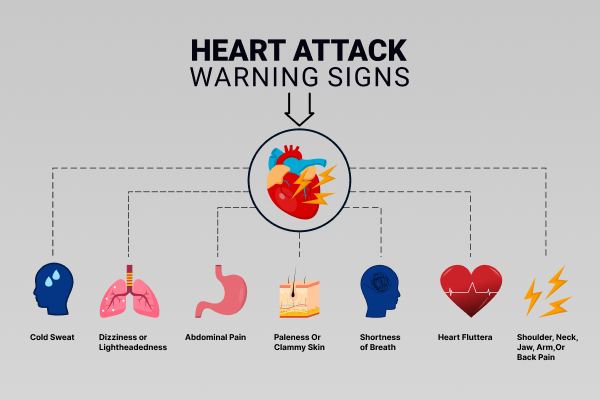
Another major warning sign includes shortness of breath, unusual fatigue, and irregular heartbeat. These symptoms often appear when the heart struggles to pump blood efficiently throughout the body. People may also experience dizziness or a fluttering sensation in the chest. Together, these heart health warning signs suggest that the cardiovascular system is not functioning optimally and should be evaluated by a healthcare professional as soon as possible.
Silent Indicators of Poor Heart Health
Not all heart conditions show immediate or obvious symptoms. Some develop silently over time, making them particularly dangerous. High blood pressure and high cholesterol are two major examples of silent conditions that can damage arteries and increase the risk of heart attacks without noticeable early symptoms. This is why routine monitoring is essential even when a person feels healthy.
Heart health warning signs can also vary between individuals, especially between men and women. In some cases, symptoms such as nausea, back pain, jaw discomfort, or unexplained fatigue may appear instead of typical chest pain. These subtle signals are often ignored or mistaken for other conditions, which delays diagnosis and increases health risks. Awareness of these silent indicators helps in early detection and prevention.
Risk Factors That Affect Heart Health
Several lifestyle and genetic factors influence heart health over time. Poor diet, lack of physical activity, smoking, and excessive alcohol consumption significantly increase the risk of cardiovascular disease. Obesity and diabetes further contribute to the strain on the heart, making it more difficult for the body to maintain healthy circulation and oxygen flow.
In addition to lifestyle choices, family history plays an important role in heart health. Individuals with a genetic predisposition to heart disease are at higher risk even if they maintain a healthy lifestyle. Chronic stress and poor sleep patterns also negatively affect heart function. Recognising these risk factors early allows individuals to make informed decisions to reduce long-term health complications.
Natural Ways to Improve Heart Health
Improving heart health begins with adopting a balanced and nutrient-rich diet. Foods such as fruits, vegetables, whole grains, nuts, and fatty fish provide essential nutrients that support cardiovascular function. These foods help reduce inflammation, regulate cholesterol levels, and improve overall blood circulation. A consistent healthy diet plays a powerful role in strengthening the heart over time.
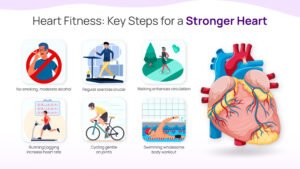
Physical activity is equally important for maintaining heart health. Regular exercise such as walking, swimming, cycling, or light cardio workouts improves blood flow and strengthens the heart muscle. Even moderate daily movement can significantly reduce the risk of heart disease. When combined with healthy eating habits, exercise becomes one of the most effective natural ways to improve cardiovascular performance.
Supplements, Vitamins, and Support for Heart Health
Heart health supplements are often used to support cardiovascular function, especially when dietary intake is insufficient. Common nutrients such as omega-3 fatty acids, magnesium, and CoQ10 are known to support heart rhythm, reduce inflammation, and improve energy production in heart cells. These supplements may contribute to overall cardiovascular wellness when used correctly.
However, supplements and heart health vitamins should always be used responsibly and under medical guidance. While natural heart health supplements and heart health tablets may provide additional support, they are not a replacement for a healthy lifestyle or prescribed treatment. A balanced approach combining nutrition, exercise, and professional advice is the most effective strategy for maintaining a healthy heart.
Monitoring and Checking Heart Health Regularly
Regular monitoring plays a critical role in identifying heart health warning signs before they become serious. Simple checks such as blood pressure measurement, cholesterol tests, and ECG screenings provide valuable insights into heart performance. These tests help detect hidden issues early, allowing for timely intervention and better long-term outcomes.
Understanding how to check heart health at home can also be helpful. Monitoring pulse rate, tracking energy levels, and observing unusual symptoms can provide early clues about cardiovascular changes. However, home monitoring should always be supported by professional heart health screening to ensure accurate diagnosis and appropriate treatment when necessary.
When Immediate Medical Attention Is Required
Certain heart health warning signs require urgent medical attention and should never be ignored. Severe chest pain, sudden shortness of breath, or loss of consciousness may indicate a heart attack or serious cardiovascular event. In such cases, immediate emergency care is essential to prevent life-threatening complications.
Delaying treatment during critical symptoms can significantly increase the risk of permanent heart damage. Recognising these emergency signs and acting quickly can save lives. It is always better to seek medical help immediately rather than wait for symptoms to worsen or resolve on their own.
Preventing Heart Disease Through Lifestyle Choices
Prevention is one of the most powerful tools in maintaining heart health. A healthy lifestyle that includes regular exercise, a balanced diet, stress management, and adequate sleep can significantly reduce the risk of heart disease. These habits support long-term cardiovascular strength and improve overall quality of life.
Avoiding harmful habits such as smoking and excessive alcohol consumption further protects heart function. Regular heart health checkups and awareness of heart health warning signs help individuals stay proactive about their wellbeing. Small daily improvements can lead to significant long-term benefits for heart health and overall vitality.
Conclusion: Protecting Your Heart for the Future
Heart health warning signs should never be ignored, as they often appear before serious cardiovascular conditions develop. Early recognition of symptoms such as chest discomfort, fatigue, or irregular heartbeat can make a life-saving difference. Understanding these signals empowers individuals to take timely action and seek medical support when needed.
Maintaining strong heart health requires a combination of awareness, prevention, and healthy lifestyle choices. Regular heart health screening, proper nutrition, physical activity, and stress management all contribute to a healthier heart. By staying informed and proactive, individuals can significantly reduce risks and ensure long-term cardiovascular wellbeing.
You may also read: Causes of Heart Disease