Introduction to Normal Blood Sugar Levels Guide
The normal blood sugar levels guide is an essential resource for understanding how glucose behaves in the human body and why maintaining balance is critical for long-term health. Blood sugar, also called blood glucose, is the primary energy source for your brain, muscles, and organs. When levels remain stable, the body functions efficiently, but when they fluctuate too much, it can lead to conditions like diabetes, fatigue, and metabolic disorders.
This normal blood sugar levels guide for 2026 provides a clear, updated explanation of healthy glucose ranges, including fasting, after-meal, and daily variations. It is designed to help individuals recognize normal patterns, understand medical thresholds, and make informed lifestyle choices that support stable blood sugar levels throughout life.
Understanding What Is a Normal Blood Sugar Level
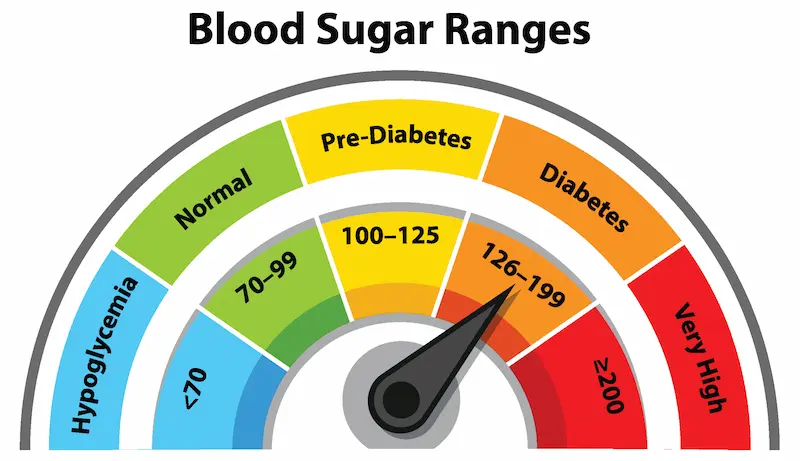
A normal blood sugar level refers to the amount of glucose present in your bloodstream at a specific time. According to the normal blood sugar levels guide, healthy adults typically maintain fasting levels between 70–99 mg/dL and post-meal levels below 140 mg/dL within two hours after eating. These ranges reflect how efficiently the body processes and uses glucose for energy.
The normal blood sugar levels guide also explains that blood sugar is influenced by diet, activity, stress, and hormonal balance. Small variations throughout the day are normal, but consistently high or low readings may indicate underlying health issues. Understanding these ranges helps individuals detect early warning signs before they develop into more serious conditions.
Normal Blood Sugar Levels Chart (2026 Overview)
The updated normal blood sugar levels guide includes a simplified chart that categorizes glucose readings into fasting, pre-meal, post-meal, and bedtime ranges. For most healthy adults, fasting levels should remain under 100 mg/dL, while levels between 100–125 mg/dL indicate prediabetes and 126 mg/dL or higher suggests diabetes.
This normal blood sugar levels guide also highlights that post-meal readings should ideally stay below 140 mg/dL within one to two hours after eating. Slight fluctuations are normal, but consistent spikes may indicate poor glucose regulation or insulin resistance. The chart helps users quickly interpret their results without confusion or medical complexity.
Normal Blood Sugar Levels by Age

Age plays a significant role in how the body regulates glucose. The normal blood sugar levels guide explains that younger adults often maintain tighter glucose control due to higher metabolic efficiency. As people age, insulin sensitivity may decrease, leading to slightly higher acceptable ranges in some cases.
For older adults, the normal blood sugar levels guide suggests that fasting levels up to 110–120 mg/dL may sometimes be considered acceptable depending on overall health. However, regular monitoring is still essential because aging increases the risk of type 2 diabetes and related complications if blood sugar is not well managed.
Fasting Blood Sugar Levels Explained
Fasting blood sugar is measured after at least eight hours without food or drink (except water). The normal blood sugar levels guide states that a healthy fasting range is typically between 70–99 mg/dL. This measurement is important because it shows how the body manages glucose without external food influence.
The normal blood sugar levels guide further explains that consistently elevated fasting levels may indicate insulin resistance or early-stage diabetes. Lifestyle factors such as poor sleep, high stress, or late-night eating can also affect fasting glucose readings, making consistent habits crucial for accurate results.
After Meal Blood Sugar and Daily Fluctuations
After eating, blood sugar naturally rises as the body converts food into energy. According to the normal blood sugar levels guide, healthy individuals should see their glucose levels return to below 140 mg/dL within one to two hours after meals. This reflects proper insulin response and glucose absorption.
The normal blood sugar levels guide also emphasizes that frequent or prolonged spikes after meals may signal poor dietary balance or reduced insulin sensitivity. Meals high in refined carbohydrates or sugar can cause sharp increases, while balanced meals with fiber, protein, and healthy fats help maintain stable levels.
Factors That Affect Blood Sugar Levels
Many internal and external factors influence glucose stability. The normal blood sugar levels guide highlights that diet, physical activity, stress levels, sleep quality, and hydration all play important roles in blood sugar regulation. Even minor changes in daily routine can impact glucose readings significantly.
Additionally, the normal blood sugar levels guide explains that medical conditions, medications, and hormonal changes can also affect blood sugar. For example, illness or emotional stress may temporarily raise glucose levels, while intense exercise or skipping meals may lower them unexpectedly.
How to Maintain Healthy Blood Sugar Levels
Maintaining stable glucose levels requires consistent lifestyle habits. The normal blood sugar levels guide recommends a balanced diet that includes fiber-rich foods, lean proteins, and healthy fats while limiting processed sugar and refined carbohydrates. These dietary choices help prevent sudden spikes and crashes in blood sugar.
The normal blood sugar levels guide also emphasizes the importance of regular physical activity, stress management, and adequate sleep. Even simple daily habits like walking after meals or staying hydrated can significantly improve glucose stability and reduce the risk of long-term metabolic issues.
Blood Sugar Testing and Monitoring Methods
Accurate monitoring is essential for understanding individual glucose patterns. The normal blood sugar levels guide includes several testing methods such as fasting blood sugar tests, random glucose tests, HbA1c tests, and oral glucose tolerance tests. Each method provides different insights into how the body manages sugar.
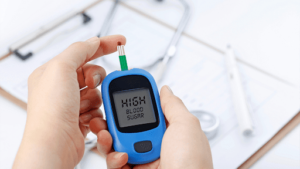
The normal blood sugar levels guide also supports the use of home glucose monitoring devices for real-time tracking. These tools help individuals observe daily fluctuations and make immediate lifestyle adjustments. Regular testing is especially important for those at risk of diabetes or already managing the condition.
Conclusion
The normal blood sugar levels guide provides a complete understanding of how glucose levels work in the body and why maintaining balance is essential for long-term health. From fasting ranges to post-meal responses, every aspect of blood sugar plays a role in overall well-being and energy management.
By following the insights in this normal blood sugar levels guide, individuals can take proactive steps toward healthier living. Balanced nutrition, regular exercise, stress control, and consistent monitoring all work together to maintain stable blood sugar levels and reduce the risk of future health complications.
You may also read: Foods That Help Stabilize Blood Sugar Quickly