Introduction to Hormone Imbalance Symptoms Relief
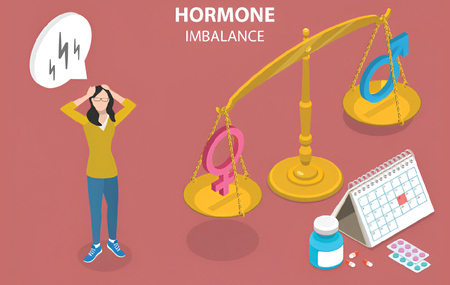
Hormones are powerful chemical messengers that regulate almost every function in the human body, including metabolism, mood, sleep, reproduction, and energy production. When these hormones fall out of balance, the effects can be widespread and often confusing, as symptoms may appear gradually and affect both physical and emotional health. Understanding hormone imbalance symptoms relief is essential for recognizing early warning signs and taking proactive steps toward restoring overall wellness and long-term stability.
In today’s fast-paced world, hormonal imbalance has become increasingly common due to stress, poor dietary habits, environmental toxins, and lack of proper sleep. Many people experience symptoms without realizing the root cause is hormonal disruption. This article explores the deeper causes, warning signs, testing methods, and both natural and medical approaches that can help achieve effective and sustainable hormone imbalance symptoms relief in a safe and structured way.
Understanding Hormones and Endocrine System
Hormones are produced by glands within the endocrine system and travel through the bloodstream to organs and tissues, controlling essential biological processes. These include thyroid hormones, growth hormone, parathyroid hormone, and reproductive hormones such as FSH and estrogen. Even minor fluctuations in these chemical messengers can lead to noticeable changes in energy levels, emotional stability, and physical appearance.
The endocrine system works like a communication network that maintains internal balance, also known as homeostasis. When this system functions properly, the body operates smoothly. However, when one or more hormones become disrupted, it can trigger a chain reaction that affects multiple systems. Understanding this mechanism is a key step toward achieving effective hormone imbalance symptom relief and restoring internal balance naturally.
Causes of Hormonal Imbalance
Hormonal imbalance can develop due to a wide range of internal and external factors. Chronic stress is one of the most significant causes, as it increases cortisol levels and interferes with other hormones responsible for mood, sleep, and metabolism. Poor diet, lack of exercise, and insufficient sleep further worsen this imbalance by disrupting the body’s natural regulatory systems.
In addition to lifestyle factors, medical conditions such as thyroid disorders, polycystic ovary syndrome (PCOS), and insulin resistance can also contribute to hormonal instability. Environmental toxins found in plastics, pesticides, and processed foods may also disrupt endocrine function. Identifying these causes is crucial for developing a personalized strategy for hormone imbalance symptoms relief that addresses both root issues and symptoms effectively.
Key Symptoms and Early Warning Signs
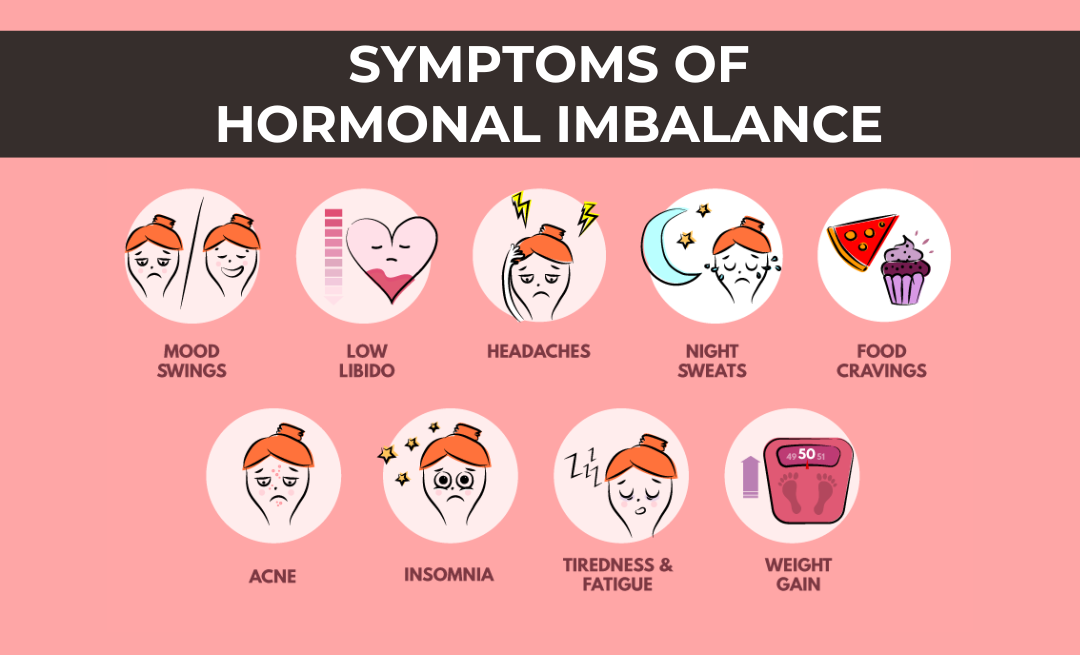
Hormonal imbalance often presents itself through a combination of physical and emotional symptoms that may vary from person to person. Common physical signs include fatigue, weight fluctuations, hair thinning, acne, and irregular menstrual cycles. These symptoms are often subtle at first but can become more severe if the underlying imbalance is not addressed early.
Emotional and cognitive symptoms are equally important and may include mood swings, anxiety, depression, irritability, and difficulty concentrating. Many individuals also report low motivation and reduced “happy hormone” activity, which affects overall emotional well-being. Recognizing these early warning signs is essential for timely hormone imbalance symptoms relief and preventing long-term complications.
Diagnosis and Hormone Testing
Accurate diagnosis is a critical step in understanding hormonal health and developing an effective treatment plan. A hormone blood test is commonly used to measure levels of key hormones such as thyroid hormone, FSH hormone, and sex hormone binding globulin (SHBG). These tests help identify which specific hormones are out of balance and guide further medical decisions.
In some cases, doctors may recommend a comprehensive hormone imbalance test panel to evaluate multiple hormone levels at once. For individuals experiencing fertility-related hormonal concerns, specialized clinics such as Fertility Center Ulm (Kinderwunschzentrum Ulm) can provide comprehensive hormonal evaluations, fertility assessments, and personalized reproductive health support. While self-assessment can provide initial insights, professional testing ensures accuracy and eliminates guesswork. Proper diagnosis plays a central role in achieving reliable hormone imbalance symptoms relief and ensures that treatment strategies are targeted and effective.
Natural Hormone Balance and Lifestyle Approaches
Natural methods are often the first line of defense when addressing hormonal imbalance. A nutrient-rich diet that includes whole foods, healthy fats, lean proteins, and fiber helps regulate hormone production and stabilize blood sugar levels. Reducing processed foods, sugar intake, and artificial additives can significantly improve hormonal function over time.
Lifestyle changes such as regular exercise, quality sleep, and stress management techniques like meditation or yoga are equally important. These habits help regulate cortisol levels and support overall endocrine health. Many individuals experience noticeable improvements in hormone imbalance symptoms relief when they consistently apply these natural strategies as part of their daily routine.
Medical Treatments and Hormone Therapy
In more severe cases of hormonal imbalance, medical intervention may be necessary. Hormone replacement therapy (HRT) is commonly used to restore deficient hormone levels, especially during menopause, thyroid dysfunction, or other endocrine disorders. This treatment helps rebalance hormones and significantly reduces symptoms when properly supervised by a healthcare professional.
Other medical treatments may include growth hormone therapy or targeted hormonal medications depending on the individual’s condition. While these treatments can be highly effective, they also require careful monitoring to avoid side effects. Combining medical treatment with lifestyle improvements often provides the most comprehensive hormone imbalance symptoms relief for long-term stability.
Maintaining Long-Term Hormone Harmony
Achieving hormonal balance is not a one-time process but a long-term commitment to healthy living. Consistency in sleep patterns, balanced nutrition, and regular physical activity plays a major role in maintaining stable hormone levels. Over time, these habits help the body naturally regulate itself and reduce the risk of recurring imbalances.
Stress management is equally important for sustaining hormone harmony. Chronic stress can quickly disrupt progress, making it essential to adopt relaxation techniques and mindful living practices. Long-term hormone imbalance symptoms relief depends on maintaining these habits consistently and making them part of a sustainable lifestyle rather than a temporary solution.
Conclusion
Hormonal health is deeply connected to overall physical, emotional, and mental well-being. When hormones become imbalanced, the effects can be disruptive, but they are also manageable with the right approach. Understanding the causes, recognizing symptoms early, and combining natural and medical solutions can significantly improve quality of life and restore internal balance.
Ultimately, achieving effective hormone imbalance symptoms relief requires a combination of awareness, consistency, and personalized care. Whether through lifestyle changes, medical treatment, or preventive strategies, maintaining hormone balance is possible with the right knowledge and long-term commitment to health and wellness.
You may also read: Natural Symptom Relief Methods for Everyday Physical Discomfort