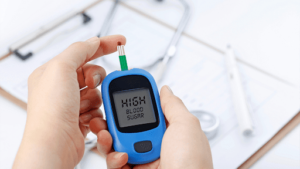
Early blood sugar control is one of the most effective ways to protect the body from long-term health complications linked to diabetes and insulin resistance. Blood sugar levels influence nearly every system in the body, including the heart, kidneys, nerves, brain, and immune system. When glucose levels remain consistently high, damage can slowly develop over time, often without obvious symptoms during the early stages. This is why many health experts encourage individuals to take action before serious complications begin to appear.
The importance of early blood sugar control has increased significantly as cases of prediabetes and type 2 diabetes continue to rise worldwide. Many people develop unhealthy glucose patterns because of poor diet choices, inactivity, stress, obesity, or family history. Managing blood sugar early allows the body to respond better to healthy lifestyle changes and medical treatment. It also helps reduce the risk of future complications such as heart disease, kidney damage, vision loss, and nerve disorders that may become difficult to reverse later in life.
Understanding How Blood Sugar Affects the Body
Blood sugar, also called blood glucose, is the primary source of energy used by the body’s cells. After eating carbohydrates, the body breaks them down into glucose and releases it into the bloodstream. Insulin then helps move glucose into the cells where it can be used for energy. When insulin does not work properly or the body cannot produce enough of it, blood sugar levels begin to rise above normal ranges.
Over time, high blood sugar can damage blood vessels and increase inflammation throughout the body. This damage affects important organs and reduces the body’s ability to function properly. Poor glucose management may lead to circulation problems, nerve pain, chronic fatigue, and weakened immunity. Early blood sugar control helps stabilize these processes before long-term harm develops, giving individuals a better chance of maintaining healthy organ function and overall wellness as they age.
Signs and Symptoms of Uncontrolled Blood Sugar
Many people ignore the early signs of elevated blood sugar because symptoms often appear gradually. Common warning signs include excessive thirst, frequent urination, blurry vision, unexplained fatigue, headaches, and increased hunger. Some individuals may also experience sudden mood changes or difficulty concentrating during periods of unstable glucose levels. Recognizing these symptoms early can help prevent serious complications from developing in the future.
As blood sugar remains uncontrolled, additional symptoms may appear and become more severe. Slow wound healing, numbness in the hands or feet, recurring infections, and unexplained weight changes are often signs that glucose levels have remained high for an extended period. In some cases, people may not realize they have blood sugar problems until a routine medical examination reveals abnormal glucose readings. This is why regular testing and early blood sugar control are essential for maintaining long-term health.
Healthy Eating Habits for Blood Sugar Stability
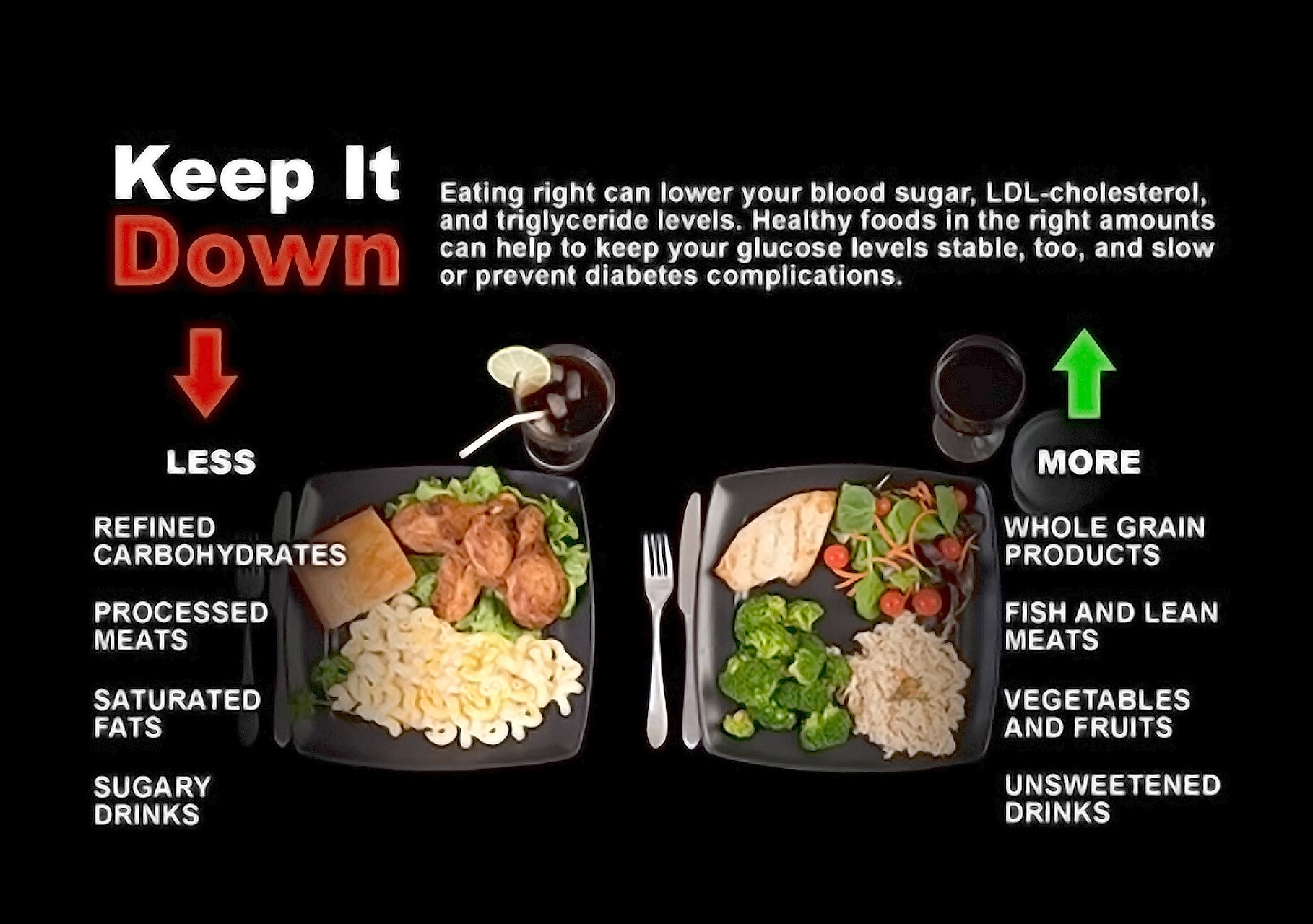
Nutrition plays a central role in maintaining stable glucose levels and supporting long-term metabolic health. A balanced diet rich in vegetables, whole grains, legumes, lean proteins, and healthy fats can help slow glucose absorption and improve insulin sensitivity. Fiber-rich foods are especially valuable because they reduce sudden spikes in blood sugar after meals while also supporting digestive health and appetite control.
Limiting sugary drinks, processed snacks, refined carbohydrates, and fast food is equally important for early blood sugar control. Foods high in added sugars can rapidly increase glucose levels and contribute to weight gain, inflammation, and insulin resistance. Replacing unhealthy snacks with nutrient-dense alternatives such as nuts, fruits, seeds, and yogurt can create more stable energy levels throughout the day. Consistent meal timing and portion control also help reduce fluctuations in blood sugar and support healthy eating habits over time.
The Importance of Exercise for Blood Sugar Control
Regular physical activity improves the body’s ability to use insulin effectively and helps lower excess glucose levels naturally. Exercise encourages muscles to absorb glucose from the bloodstream, which can immediately reduce blood sugar levels after activity. Walking, swimming, cycling, and strength training are all highly effective forms of movement for improving glucose management and overall cardiovascular health.
Long-term exercise habits also support weight management and reduce insulin resistance, both of which are closely connected to diabetes prevention. Even moderate physical activity performed consistently can produce noticeable health benefits. People who struggle with sedentary lifestyles may benefit from starting with simple habits such as walking after meals or stretching during work breaks. Early blood sugar control becomes easier to maintain when physical activity becomes a natural part of daily life instead of a temporary routine.
Medical Monitoring and Preventive Care
Routine medical checkups are essential for identifying blood sugar problems before complications become severe. Healthcare providers commonly use fasting glucose tests and HbA1c tests to evaluate how well the body regulates blood sugar over time. These tests can help detect prediabetes, insulin resistance, and diabetes during their earliest stages when treatment is often more effective.
Preventive care also gives individuals the opportunity to discuss risk factors and lifestyle improvements with healthcare professionals. People with obesity, high blood pressure, family history of diabetes, or sedentary habits may benefit from more frequent glucose monitoring. Early blood sugar control often requires a combination of medical guidance, dietary adjustments, physical activity, and stress management to achieve long-term success and maintain healthy glucose levels.
The Connection Between Stress, Sleep, and Blood Sugar
Stress has a powerful effect on blood sugar because stress hormones like cortisol can increase glucose production in the body. During periods of chronic stress, blood sugar levels may remain elevated for extended periods, making glucose management more difficult. Emotional stress can also lead to unhealthy coping behaviors such as overeating, lack of exercise, or poor sleep patterns that further contribute to unstable blood sugar.
Sleep quality is another major factor influencing glucose regulation and insulin sensitivity. Inadequate sleep may increase cravings for sugary foods and reduce the body’s ability to process glucose efficiently. Individuals who regularly experience sleep deprivation often face higher risks of obesity and metabolic disorders. Prioritizing quality sleep, maintaining a regular bedtime routine, and practicing relaxation techniques can significantly improve early blood sugar control and support long-term physical and mental health.
Common Myths About Blood Sugar Management
One common misconception is that blood sugar management only matters for people already diagnosed with diabetes. In reality, millions of individuals live with prediabetes or insulin resistance without realizing it. Early prevention is often far more effective than treating advanced health complications later. Healthy habits that support blood sugar stability can benefit nearly everyone, regardless of age or medical history.
Another myth is that natural remedies alone can completely replace professional medical treatment. While healthy foods, exercise, and lifestyle improvements are essential, they should not replace medical advice or prescribed therapies when necessary. Successful early blood sugar control usually involves a balanced approach that combines evidence-based medical care with sustainable lifestyle changes. Understanding these misconceptions helps people make informed decisions about their health and avoid dangerous misinformation.
Long-Term Benefits of Early Blood Sugar Control
Maintaining healthy glucose levels early in life can significantly reduce the risk of chronic diseases and improve quality of life. Individuals who prioritize early blood sugar control often experience better energy levels, healthier body weight, improved circulation, and stronger cardiovascular health. Stable blood sugar also supports mental clarity and emotional balance, helping people feel more productive and physically active throughout the day.
The long-term benefits extend beyond diabetes prevention alone. Healthy blood sugar management may also lower the likelihood of strokes, kidney disease, nerve damage, and vision complications associated with prolonged glucose imbalance. By making consistent lifestyle improvements and monitoring glucose levels regularly, individuals can protect their future health and maintain greater independence as they age. Early prevention remains one of the most effective strategies for achieving lasting wellness and reducing avoidable health risks.
Conclusion
Early blood sugar control is a powerful strategy for protecting long-term health and reducing the risk of serious complications linked to diabetes and metabolic disorders. Stable glucose levels support healthy organ function, better circulation, stronger immunity, and improved energy throughout daily life. Taking action during the early stages of blood sugar imbalance allows individuals to make meaningful improvements before permanent damage occurs.
A healthy lifestyle built on balanced nutrition, regular physical activity, quality sleep, stress management, and routine medical monitoring creates the strongest foundation for long-term blood sugar stability. Small daily improvements can produce significant long-term results when practiced consistently. By prioritizing early blood sugar control, individuals can improve their overall well-being, maintain healthier aging, and enjoy a better quality of life for years to come.
You may also read: Healthy Eating Habits That Support Blood Sugar Control