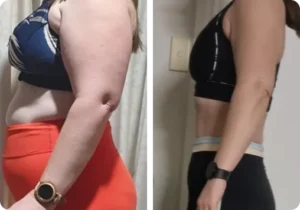
Portion control is one of the most effective ways to improve eating habits without following strict or complicated diets. Many people struggle with weight gain because modern food portions are much larger than the body actually needs. Restaurants, takeaway meals, and packaged foods often encourage overeating by serving oversized amounts that look normal over time. Learning how to manage portions can help reduce unnecessary calorie intake while still allowing you to enjoy your favourite foods in moderation.
Understanding the difference between portion size and serving size is important for building healthier habits. A serving size is a recommended amount listed on nutrition labels, while a portion is the amount you decide to eat. In many cases, personal portions are far larger than standard serving recommendations. Following smart portion control tips can improve digestion, support weight management, and create a healthier relationship with food without making meals feel restrictive or stressful.
Smaller Plates Can Make a Big Difference
One of the easiest portion control tips is switching to smaller plates and bowls during meals. Large dinner plates create the illusion that smaller servings are not enough, causing people to add extra food without realising it. A smaller plate naturally makes balanced portions appear fuller and more satisfying. This simple visual trick can help reduce calorie intake while still making meals feel enjoyable and complete.
Research into eating habits continues to show that visual cues strongly influence appetite and satisfaction. When food fills most of the plate, the brain often feels more content compared to seeing the same amount spread across a large dish. Smaller bowls are also useful for cereals, snacks, desserts, and pasta portions. These small environmental changes support healthier eating patterns without requiring complicated meal plans or strict calorie counting.
Understanding Proper Rice and Pasta Portions
Rice and pasta are common foods in many households, but they are often served in larger amounts than necessary. A healthy rice portion per person is usually around half a cup of cooked rice for balanced meals, though individual needs may vary depending on activity levels and overall diet. Measuring rice occasionally can help people understand realistic serving sizes and avoid consuming hidden calories through oversized portions.
Pasta portion size is another area where many people unintentionally overeat. Dry pasta expands significantly after cooking, making it easy to prepare too much food. A recommended spaghetti portion size is generally around 75 grams of dry pasta per person. Using measuring tools or portion guides can improve awareness while still allowing meals to remain satisfying. Portion control does not mean removing carbohydrates entirely but learning how to enjoy them in balanced amounts.
Eating Slowly Helps Control Hunger

Fast eating often leads to overeating because the body needs time to recognise feelings of fullness. One of the most practical portion control tips is slowing down during meals and paying attention to hunger signals. Chewing food properly, putting utensils down between bites, and taking short pauses can help the brain catch up with the stomach. This creates a stronger feeling of satisfaction before excessive calories are consumed.
Mindful eating also improves the overall dining experience by encouraging people to focus on taste, texture, and enjoyment instead of rushing through meals. Distractions such as mobile phones, television, or laptops can reduce awareness of portion sizes and increase mindless snacking. Creating a calm eating environment makes it easier to recognise natural hunger and fullness cues, leading to healthier eating habits over time.
The Plate Method for Balanced Meals
The plate method is a simple and practical strategy for creating balanced meals without complicated calculations. Half of the plate should contain vegetables or salad, one quarter should include lean protein such as chicken, fish, or beans, and the remaining quarter should contain carbohydrates like rice, potatoes, or pasta. This visual approach naturally improves portion balance and supports healthier nutrition.
Vegetables and high-fibre foods help increase fullness while reducing the need for oversized portions of calorie-dense foods. Protein also plays an important role in appetite control because it helps maintain satisfaction for longer periods after meals. Many nutrition professionals recommend the plate method because it is flexible, easy to follow, and suitable for different lifestyles, dietary preferences, and family meal routines.
Avoiding Mindless Snacking
Snacking directly from large packets or containers can quickly lead to overeating because it becomes difficult to track how much food has been consumed. Crisps, biscuits, sweets, and popcorn are common examples of foods that are often eaten mindlessly while watching television or working. Pre-portioning snacks into smaller bowls or containers is one of the simplest portion control tips for reducing unnecessary calorie intake throughout the day.
Planning snacks in advance also encourages healthier food choices and better awareness of eating habits. Fresh fruit, nuts, yoghurt, and whole-grain crackers can all be part of a balanced diet when eaten in appropriate portions. Healthy foods still contain calories, so moderation remains important. Creating sensible snack portions helps prevent constant grazing and supports steady energy levels between meals.
Drinking Water Before Meals
Drinking water before meals may help improve appetite control and reduce overeating. Many people confuse thirst with hunger, which can lead to unnecessary snacking or larger meal portions. Having a glass of water around twenty minutes before eating may help increase feelings of fullness and encourage more mindful food choices during meals. Proper hydration also supports digestion, energy levels, and overall health.
Water is especially helpful when combined with other healthy eating habits rather than being treated as a quick solution for weight loss. Sugary drinks and high-calorie beverages can add a surprising number of calories without providing much satisfaction. Replacing soft drinks with water during meals is one of the easiest ways to support portion control while reducing excess sugar intake at the same time.
Managing Restaurant and Takeaway Portions
Restaurant meals are often designed to appear generous, which usually means portions are much larger than recommended serving sizes. Fast food meals, takeaway dishes, and buffet-style dining can encourage overeating because people feel pressure to finish everything on the plate. Learning how to manage restaurant portions is an important part of maintaining healthy eating habits outside the home.
Simple strategies can make dining out healthier without removing enjoyment from the experience. Sharing meals, ordering smaller dishes, or packing half the meal away before eating are practical ways to reduce excessive calorie intake. Choosing grilled foods, vegetables, and balanced sides instead of oversized portions of chips or fried foods can also make a noticeable difference over time.
Portion Control Tools and Meal Preparation
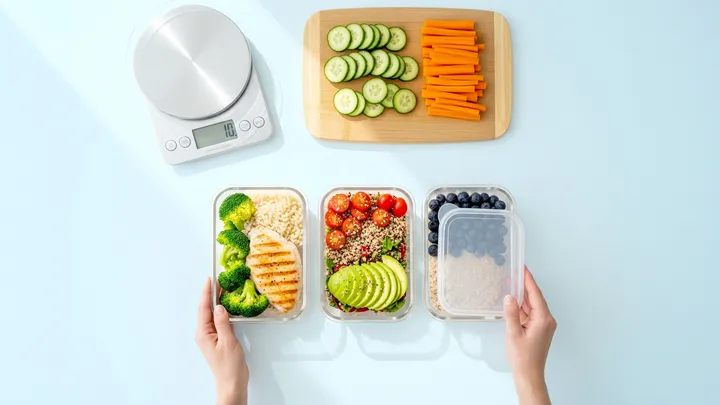
Portion control plates, measuring cups, and food scales can help improve awareness of serving sizes, especially for beginners. These tools are not meant to create obsession around food but to provide guidance while developing healthier habits. Many people underestimate how much cereal, rice, pasta, or snacks they actually consume, so measuring portions occasionally can offer valuable perspective.
Meal preparation is another useful strategy for portion management because it reduces impulsive food choices during busy days. Preparing balanced meals in advance makes it easier to control ingredients, serving sizes, and calorie intake. Pre-portioned meals also save time and support consistency, which is essential for maintaining long-term healthy eating habits and sustainable weight management goals.
Common Portion Control Mistakes
Skipping meals is one of the biggest mistakes people make when trying to lose weight. Long periods without food often increase hunger levels, making it more likely that large portions will be eaten later in the day. Regular balanced meals support better appetite control and help maintain stable energy levels throughout the day. Restrictive eating patterns often lead to cravings, emotional eating, and inconsistent habits.
Another common mistake is assuming that healthy foods can be eaten without limits. Foods such as nuts, dried fruit, smoothies, and healthy snacks still contain calories that can add up quickly when portions become too large. Portion control is about balance rather than perfection. Understanding realistic serving sizes allows people to enjoy a wide variety of foods while maintaining healthier eating habits.
Building Long-Term Healthy Habits
Successful weight management is rarely about short-term diets or extreme restrictions. Small, consistent improvements in eating habits usually produce better long-term results than dramatic changes that are difficult to maintain. Following practical portion control tips every day can gradually improve awareness, reduce overeating, and create sustainable routines that fit naturally into daily life.
Healthy eating should feel balanced and realistic rather than stressful or overly controlled. Enjoying favourite foods occasionally is still possible when portion sizes are managed properly. By focusing on consistency, mindful eating, and balanced meals, people can create healthier lifestyles that support long-term wellbeing while still making food enjoyable and satisfying.
You may also read: Foods That Help With Healthy Weight Loss