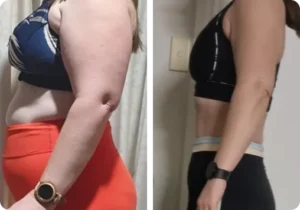
Clean eating for weight loss has become one of the most effective and sustainable ways to improve overall health while reducing excess body fat naturally. Unlike restrictive diets that focus only on cutting calories, clean eating encourages people to consume fresh, minimally processed foods filled with nutrients. This approach supports better digestion, stable energy levels, and healthier eating habits that are easier to maintain in everyday life. Instead of relying on temporary diet trends, clean eating focuses on long-term wellness and balance.
Many people struggle with weight gain because modern diets are heavily filled with processed snacks, sugary drinks, and fast food options that contain high amounts of sodium, unhealthy fats, and artificial ingredients. Clean eating helps remove these unnecessary foods and replaces them with nutrient-rich alternatives that nourish the body properly. When people consistently choose healthier meals, they often notice improvements not only in weight management but also in mood, sleep quality, and overall physical performance.
What Clean Eating Really Means
Clean eating does not mean starving yourself or avoiding every enjoyable food. The idea behind clean eating is simple: choose whole foods that are as close to their natural form as possible. Fresh fruits, vegetables, lean proteins, healthy fats, whole grains, and natural ingredients become the foundation of daily meals. Highly processed foods with long ingredient lists, added sugars, and preservatives are reduced to improve overall health and support healthy weight loss.
One reason clean eating for weight loss works so effectively is because whole foods naturally help control hunger levels. Foods high in fiber and protein digest more slowly, helping people stay full for longer periods throughout the day. This reduces unnecessary snacking and emotional eating habits that often lead to excess calorie intake. Clean eating is not about perfection; it is about creating a healthier relationship with food while making smarter daily choices.
How Clean Eating Supports Healthy Weight Loss
The body responds positively when it receives proper nutrients from clean and balanced meals. Clean eating for weight loss works because it reduces empty calories while improving the quality of nutrition consumed each day. Processed foods are often high in sugar and unhealthy fats but low in important vitamins and minerals. Replacing these foods with healthier alternatives can help the body burn fat more efficiently while maintaining steady energy levels.
Another major advantage of clean eating is its ability to reduce cravings and improve appetite control. Highly processed foods may create sudden blood sugar spikes followed by energy crashes that increase hunger and overeating. Whole foods provide more stable energy and support better metabolism throughout the day. As a result, people often experience gradual and sustainable fat loss without feeling constantly hungry or deprived.
Best Foods to Include in a Clean Eating Plan

Fresh vegetables are one of the most important parts of clean eating for weight loss because they are low in calories and rich in nutrients. Leafy greens, broccoli, carrots, cucumbers, and bell peppers provide fiber that supports digestion while helping people feel satisfied after meals. Fruits such as berries, apples, oranges, and bananas also provide natural sweetness and essential vitamins without the excessive sugar found in processed snacks and desserts.
Lean protein sources are equally important because they help preserve muscle while promoting fullness. Chicken breast, fish, eggs, beans, lentils, Greek yogurt, and tofu are excellent choices for balanced meals. Healthy fats from avocados, olive oil, nuts, and seeds also play an important role in supporting heart health and reducing hunger. Combining these foods into balanced meals creates a sustainable eating pattern that supports long-term weight management.
Foods to Avoid for Better Results
Although clean eating allows flexibility, reducing certain foods can significantly improve weight loss progress. Sugary beverages, packaged snacks, fried foods, and highly processed meals often contain excessive calories and artificial ingredients that offer very little nutritional value. These foods can increase cravings, slow digestion, and contribute to weight gain over time. Replacing them with healthier alternatives helps create better eating habits without extreme restrictions.
Refined carbohydrates such as white bread, pastries, sugary cereals, and processed desserts may also interfere with healthy weight management. These foods digest quickly and often leave people feeling hungry again shortly after eating. Choosing whole-grain alternatives like oats, quinoa, and brown rice provides more fiber and nutrients that support energy and fullness. Small dietary improvements made consistently often produce the most noticeable long-term results.
Meal Planning and Healthy Eating Habits
Meal planning is one of the most practical ways to stay consistent with clean eating for weight loss. Preparing meals in advance reduces the temptation to rely on fast food or unhealthy convenience meals during busy days. Planning balanced breakfasts, lunches, dinners, and snacks can help maintain portion control while ensuring the body receives proper nutrition throughout the week.
Healthy eating habits also include mindful eating and paying attention to hunger signals. Eating slowly, drinking enough water, and avoiding distractions during meals can improve digestion and prevent overeating. Consistency matters more than perfection when building a healthier lifestyle. Even small habits, such as cooking more meals at home or adding extra vegetables to daily meals, can create meaningful improvements over time.
Common Mistakes Beginners Should Avoid
Many beginners assume that eating less food automatically leads to faster weight loss. However, extremely low-calorie diets may slow metabolism, increase cravings, and reduce energy levels. Clean eating for weight loss should focus on nourishment and balance rather than severe restriction. The goal is to create healthy habits that are realistic and sustainable for long-term success.
Another common mistake is becoming overly strict with food choices. Labeling foods as completely “good” or “bad” may create unnecessary stress and unhealthy eating behaviors. In some cases, excessive restriction can contribute to binge eating or emotional eating patterns. A flexible approach that allows occasional treats while maintaining healthy daily habits is often more effective and easier to maintain over time.
Additional Health Benefits of Clean Eating
While many people start clean eating for weight loss, the benefits extend far beyond physical appearance. A diet rich in whole foods may improve digestion, reduce bloating after eating, and support better gut health. Foods high in fiber and natural nutrients help the digestive system function more efficiently while reducing discomfort caused by heavily processed meals.
Clean eating may also support mental clarity and emotional well-being. Balanced meals help stabilize blood sugar levels, which can positively affect mood and energy throughout the day. Many individuals notice improved concentration, better sleep quality, and reduced fatigue after consistently following healthier eating habits. These benefits make clean eating a valuable lifestyle choice for overall wellness, not just weight management.
Staying Consistent With Clean Eating
Consistency is one of the most important factors in achieving lasting success with clean eating for weight loss. People often make the mistake of expecting immediate results, but healthy weight loss takes time and patience. Focusing on gradual progress instead of quick fixes helps create sustainable habits that are easier to maintain in the long run. Small improvements made daily often produce better results than drastic changes that are difficult to follow.
Creating a realistic routine can make clean eating feel more manageable and enjoyable. Shopping for healthy ingredients, trying simple recipes, and preparing meals ahead of time can reduce stress around food choices. Physical activity, quality sleep, and stress management also support healthy weight loss efforts. When healthy habits become part of a daily lifestyle, maintaining results becomes much easier and more natural.
Conclusion
Clean eating for weight loss is a practical and sustainable approach that focuses on improving both nutrition and overall health. By choosing whole foods and reducing processed ingredients, people can naturally support fat loss while increasing energy and improving daily well-being. Unlike temporary fad diets, clean eating encourages long-term habits that promote lasting results without unnecessary restrictions or unhealthy extremes.
The journey toward healthier eating does not require perfection. Simple changes such as eating more vegetables, drinking more water, reducing sugary snacks, and preparing meals at home can create significant improvements over time. With consistency, patience, and balanced choices, clean eating can become a powerful lifestyle that supports healthy weight management and better overall quality of life.
You may also read: Low Calorie Breakfast Ideas for a Better Start