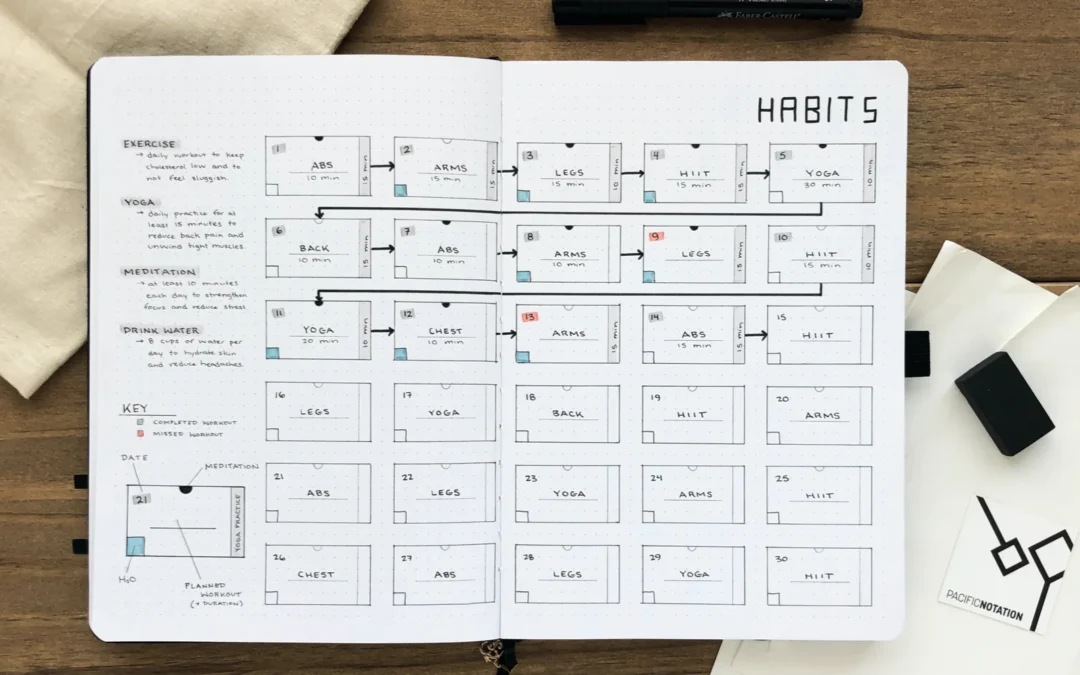
Building positive habits is one of the most effective ways to improve productivity, health, finances, and overall well-being. However, creating a new habit is often easier than maintaining it. Many people start with enthusiasm, only to lose momentum after a few days or weeks. This is where habit tracking becomes valuable. A habit tracker provides a simple way to monitor progress, stay accountable, and identify patterns that influence success or failure.
The best habit tracker tips focus on consistency rather than perfection. A well-designed tracking system helps you stay committed to your goals while making progress visible. Whether you use a paper journal, a planner, or a digital app, the principles behind successful habit tracking remain the same. By understanding how habits are formed and how tracking supports behavior change, you can build routines that last for years rather than weeks.
Understanding Habit Tracking
Habit tracking is the process of recording whether you completed a specific behavior during a set period of time. It may involve checking a box, marking a calendar, or updating an app. While the process appears simple, its impact can be significant because it creates awareness of daily actions. Many people underestimate how much their habits influence long-term outcomes until they begin tracking them consistently.
One reason habit tracking works so well is that it provides immediate feedback. Goals often take months to achieve, but tracking allows you to celebrate small victories along the way. Seeing a chain of completed actions creates motivation and reinforces positive behavior. This is why many experts recommend using habit tracker tips that focus on making progress visible and easy to measure.
Why People Struggle to Maintain New Habits
One of the most common reasons people fail to build lasting habits is that they try to change too much at once. It is tempting to create a long list of goals and track every aspect of life simultaneously. However, this approach often leads to overwhelm and burnout. When a tracking system becomes too complicated, it is more likely to be abandoned altogether.
Another challenge is relying too heavily on motivation. Motivation naturally rises and falls, making it an unreliable foundation for long-term success. Effective habit tracker tips emphasize systems rather than feelings. When a habit is connected to a routine and tracked consistently, it becomes easier to continue even on days when motivation is low. This shift from motivation to consistency is what helps habits become permanent.
Habit Tracker Tips That Actually Work

The most effective habit tracker tips begin with simplicity. Start by choosing one to three habits that will have the greatest impact on your goals. Focusing on a small number of behaviors increases the likelihood of success and prevents your tracker from becoming overwhelming. Once these habits become part of your routine, additional habits can be introduced gradually.
Another important strategy is making habits specific and measurable. Instead of tracking broad goals such as “exercise more” or “eat healthier,” define clear actions like “walk for 20 minutes” or “eat one serving of vegetables with lunch.” Specific habits are easier to track and provide clear evidence of progress. This clarity reduces confusion and helps maintain momentum over time.
Creating a Habit Tracking System That Lasts
A sustainable habit tracking system should fit naturally into your daily life. Many people make the mistake of choosing complex systems with numerous categories and tracking metrics. While these systems may look impressive initially, they often become difficult to maintain. A simple tracker that can be updated in less than a minute is usually more effective than a detailed tracker that requires significant effort.
Visibility also plays an important role in long-term success. Your tracker should be placed where you can easily see it every day. If you use a notebook, keep it on your desk or beside your bed. If you use a digital app, place it on your phone’s home screen. These visual reminders encourage consistency and reduce the chances of forgetting to record your progress.
The Power of Small Wins
Many people believe that dramatic changes are necessary to achieve meaningful results. In reality, small actions performed consistently often create the biggest transformation. Reading a few pages each day, taking a short walk, or drinking an extra glass of water may seem insignificant, but these behaviors compound over time. Habit tracking highlights these small victories and reinforces the value of consistency.
Small wins also build confidence. Each completed habit serves as evidence that you can follow through on commitments to yourself. This growing confidence makes it easier to tackle larger goals in the future. Among all habit tracker tips, focusing on small, repeatable actions is one of the most effective methods for creating lasting change.
Using Habit Stacking to Improve Consistency
Habit stacking is a powerful technique that involves linking a new habit to an existing routine. Instead of relying on memory alone, you use a current behavior as a trigger for the new one. For example, you might decide to review your habit tracker immediately after drinking your morning coffee or spend five minutes reading after brushing your teeth.
This method works because existing habits already have strong neural connections. By attaching a new behavior to something you do automatically, you reduce the effort required to remember it. Habit stacking is frequently included in expert habit tracker tips because it simplifies behavior change and increases consistency without requiring additional motivation.
Common Habit Tracking Mistakes to Avoid
One major mistake is treating a missed day as a failure. Everyone experiences interruptions, unexpected events, and periods of lower motivation. Missing a single day does not erase previous progress. What matters most is returning to the habit as quickly as possible. The principle of never missing twice can prevent a temporary setback from becoming a long-term problem.
Another common mistake is tracking habits that do not align with meaningful goals. Some people become so focused on filling in boxes that they forget why they started tracking in the first place. Every habit on your tracker should support a larger objective. This connection creates purpose and makes the tracking process more rewarding and sustainable.
Reviewing and Improving Your Progress
Tracking habits without reviewing the results limits the effectiveness of the process. A weekly review allows you to identify patterns, recognize obstacles, and celebrate achievements. During this review, consider which habits were easiest to complete, which were skipped most often, and what factors influenced your performance.
Regular reviews also create opportunities for improvement. If a habit consistently feels difficult, consider reducing its size or changing the time you perform it. The most successful people view their habit tracker as a flexible tool rather than a rigid set of rules. Adapting your system over time ensures it continues to support your evolving goals and lifestyle.
Choosing Between Digital and Paper Habit Trackers
Digital habit trackers offer convenience, reminders, and progress analytics. They are ideal for people who spend much of their day using smartphones or computers. Automated notifications can help maintain consistency, while charts and statistics provide valuable insights into long-term performance.
Paper habit trackers offer a different set of advantages. Writing by hand creates a stronger sense of engagement and mindfulness for many users. Physical trackers also reduce screen time and provide a tangible record of progress. The best choice depends on personal preference, but the most effective system is always the one you will use consistently.
Conclusion
Building lasting habits does not require extreme discipline or complicated systems. Success comes from creating a simple process that encourages consistent action over time. By focusing on a few meaningful habits, tracking them regularly, and reviewing your progress, you can develop routines that support your personal and professional goals.
The most valuable habit tracker tips are often the simplest. Start small, make habits specific, keep your tracking system visible, and focus on progress rather than perfection. When these principles are applied consistently, habit tracking becomes more than a productivity tool—it becomes a practical framework for long-term growth and self-improvement.
You may also read: Common Challenges When Building Healthy Habits